Přepnout na tisk
 Zobrazit více







































 U děl nebo reprodukcí, u nichž je jakákoliv strana větší než 105 cm (přibližně 41 palců), bude rám dodán jako sestava v rozloženém stavu. Tato metoda zajišťuje bezpečné doručení a chrání dílo před poškozením během přepravy.


A Window into Ottoman Grandeur: The Seated Scribe
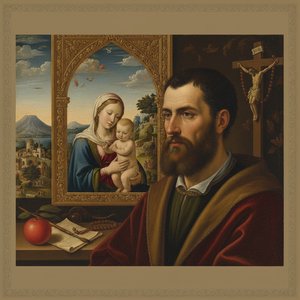
Gentile da Fabriano’s “A Seated Scribe” is more than just a portrait; it's a meticulously crafted window into the vibrant world of 15th-century Ottoman society. Painted around 1480, this exquisite work exemplifies the peak of the International Gothic style – a period renowned for its opulent detail, refined elegance, and profound sense of realism. The painting depicts a man immersed in his craft, a scribe diligently recording knowledge upon parchment, radiating an aura of authority and intellectual pursuit. The scene immediately transports us to a time of burgeoning scholarship and artistic patronage within the Ottoman Empire, a realm where literacy was highly valued and calligraphy held immense cultural significance.
At first glance, the composition is strikingly centered, drawing the viewer’s eye directly to the figure of the scribe. He occupies nearly the entire frame, his posture conveying both formality and intense concentration. The artist masterfully employs a slightly elevated viewpoint, as if observing him from a position of respect – a subtle gesture that elevates the subject beyond a mere depiction and imbues him with a sense of importance. The background, far from being merely decorative, is a carefully orchestrated tapestry of floral motifs and intricate calligraphic inscriptions, reflecting the scribe’s role as a guardian of knowledge and tradition within his community.
A Masterclass in Persian Miniature Technique
Da Fabriano's skill lies not just in capturing likeness but in executing a remarkably detailed and layered technique. The painting is executed in the style of Persian miniature painting, a method characterized by its painstaking precision, vibrant colors, and flattened perspective. Each element – from the folds of the scribe’s voluminous robe to the delicate quill pen held in his hand – is rendered with an astonishing level of detail. This meticulous approach creates a sense of depth and texture that invites close examination, revealing the artist's mastery of layering thin glazes of egg tempera upon a wooden panel.
The use of color is particularly noteworthy. The palette is rich and luminous, dominated by deep purples, vibrant reds, and shimmering golds – colors associated with royalty, wealth, and spiritual significance in Ottoman culture. The artist skillfully employs light and shadow to sculpt the figure’s form, creating a sense of three-dimensionality that belies the painting's flattened perspective. The subtle gradations of color and tone contribute significantly to the overall sense of realism and immediacy.
Symbolism and Cultural Significance
Beyond its technical brilliance, “A Seated Scribe” is laden with symbolic meaning. The scribe himself represents a cornerstone of Ottoman society – a keeper of knowledge, a recorder of history, and an embodiment of intellectual pursuits. His attire—the turban, the elaborate robe adorned with gold patterns, and the purple sash—underscores his elevated status and connection to the ruling elite. The open parchment before him symbolizes the transmission of wisdom and the continuity of tradition.
Furthermore, the inclusion of calligraphic inscriptions in the background reinforces the scribe’s role as a conduit between the material world and the realm of ideas. These inscriptions likely contain excerpts from religious texts or classical literature, highlighting the importance of learning and scholarship within Ottoman society. The very act of writing itself is imbued with spiritual significance, representing a connection to the divine and a commitment to preserving cultural heritage.
A Timeless Legacy: Reproduction and Artistic Inspiration
Created by the renowned Italian master Gentile da Fabriano in 1480, “A Seated Scribe” stands as a testament to the enduring power of art to capture both the beauty and complexity of human experience. Today, through meticulously crafted reproductions, this remarkable painting can be brought into homes and galleries around the world, offering a glimpse into the artistic traditions and cultural values of the Ottoman Empire. Its intricate detail, vibrant colors, and profound symbolism continue to inspire artists and collectors alike, ensuring that the legacy of Gentile da Fabriano endures for generations to come.
Otázky a odpovědi
Co zachycuje dílo „A Seated Scribe“ od Gentile Da Fabriano a jakou náladu vyvolává?
„A Seated Scribe“ od Gentile Da Fabriano spojuje ottoman culture, calligraphy art, portraiture study, miniature painting, religious symbolism, eastern influence, manuscript illumination s Elegant atmosférou.
Jaký je poměr stran díla „A Seated Scribe“ od Gentile Da Fabriano a jaké jsou jeho rozměry?
Formát díla „A Seated Scribe“ je Portrait a originál měří 14 x 18 cm. Obě informace jsou užitečné při plánování reprodukce.
Jak si mohu prohlédnout náhled reprodukce „A Seated Scribe“ od Gentile Da Fabriano?
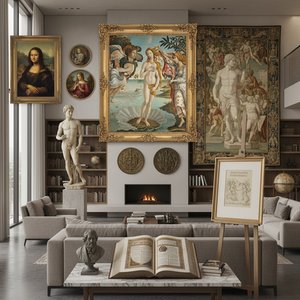
Chcete-li si prohlédnout náhled reprodukce díla „A Seated Scribe“ od Gentile Da Fabriano, otevřete stránku Náhled v prostoru tohoto díla.
 Náhled v interiéru
 Sdílet
 Sdílet
 Podrobnosti o díle
 Průvodce

 Stáhnout
 Podobné položky
 Rentgenové snímky
 Slideshow
 Otázky a odpovědi
 Statistiky