
 Zobrazit v interiéru
 Odeslat
 Sdílet
 Podrobnosti
 Průvodce

 Stáhnout obrázek
 Podobné kousky
 Rentgenové snímky
 Slideshow
 Statistiky
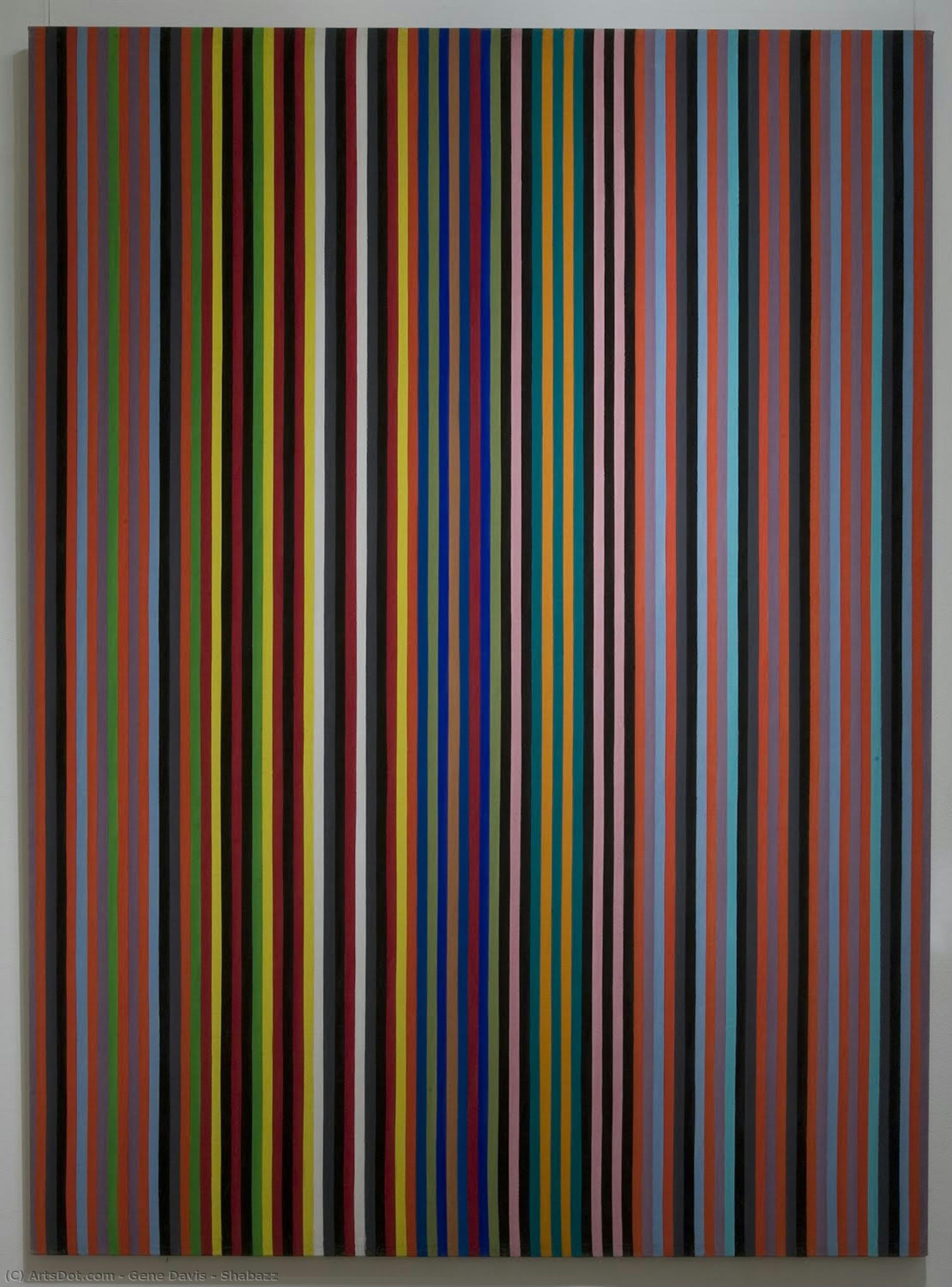
Shabazz
 Acrylic On Canvas
- WallArt
- Color Field Painting
 Modern
 299.0 x 220.0 cm
 Chrysler Museum of Art
 Přečíst si více
Zakupte si digitální obraz ve vysokém rozlišení a vylepšeném provedení, který nabízí mnohem vyšší kvalitu než online náhled.
Každý soubor je pečlivě připraven našimi specialisty s využitím pokročilých nástrojů a odborné manuální retuše. Zajišťujeme, aby každý obraz disponoval výjimečnou ostrostí, přesnou barevnou věrností a jemnými detaily.
Finální soubor vám bude do 72 hodin zaslán e-mailem, optimalizovaný pro okamžité použití v profesionálním, redakčním i tiskovém prostředí. Nabízíme stejnou kvalitu, které důvěřují špičková designová studia, nakladatelství i galerie.
Digitální obrazy
Stáhněte si soubor ve vysokém rozlišení pro osobní prohlížení, tisk a kreativní projekty. ( Přepnout na tiskové verze Objednat ručně malovanou reprodukci)
Součást každé objednávky digitálního obrazu
Exponenciální digitální doručení, zaručené
Když si vyberete OriginalUniqueArt.com, nezískáváte pouze obrázek – získáváte digitální umělecké dílo s profesionálně vylepšenými detaily, zpracované s precizností a podpořené zárukou za spokojenost. Zde je vše, co vaše objednávka automaticky obsahuje:

Bleskové doručení e-mailem
Váš digitální obraz ve vysokém rozlišení vám bude zaslán e-mailem do 72 hodin od objednávky – připraven k okamžitému použití.

Digitální soubor s podporou AI
Vaše umělecké dílo je profesionálně optimalizováno pomocí pokročilých nástrojů umělé inteligence a manuální úpravy, což zajišťuje maximální úroveň detailu, ostrosti a přesnosti barev.

Doživotní bezplatné znovuodeslání
Soubor jste omylem smazali nebo ztratili? Žádný problém – kdykoliv vám ho znovu zašleme zcela zdarma.

Bez poplatků za dovoz – navždy
Užijte si své umělecké dílo okamžitě bez celních poplatků, daní nebo nákladů na dopravu – digitální stažení je vždy bez daňových povinností.

Záruka přesnosti barev
Díky profesionálním nástrojům a správě barev zajišťujeme, aby váš digitální obraz odrážel původní barvy co nejvěrněji.

100dená záruka spokojenosti
Pokud nebudete s digitálním obrázkem spokojeni, provedeme jeho revizi nebo vám vrátíme 100% platby do 100 dnů – bez jakýchkoliv dotazů.

100% záruka vrácení peněz
Nespokojeni? Získejte plnou náhradu peněz do 100 dnů od obdržení digitálního souboru – bez zbytečných dotazů.

Slevy při hromadných objednávkách
Při koupi 3 obrazů ušetříte 10% – Při koupi 5 obrazů ušetříte 15% – Při koupi 10+ obrazů ušetříte 20%. Ideální pro kreativní projekty, galerie a agentury.
A Symphony of Color and Rhythm
In the vast landscape of mid-century abstraction, few works capture the rhythmic pulse of modern life as vibrantly as Shabazz by the American master Gene Davis. This monumental canvas, measuring an imposing 299 x 220 cm, serves as a breathtaking testament to the power of the Color Field movement. At first glance, the viewer is met with a mesmerizing cascade of vertical stripes, a signature technique that defines Davis’s contribution to the Washington Color School. The painting is not merely a collection of lines; it is an immersive experience where hues of deep blue, sun-drenched yellow, fiery red, and lush green dance in a continuous, optical loop. Each stripe acts as a melodic note, contributing to a visual symphony that seems to vibrate against the canvas, creating a sense of movement that defies the stillness of the medium.
The technique employed in Shabazz showcases Davis’s unparalleled ability to manipulate acrylic paint to achieve both depth and luminosity. Through the precise application of color, he creates an optical illusion where the boundaries between individual stripes begin to blur, suggesting a continuous flow of energy that extends far beyond the physical edges of the frame. This interplay of light and pigment transforms the flat surface into a rhythmic, breathing entity. For the discerning collector or interior designer, this piece offers more than just decoration; it provides a focal point of profound kinetic energy. The way the colors interact—sometimes clashing with bold intensity and other times harmonizing in soft transitions—allows the artwork to shift its mood depending on the lighting and the surrounding environment, making it a versatile masterpiece for sophisticated modern interiors.
Historical Resonance and Emotional Depth
To understand Shabazz, one must look toward the historical context of the 1960s and 70s, an era defined by social transformation and the breaking of traditional boundaries. As a pioneer of the Washington Color School, Gene Davis moved away from the heavy, gestural brushwork of Abstract Expressionism, opting instead for a cleaner, more structured approach to abstraction. The title itself, Shabazz, carries a weight of cultural significance, evoking themes of identity and strength that were prevalent in the zeitim of his creation. While the painting remains non-representational, the choice of such a powerful name suggests a deeper layer of symbolism, inviting the viewer to find their own connection between the structured rhythm of the stripes and the complex, layered textures of human experience.
The emotional impact of this work lies in its ability to evoke both tranquility and excitement. There is a meditative quality found in the repetition of the vertical lines, which can ground a room with a sense of order and architectural stability. Yet, the sheer vibrancy of the palette prevents the work from ever feeling static; instead, it injects a dose of pure, unadulterated joy into any space it inhabits. For those seeking to curate an atmosphere of inspiration and intellectual curiosity, a high-quality reproduction of Shabazz offers an opportunity to possess a fragment of art history. It is a piece that demands attention, rewards close inspection, and continues to resonate with the timeless human desire for beauty, rhythm, and light.
Otázky a odpovědi
Existuje k dílu „Shabazz“ od Gene Davis informační list pro studenty?
Průvodce k dílu "Shabazz" je stránka Průvodce pro dané umělecké dílo – tiskatelný informační list, který zobrazuje dílo spolu s jeho popiskem, údaji o autorství a identifikační tabulkou (umělec, data, technika, původní rozměry, sbírka).
Lze dílo „Shabazz“ od Gene Davis, které je uloženo v Chrysler Museum of Art, legálně reprodukovat?
Autorskoprávní status díla „Shabazz“ od Gene Davis je jasný: toto dílo spadá do stále chráněno autorským právem. Jeho umístění v instituci Chrysler Museum of Art tento stav nemění.
Co má dílo „Shabazz“ společného se zbytkem tvorby umělce Gene Davis?
V rámci tvorby umělce Gene Davis se dílo „Shabazz“ řadí do stylu Color Field Painting a doplňuje tak motivy washington color school, color field movement, vertical stripe compositions, abstract rhythm and color, pivotal mid-century abstraction.
Biografie umělce
Architekt barvy: Život a odkaz Gene Davise
V živobném tapiséru americké abstrakce poloviny 20. století září jen málo vláken tak jasně nebo tak rytmicky, jako ta, která utkal Gene Davis. Jako průkopník hnutí Color Field disponoval Davis jedinečnou schopností proměnit plátno v rytmickou zkušenost světla a pohybu. Narodil se v roce 1920 ve Washingtonu, D.C., a jeho cesta k roli klíčové postavy Washington Color School nebyla okamžitou abstrakcí, nýbrž postupnou evolucí formovanou bystrým pozorovatelským okem. Ještě než poprvé vedl štětec k vytvoření svých ikonických pruhů, pracoval Davis jako sportovní novinář – povolání, které vyžadovalo ostrou pozornost k pohybu, energii a dramatické gradaci živých událostí. Právě tyto prvky později našly svůj způsob v pulzující vertikalitě jeho malířských děl.
Semena jeho abstraktního jazyka byla zasena hlubokým spojením s evropským modernismem. Během svých formativních let nacházel Davis hlubokou inspiraci v dílech umělců jako Paul Klee a Arshile Gorky, kteří demonstrovali, jak lze formu destilovat do čistého emocionálního vyjádření a symbolické váhy. Díky tomu, že se ponořil do mistrovských děl uložených ve sbírce Phillips Collection, začal chápat, že barva neslouží pouze tématu; barva byla* samotným tématem. Toto uvědomění ho postavilo na cestu pryč od tradiční reprezentace směrem k revolučnímu způsobu vidění, kde se hranice mezi tvarem a odstínem začaly rozplývat do čisté chromatické energie.
Rytmus pruhu: Inovace a technika
Rok 1958 znamenal seismickou změnu v Davisově kariéře i v širší trajektorii amerického umění. Právě v tomto období začal vytvářet svá oslavovaná akrylová malovaná díla s pruhy, což se stalo jeho nepochybným podpisem. Vzdálen od těžkých, gestikulujících textur abstraktního expresionismu, Davis přijal ploché, zářivé vlastnosti akrylových barev. Jeho kompozice často obsahovaly monumentální vertikální pásy barev, které se zdály vibrovat proti sobě a vytvářely pocit optického pohybu, který vtahoval diváka do hypnotického, rytmického transu.
Tato díla byla mnohem více než pouhými geometrickými cvičeními; byla to zkouška prostoru a vnímání. Využitím přístupu Washington Color School zdůraznil Davis primát barvy a umožnil každému pruhu interagovat s jeho sousedem prostřednictím jemných změn tónu a saturace. Jeho technika umožňovala v rámci malby unikátní druh „dýchání“, kde je oko vybízáno k vertikálnímu tanci po celém plátně. Tato mistrovství v opakování a rytmu mu umožnilo zachytit podstatu městské energie a přirozeného světla, čímž přeložil chaos moderního světa do strukturovaného, a přesto hluboce plynulého vizuálního jazyka.
Trvalý dojem v americké abstrakci
Jako pilíř Washington Color School spolu se sousedy, jako byli Morris Louis a Kenneth Nuthland, pomohl Gene Davis definovat hranice post-painterly abstrakce. Jeho práce byla svědectvím o síle střídmu a nekonečných možnostech nalezených v omezené paletě. I v jeho pozdějších dílech, jako je evokativní Night Rider* z roku 1983, lze spatřit schopnost spojovat odvážné odstíny s komplexní obrazovostí, což dokazuje, že jeho ovládnutí barvy dokázalo nést i hluboké symbolické narativy.
Historický význam Gene Davise spočívá v jeho roli mostu mezi intenzivní emocionálností rané abstrakce a chladnou, vypočítanou přesností pozdějšího malířství Color Field. Jeho odkaz je nalezen v každém plátně, které upřednostňuje smyslovou zkušenost barvy před zobrazením formy. Skrze své rytmické pruhy zanechal vizuální symfonii, která i dnes rezonuje s sběrateli a milovníky umění po celém světě a připomíná nám, že umění může být zároveň hluboce prosté i nekonečně komplexní.

Gene Davis
1920 - 1985 , Spojené státy americké
Rychlé informace
- Artistic Movement Or Style: Color Field Painting
- Artists Who Influenced This Artist:
- Paul Klee
- Arshile Gorky
- Date Of Birth: August 22, 1920
- Date Of Death: April 6, 1985
- Full Name: Gene Bernard Davis
- Nationality: Američan
- Notable Artworks:
- Black Grey Beat
- Blue Freak-Out
- Place Of Birth: Washington, D.C.