

 Zobrazit v interiéru
 Odeslat
 Sdílet
 Podrobnosti
 Průvodce

 Stáhnout obrázek
 Podobné kousky
 Rentgenové snímky
 Slideshow
 Statistiky
Passion Flower


 Přečíst si více
Giclée / Umělecký tisk
Giclée nebo plátěný tisk muzeální kvality s rychlou výrobou a širokou nabídkou povrchových úprav. ( Objednat ručně malovanou reprodukci Přepnout na digitální verzi obrazu)




P118B $10

P118H $10

P118W $10

P438Z $10

P508JH $12

P508YH $12

P805H $10

P805Z $10

P919BZ $10

P919G $10

P919XJ $10

P959ZH $10

P968JZ $12

W106C $8

W218G $10

W218JH $8

W218Y $10

W307PJ $10

W316G $10

W316PJ $8

W316Y $10

W398PJ $8

W4111J $10

W500HY $15

W500JH $15

W692G $12

W849H $8

W940BG $15

W953PJ $8




Vyberte si z našich přednastavených velikostí, které odpovídají původním proporcím díla.

Můžete zadat vlastní rozměry tak, aby výtvor odpovídal konkrétnímu rámu nebo prostoru. Pokud zvolená velikost nebude odpovídat poměru stran původního obrazu, dílo buď ořížeme, nebo obraz rozšíříme pomocí zrcadlového efektu či jednobarevného okraje. Před zahájením výroby vám bude zaslán digitální náhled k schválení.
Mějte prosím na paměti, že náhled na obrazovce neodráží skutečné oříznutí nebo rozšíření. Pouze digitální náhled přesně zobrazí finální kompozici.
Ačkoliv jsou k dispozici i vlastní rozměry, pro zachování původních proporcí doporučujeme vybrat si rozměr z předdefinovaného seznamu.
Celosvětové doručení () do 2 týdnů namísto standardních 4/5 týdnů. (26 září)

Zdarma celosvětová expresní doprava

Vysoce kvalitní lněné plátno

Úplné pojištění přepravy

Záruka vrácení celního poplatku

Záruka věrného barevného shodu

100dení lhůta pro vrácení zboží (pouze při vadách výroby)

100% garance vrácení peněz

Sleva při více objednávkách
 Skleněná varianta je dostupná pouze u rozměrů menších než 110 cm

Passion Flower
Giclée / Umělecký tisk
Velikost reprodukce
-


Celková cena
$ 80
Gene Davis’s “Passion Flower”: A Vertical Symphony of Color
Gene Davis's "Passion Flower," painted in 1968, isn’t merely a depiction of a flower; it’s an immersive experience—a vibrant plunge into the heart of Color Field painting and the Washington Color School. This work, housed within the esteemed San Francisco Museum of Modern Art (SFMOMA), stands as a testament to Davis's pioneering approach to abstraction, utilizing color not to represent form but to evoke feeling and rhythm. The piece immediately commands attention with its bold, vertical stripes—a seemingly simple arrangement that belies a complex interplay of visual elements and a profound exploration of the chromatic spectrum.
Davis’s genius lies in his meticulous control of color and line. Each stripe is an individual entity, a solid block of hue ranging from fiery oranges and passionate reds to cool blues and serene pinks. These colors aren't blended or mixed; they exist as distinct, unyielding planes, creating a dynamic visual texture that shifts with the viewer’s perspective. The consistent width of each line adds to this sense of order and rhythm, while subtle variations in saturation and intensity prevent the composition from feeling static. It’s akin to a carefully orchestrated musical score—a series of deliberate color notes building towards an emotional crescendo.
The Washington Color School and the Rise of Field Painting
To fully appreciate “Passion Flower,” it's crucial to understand its context within the broader art movement of the mid-20th century. Davis was a key figure in the Washington Color School, a group of painters based in Washington D.C. who pushed the boundaries of abstract expressionism by focusing almost exclusively on color and its effects. This movement emerged as a reaction against the gestural brushstrokes and figurative elements prevalent in earlier forms of abstraction. Instead, artists like Davis sought to create paintings that were purely about color—to explore its emotional power and visual resonance without relying on representational imagery.
The Washington Color School’s approach was heavily influenced by the work of Mark Rothko, whose large-scale color field paintings had a profound impact on the group. However, Davis developed his own distinctive style, characterized by his use of vertical stripes and his meticulous attention to detail. His work can be seen as a bridge between Rothko's meditative color explorations and the more dynamic compositions of Morris Louis and Kenneth Noland, both contemporaries within the Color Field movement.
Decoding the Symbolism: Beyond the Floral Subject
While “Passion Flower” ostensibly depicts a flower—a symbol of love, sacrifice, and rebirth—Davis deliberately stripped away any representational elements. The absence of recognizable forms allows the viewer to project their own emotions and associations onto the painting. The vibrant colors themselves carry symbolic weight: red evokes passion and energy, blue suggests tranquility and introspection, while pink hints at tenderness and vulnerability.
Interestingly, the title itself—"Passion Flower"—references the flower's association with the crucifixion of Christ. This religious symbolism adds another layer of meaning to the work, suggesting a connection between earthly beauty and spiritual transcendence. However, Davis’s focus on pure color suggests that he wasn’t interested in literal representation but rather in capturing the *feeling* of passion—its intensity, its complexity, and its transformative power.
A Legacy of Color: Reproduction and Interior Design
Today, “Passion Flower” remains a seminal work of American abstract art. Its bold colors and dynamic composition continue to captivate viewers and inspire artists. High-quality reproductions offer an accessible way to experience the painting’s emotional impact, making it a valuable addition to any collection or interior space. The vertical stripes create a strong visual anchor, adding a touch of sophistication and energy to any room. Consider pairing this artwork with complementary colors—such as earthy greens or warm neutrals—to enhance its vibrancy and create a harmonious aesthetic.
Gene Davis’s “Passion Flower” is more than just a painting; it's an invitation to lose yourself in the world of color, to explore the depths of emotion, and to appreciate the power of abstraction. It stands as a testament to his innovative approach and enduring legacy within the art world.
Biografie umělce
Architekt barvy: Život a odkaz Gene Davise
V živobném tapiséru americké abstrakce poloviny 20. století září jen málo vláken tak jasně nebo tak rytmicky, jako ta, která utkal Gene Davis. Jako průkopník hnutí Color Field disponoval Davis jedinečnou schopností proměnit plátno v rytmickou zkušenost světla a pohybu. Narodil se v roce 1920 ve Washingtonu, D.C., a jeho cesta k roli klíčové postavy Washington Color School nebyla okamžitou abstrakcí, nýbrž postupnou evolucí formovanou bystrým pozorovatelským okem. Ještě než poprvé vedl štětec k vytvoření svých ikonických pruhů, pracoval Davis jako sportovní novinář – povolání, které vyžadovalo ostrou pozornost k pohybu, energii a dramatické gradaci živých událostí. Právě tyto prvky později našly svůj způsob v pulzující vertikalitě jeho malířských děl.
Semena jeho abstraktního jazyka byla zasena hlubokým spojením s evropským modernismem. Během svých formativních let nacházel Davis hlubokou inspiraci v dílech umělců jako Paul Klee a Arshile Gorky, kteří demonstrovali, jak lze formu destilovat do čistého emocionálního vyjádření a symbolické váhy. Díky tomu, že se ponořil do mistrovských děl uložených ve sbírce Phillips Collection, začal chápat, že barva neslouží pouze tématu; barva byla* samotným tématem. Toto uvědomění ho postavilo na cestu pryč od tradiční reprezentace směrem k revolučnímu způsobu vidění, kde se hranice mezi tvarem a odstínem začaly rozplývat do čisté chromatické energie.
Rytmus pruhu: Inovace a technika
Rok 1958 znamenal seismickou změnu v Davisově kariéře i v širší trajektorii amerického umění. Právě v tomto období začal vytvářet svá oslavovaná akrylová malovaná díla s pruhy, což se stalo jeho nepochybným podpisem. Vzdálen od těžkých, gestikulujících textur abstraktního expresionismu, Davis přijal ploché, zářivé vlastnosti akrylových barev. Jeho kompozice často obsahovaly monumentální vertikální pásy barev, které se zdály vibrovat proti sobě a vytvářely pocit optického pohybu, který vtahoval diváka do hypnotického, rytmického transu.
Tato díla byla mnohem více než pouhými geometrickými cvičeními; byla to zkouška prostoru a vnímání. Využitím přístupu Washington Color School zdůraznil Davis primát barvy a umožnil každému pruhu interagovat s jeho sousedem prostřednictím jemných změn tónu a saturace. Jeho technika umožňovala v rámci malby unikátní druh „dýchání“, kde je oko vybízáno k vertikálnímu tanci po celém plátně. Tato mistrovství v opakování a rytmu mu umožnilo zachytit podstatu městské energie a přirozeného světla, čímž přeložil chaos moderního světa do strukturovaného, a přesto hluboce plynulého vizuálního jazyka.
Trvalý dojem v americké abstrakci
Jako pilíř Washington Color School spolu se sousedy, jako byli Morris Louis a Kenneth Nuthland, pomohl Gene Davis definovat hranice post-painterly abstrakce. Jeho práce byla svědectvím o síle střídmu a nekonečných možnostech nalezených v omezené paletě. I v jeho pozdějších dílech, jako je evokativní Night Rider* z roku 1983, lze spatřit schopnost spojovat odvážné odstíny s komplexní obrazovostí, což dokazuje, že jeho ovládnutí barvy dokázalo nést i hluboké symbolické narativy.
Historický význam Gene Davise spočívá v jeho roli mostu mezi intenzivní emocionálností rané abstrakce a chladnou, vypočítanou přesností pozdějšího malířství Color Field. Jeho odkaz je nalezen v každém plátně, které upřednostňuje smyslovou zkušenost barvy před zobrazením formy. Skrze své rytmické pruhy zanechal vizuální symfonii, která i dnes rezonuje s sběrateli a milovníky umění po celém světě a připomíná nám, že umění může být zároveň hluboce prosté i nekonečně komplexní.

Gene Davis
1920 - 1985 , Spojené státy americké
Rychlé informace
- Artistic Movement Or Style: Color Field Painting
- Artists Who Influenced This Artist:
- Paul Klee
- Arshile Gorky
- Date Of Birth: August 22, 1920
- Date Of Death: April 6, 1985
- Full Name: Gene Bernard Davis
- Nationality: Američan
- Notable Artworks:
- Black Grey Beat
- Blue Freak-Out
- Place Of Birth: Washington, D.C.
Související články
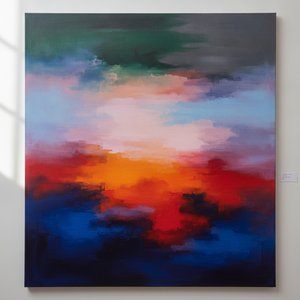
Color Field Painting: The Emotional Power of Pure Abstraction and Chromatic Depth
Explore the profound emotional depth of Color Field painting. Discover the history of mid-century abstraction, from Rothko to Newman, and learn how pure color transforms the viewer's experience through our expert art history guide.

Top 10 mistrovských děl abstraktního expresionismu | Umění a dekorace s OriginalUniqueArt.com
Prozkoumejte 10 ikonických děl abstraktního expresionismu od Pollocka, Rothka a dalších. Objevte příběhy za obrazy, techniky a barevné palety tohoto revolučního uměleckého hnutí. Reprodukce obrazů s OriginalUniqueArt.com – luxusní dekorace pro váš interiér. Prozkoumejte celou kolekci online!

Geometrická abstrakce: 10 mistrovských děl, které změnily umění | OriginalUniqueArt.cz
Prozkoumejte 10 ikonických děl geometrické abstrakce od Mondriana, Maleviče a Kandinského. Objevte příběhy umělců, techniky a historii tohoto revolučního hnutí. Najděte inspiraci pro moderní dekorace a luxusní reprodukce obrazů na OriginalUniqueArt.com.
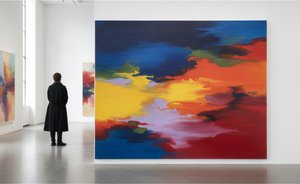
Beyond the Brushstroke: A Definitive Guide to the Emotional Power of Color Field Painting
Explore the profound history and emotional depth of Color Field painting. From Mark Rothko to Barnett Newman, discover how pure color redefined modern art through our expert-led guide for students and collectors alike.

Gene Davis: Chromatic Explorations of Color Field Painting & the Washington Color School
Explore the vibrant world of Gene Davis and the Washington Color School. Discover his iconic stripe paintings, innovative techniques, and lasting impact on American abstract art. A deep dive for collectors & enthusiasts.