

 Náhled
 Sdílet
 Sdílet
 Podrobnosti o díle

 Stáhnout
 Podobné položky
 Rentgenové snímky
 Slideshow
Hebe

 Zobrazit více
Koupě vysoce rozlišeného, vylepšeného digitálního obrazu, který je mnohem kvalitnější než online náhled.
Každý soubor je pečlivě připraven našimi odborníky pomocí pokročilých nástrojů a expertní manuální retuše. Zajišťujeme, aby každý obraz disponoval výjimečnou ostrostí, přesnou barevnou věrností a jemnými detaily.
Finální soubor vám bude do 72 hodin zaslán e-mailem, optimalizovaný pro okamžité použití v profesionálním, redakčním i tiskovém prostředí. Nabízíme stejnou kvalitu, které důvěřují špičková designová studia, nakladatelství i galerie.
Digitální obrazy
Stáhněte si soubor ve vysokém rozlišení pro osobní prohlížení, tisk a kreativní projekty. ( Koupit tisk Koupit ručně malovaný obraz)
Součást každé objednávky digitálního obrazu
Profesionální digitální doručení, zaručeno.
Když si vyberete OriginalUniqueArt.com, nezískáváte pouze obrázek – získáváte digitální umělecké dílo s profesionálně vylepšenými detaily, zpracované s precizností a podpořené zárukou za spokojenost. Zde je vše, co vaše objednávka automaticky obsahuje:

Rychlé doručení e-mailem
Váš digitální obraz ve vysokém rozlišení vám bude zaslán e-mailem do 72 hodin od objednávky – připraven k okamžitému použití.

Digitální soubor s využitím AI
Vaše umělecké dílo je profesionálně optimalizováno pomocí pokročilých nástrojů umělé inteligence a manuální úpravy, což zajišťuje maximální úroveň detailu, ostrosti a přesnosti barev.

Bezplatné doživotní znovuodeslání
Soubor jste omylem smazali nebo ztratili? Žádný problém – kdykoliv vám ho znovu zašleme zcela zdarma.

Bez poplatků za dovoz – navždy
Užijte si své umělecké dílo okamžitě bez celních poplatků, daní nebo nákladů na dopravu – digitální stažení je vždy bez daňových povinností.

Záruka přesnosti barev
Pomocí profesionálních nástrojů a správy barev zajišťujeme, aby váš digitální obraz odrážel původní barvy co nejvěrněji.

60denní záruka spokojenosti
Pokud nebudete s digitální fotografií spokojeni, provedeme její revizi nebo vám vrátíme 100% během 60 dnů – bez jakýchkoliv dotazů.

100% záruka vrácení peněz
Nespokojeni? Získejte plnou částku zpět do 60 dní od přijetí vašeho digitálního souboru – bez jakýchkoliv dotazů.

Slevy při hromadných objednávkách
Koupěte si 3 obrazy, ušetřete 10% - Koupěte si 5, ušetřete 15% - Koupěte si 10+, ušetřete 20%. Ideální pro kreativní projekty, galerie a agentury.
Biografie umělce
A Life Illuminated by Neoclassical Ideals
Gaspare Landi, born in Piacenza, Italy, on January 6th, 1756, emerged as a significant figure within the Italian Neoclassical movement. His early years hinted at a spirited and joyful disposition, yet beneath this playful exterior lay a burgeoning artistic talent waiting to be nurtured. This potential was recognized by his distant relative and patron, Marquis Giambattista Landi, whose generous financial support in 1781 proved pivotal. It enabled the young artist to journey to Rome – the very heart of Italian art and culture – and embark on formal training that would shape his destiny. This act of patronage wasn’t merely a transaction; it was an investment in a future master, allowing Landi access to the artistic currents and intellectual fervor that defined the era.Roman Apprenticeship and Artistic Flourishing
Upon arriving in Rome at the age of twenty-five, Landi entered the studios of Domenico Corvi and Pompeo Battoni, two prominent artists who would become instrumental in his development. Corvi’s influence likely honed Landi's technical precision, while Battoni instilled a sense of classical composure and refined elegance. These masters weren’t simply instructors; they were conduits to the artistic heritage of antiquity, guiding Landi towards an aesthetic rooted in order, clarity, and idealized form. During this formative period, Landi quickly established himself as a skilled painter specializing in religious scenes, mythological subjects, and portraiture. He wasn't merely replicating styles but synthesizing them into something uniquely his own – a blend of technical mastery and dramatic composition that soon garnered attention within the Roman art scene. His ability to imbue his canvases with emotional intensity, coupled with meticulous anatomical detail, set him apart from his contemporaries.Rivalry, Ambition, and Defining Works
Landi’s artistic journey wasn't without its competitive edge. He found himself in a notable rivalry with Vincenzo Camuccini, another leading Neoclassical painter in Rome. This dynamic, rather than hindering creativity, spurred both artists to push the boundaries of their skill and ambition. The competition manifested most strikingly in Piacenza, where Landi created Lo Spasimo (The Agony), a monumental canvas depicting Christ’s struggle on the road to Calvary. It was deliberately conceived as a direct response to Camuccini's work, a bold statement of artistic prowess intended to surpass his rival. Beyond this defining piece, Landi produced other significant works during this period, including Diomedes and Ulysses bearing off the Palladium (1783) – showcasing his skill in mythological narratives – and The Marriage of Abraham and Sarah, once housed in the Pinacoteca at Parma. His religious iconography also flourished, exemplified by the Madonna addolorata created for the church of Santa Casa at Loreto, a testament to his ability to convey profound spiritual emotion through paint.Academic Recognition and Legacy
Landi’s talent didn't go unnoticed by the artistic establishment. In 1805, he was elected as a member of the prestigious Accademia di San Luca in Rome, a recognition of his contributions to the art world. His ascent within the Academy continued; he became a professor of painting theory in 1812 and ultimately its president in 1817 – positions that underscored his influence and leadership within the Roman artistic community. He received accolades from various rulers, including being made a Chevalier of the Order of the Iron Crown and other prestigious orders, further solidifying his reputation. A brief return to Piacenza around 1820 proved unsatisfying; he found provincial life stifling and soon re-established himself in Rome in 1824. His final work, an Assumption, was placed in the church of San Francesco di Paola in Naples, a fitting culmination to a career dedicated to artistic excellence. Gaspare Landi died on February 28th, 1830, leaving behind a legacy as a refined artist and influential academic leader whose work embodies the ideals of Neoclassicism – order, clarity, and a profound reverence for classical themes. While perhaps not as universally celebrated as some of his contemporaries, Landi’s contributions to Italian art remain significant, particularly in shaping artistic education during his time and demonstrating a masterful command of form and emotion within the constraints of neoclassical style.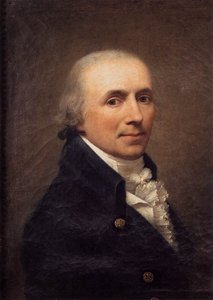
Gaspare Landi
1756 - 1830 , Italy
Stručné informace
- Artistic Movement Or Style: Neoclassicism
- Artists Or Movements Influenced By This Artist: Neoclassical painting
- Artists Who Influenced This Artist:
- Domenico Corvi
- Pompeo Battoni
- Date Of Birth: January 6, 1756
- Date Of Death: February 28, 1830
- Full Name: Gaspare Landi
- Nationality: Italian
- Notable Artworks:
- Lo Spasimo
- Hebe
- Diomedes and Ulysses
- Marriage of Abraham & Sarah
- Place Of Birth: Piacenza, Italy

