
 Náhled
 Sdílet
 Sdílet
 Podrobnosti o díle

 Stáhnout
 Podobné položky
 Rentgenové snímky
 Slideshow
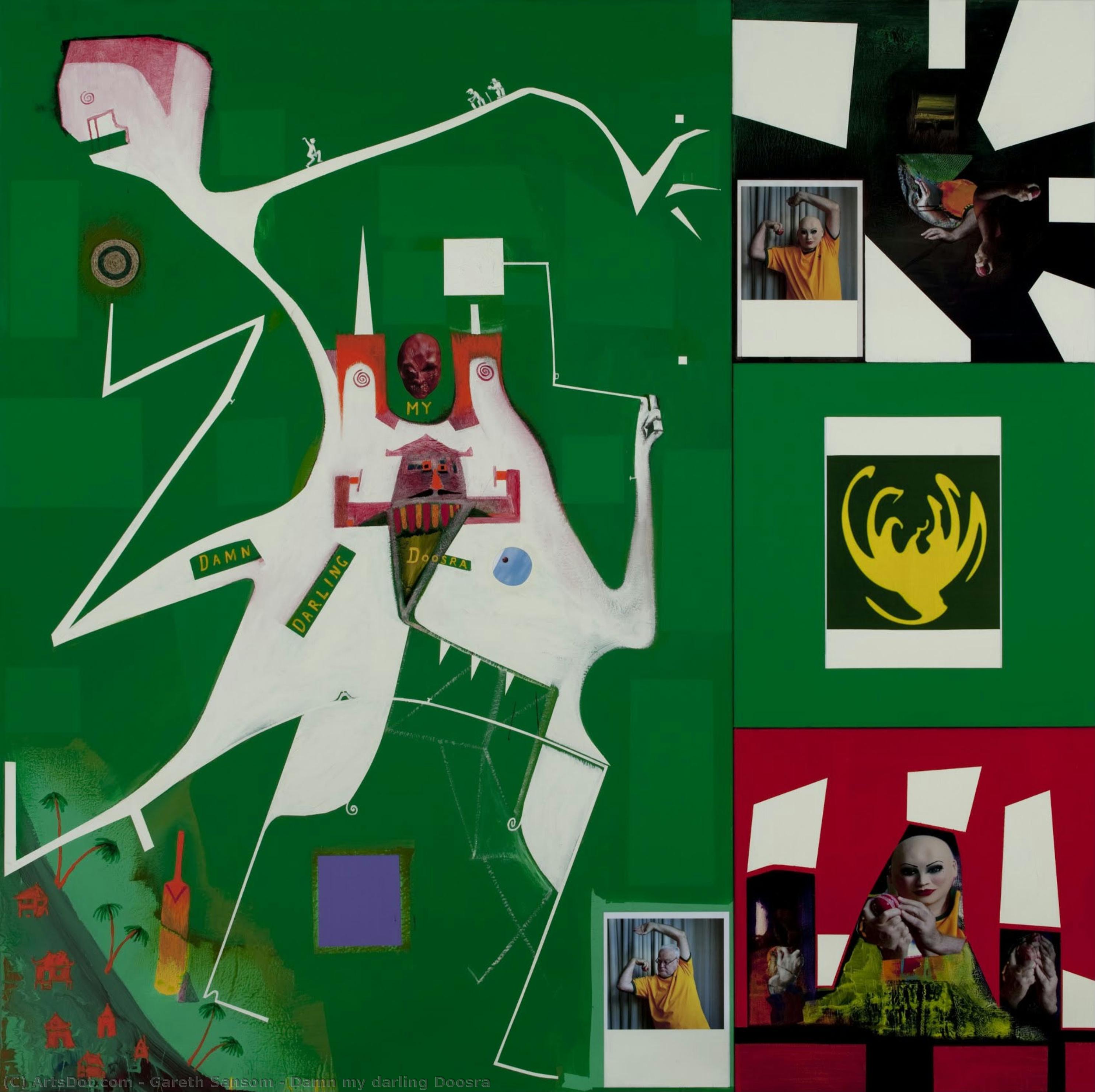
Damn my darling Doosra
 Mixed Media
- WallArt
- Pop Art
 2010
2010- Contemporary
 195.0 x 195.0 cm
 Ian Potter Museum of Art
 Zobrazit více
Giclée / Umělecký tisk
Giclée nebo plátěný tisk muzeální kvality s rychlou výrobou a flexibilními možnostmi povrchové úpravy. ( Koupit ručně malovaný obraz Koupit obrázek)




P118B $10

P118H $10

P118W $10

P438Z $10

P508JH $12

P508YH $12

P805H $10

P805Z $10

P919BZ $10

P919G $10

P919XJ $10

P959ZH $10

P968JZ $12

W106C $8

W218G $10

W218JH $8

W218Y $10

W307PJ $10

W316G $10

W316PJ $8

W316Y $10

W398PJ $8

W4111J $10

W500HY $15

W500JH $15

W692G $12

W849H $8

W940BG $15

W953PJ $8




Vyberte si z našich přednastavených velikostí, které odpovídají původním proporcím díla.

Můžete zadat vlastní rozměry tak, aby výtvor odpovídal konkrétnímu rámu nebo prostoru. Pokud zvolená velikost nebude odpovídat poměru stran původního obrazu, dílo buď ořížeme, nebo obraz rozšíříme pomocí zrcadlového efektu či jednobarevného okraje. Před zahájením výroby vám bude zaslán digitální náhled k schválení.
Mějte prosím na paměti, že náhled na obrazovce neodráží skutečné oříznutí nebo rozšíření. Pouze digitální náhled přesně zobrazí finální kompozici.
Ačkoliv jsou k dispozici i vlastní rozměry, pro zachování původních proporcí doporučujeme vybrat si rozměr z předdefinovaného seznamu.
Celosvětové doručení () do 2 týdnů namísto standardních 4/5 týdnů. (29 srpen)

Zdarma celosvětová expresní doprava

Vysoce kvalitní lněné plátno

Kompletní přepravní pojištění

Záruka vrácení celního poplatku

Záruka přesného barevného shodu

60denní lhůta pro vrácení zboží (pouze při vadách výroby)

100% garance vrácení peněz

Sleva při hromadné objednávce
 Skleněná varianta je dostupná pouze u rozměrů menších než 110 cm

Damn my darling Doosra
Giclée / Umělecký tisk
Rozměry reprodukce
-


Celková cena za výběr
$ 80
A Carnival of Chaos and Craft
In the vibrant and often disorienting landscape of contemporary Australian art, Gareth Sansom stands as a master of the unexpected. His 2010 masterpiece, "Damn my darling Doosra," serves as a breathtaking testament to his ability to weave disparate threads of pop culture, sport, and surrealism into a singular, pulsating tapestry. At first glance, the viewer is met with an explosion of color and fragmented imagery that mimics the frenetic energy of a carnival side-show. The central figure, draped in a striking yellow shirt with arms raised toward the heavens, acts as an anchor amidst a sea of abstract shapes and photographic collages. It is a work that refuses to be still, demanding that the eye dance across its surface, navigating through layers of green landscapes, red geometric borders, and ghostly, masked faces.
The title itself provides a cryptic gateway into Sansom’s psyche. Drawing inspiration from the evocative language used by sports writers to describe the "doosra"—a deceptive spin bowling delivery in cricket—the artist finds a profound metaphor in the sport's trickery. Just as a spin bowler uses contortion, unnatural angles, and hidden movements to deceive an opponent, Sansom utilizes his canvas to practice a form of artistic deception. The piece functions like a magician’s sleight of hand; one moment you are focused on a realistic photographic element, and the next, you are lost in a whirlwind of abstract limbs and fragmented bodies that suggest a state of constant metamorphosis.
The Alchemy of Collage and Color
Technically, "Damn my darling Doosra" is an exercise in controlled chaos. Sansom employs an eclectic mix of styles, blending the sharp edges of realism with the fluid, organic forms of abstraction. The composition is a sophisticated collage that feels both digitally informed and deeply tactile. The bold use of primary and secondary colors—the searing red of the rectangular borders against the lush, verdant greens—creates a high-contrast environment that stimulates the senses. This chromatic tension is mirrored in the subject matter, where the human form is often dissected or superimposed, creating a sense of psychological depth and physical instability.
For the discerning collector or interior designer, this artwork offers more than mere decoration; it offers a conversation piece of immense intellectual weight. The way the light seems to play off the different layers of the composition makes it an ideal centerpiece for modern, avant-garde spaces. Whether placed in a minimalist gallery setting or a richly textured study, the painting’s ability to command attention is unparalleled. It embodies the spirit of Pop Art while pushing into much darker, more complex territories of identity and mortality. To possess a reproduction of such a work is to invite the restless, beautiful energy of Sansom’s imagination into one's own environment, providing a daily encounter with the sublime mystery of the unexpected.
Biografie umělce
Gareth Sansom: A Life in Art
Born in Melbourne, Australia, on November 19, 1939, Gareth Sansom is a highly respected Australian artist known for his eclectic paintings, printmaking, and collages. His work stands out for its bold colors, diverse allusions, and exploration of complex themes.
Early Life and Education
Sansom studied at the Royal Melbourne Institute of Technology (RMIT) from 1959 to 1964. He held his first solo exhibition in 1959, receiving early encouragement from Arthur Boyd who purchased a piece from the show. Following RMIT, he exhibited at South Yarra Gallery and Gallery A, with works being acquired by the National Gallery of Victoria and the Australian National Gallery respectively.
Artistic Development & Influences
Sansom is recognized as one of the first Australian artists to embrace Pop Art influences, particularly from British artists like Peter Blake, Allen Jones, Derek Boshier, and Joe Tilson. He also drew inspiration from the formal strategies of post-modernist R.B. Kitaj and, significantly, the work of British painter Francis Bacon. His close association with Brett Whiteley suggests a mutual artistic influence.
Key Characteristics & Themes
Sansom’s paintings are characterized by their eclectic nature, layering historical, cultural, and personal references. He often combines oils, enamels (sprayed and brushed), and collaged elements – including photographs and objects – into his compositions. His signature style includes visible earlier paint layers, juxtaposed hard-edge geometry with lyrical passages of color, and figurative ‘doodles’ at the margins.
Recurring themes in his work include:
- Mortality
- Ageing
- Sexual identity
- Popular and youth culture
- Cinema
Humor, Iconoclasm & Titles
A strong element of humor, iconoclasm, and irony permeates Sansom’s work. This is evident not only in the visual elements but also in his often provocative titles, such as ‘Art Can't Fart (for Rose Selavay)’, ‘Four Wise Men Looking for God in Abstract Art’, and ‘Dr Fu Manchu’s Death by Gyro’.
Major Achievements & Recognition
Throughout his career, Sansom has held numerous exhibitions and received significant recognition. He was awarded the prestigious John McCaughey Memorial Prize of $100,000 in 2008. His work is represented in major collections including:
- National Gallery of Australia
- National Gallery of Victoria
- Art Gallery of New South Wales
- Metropolitan Museum of Art, New York
- The Mertz Collection
Historical Significance & Legacy
Gareth Sansom has had a distinct influence on subsequent Australian art. He paved the way for later notable artists such as Juan Davila and Howard Arkley, introducing new themes and subject matter into the Australian artistic landscape. His innovative approach to painting, combining diverse techniques and challenging conventional norms, continues to inspire contemporary artists.
From 1986-1991 Sansom was Dean of the School of Art at the Victorian College of the Arts (VCA), further cementing his role as a leading figure in Australian art education.

Gareth Sansom
1939 - , Australia
Rychlé fakta
- Birth Date: 19 November 1939
- Birth Place: Melbourne, Australia
- Influenced:
- Juan Davila
- Howard Arkley
- Influenced By:
- Peter Blake
- Allen Jones
- Derek Boshier
- Joe Tilson
- R.B. Kitaj
- Francis Bacon
- Brett Whiteley
- Movement: Pop Art, Post-modernism
- Name: Gareth Sansom
- Nationality: Australian
Související články
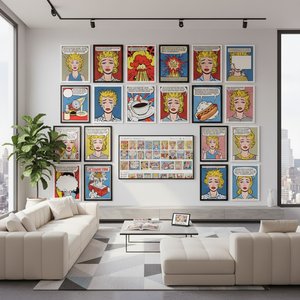
Roy Lichtenstein: Top 25 děl pop artu pro váš interiér | OriginalUniqueArt.cz
Prozkoumejte 25 ikonických děl Roye Lichtensteina – průkopníka pop artu. Obrazy s komiksovými motivy, výrazné barvy a unikátní technika ben-day dots. Najděte inspiraci pro váš interiér a kvalitní reprodukce na OriginalUniqueArt.cz! Prozkoumejte celou kolekci online.

Wassily Kandinsky: Top 25 mistrovských děl abstrakce pro váš interiér | OriginalUniqueArt.com
Prozkoumejte 25 ikonických děl Wassily Kandinského – průkopníka abstraktního umění a expresionismu. Objevte příběhy za barevnými kompozicemi, Bauhaus styl a inspirujte se pro váš interiér s reprodukcemi nejvyšší kvality na OriginalUniqueArt.com.

Top 10 mistrovských děl abstraktního expresionismu | Umění a dekorace s OriginalUniqueArt.com
Prozkoumejte 10 ikonických děl abstraktního expresionismu od Pollocka, Rothka a dalších. Objevte příběhy za obrazy, techniky a barevné palety tohoto revolučního uměleckého hnutí. Reprodukce obrazů s OriginalUniqueArt.com – luxusní dekorace pro váš interiér. Prozkoumejte celou kolekci online!
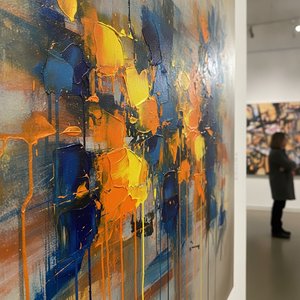
Beyond the Lines: Mastering the High-Impact World of Contemporary Abstraction
Master the high-impact world of contemporary abstraction. Discover how bold colors, textures, and modern movements like Abstract Expressionism can transform your space with premium, high-energy art curated for the design-conscious professional.

Geometrická abstrakce: 10 mistrovských děl, které změnily umění | OriginalUniqueArt.cz
Prozkoumejte 10 ikonických děl geometrické abstrakce od Mondriana, Maleviče a Kandinského. Objevte příběhy umělců, techniky a historii tohoto revolučního hnutí. Najděte inspiraci pro moderní dekorace a luxusní reprodukce obrazů na OriginalUniqueArt.com.

