- Domů

- Tisk na plátno
- Friedel Dzubas
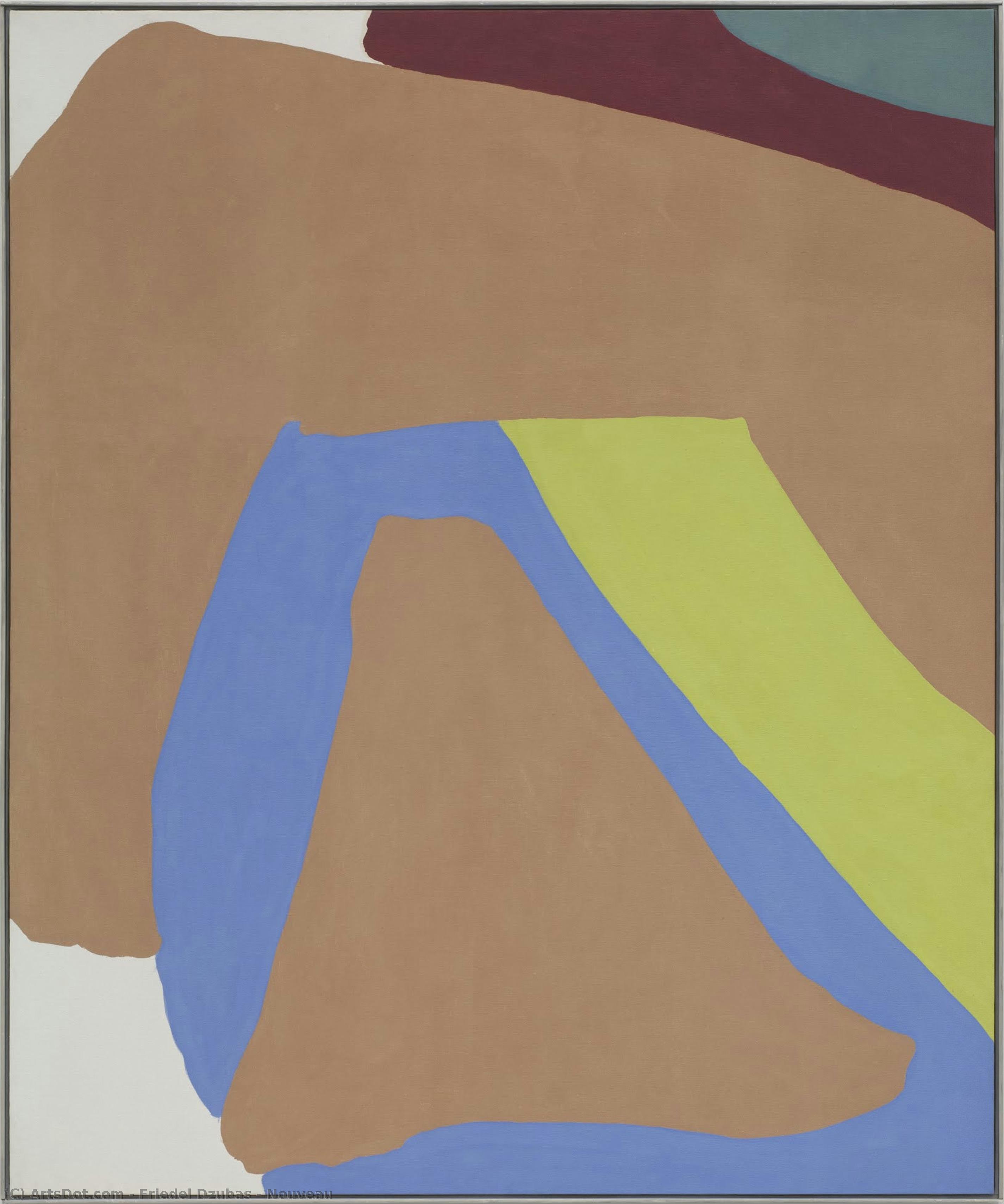
- Nouveau
 Náhled
 Sdílet
 Sdílet
 Podrobnosti o díle

 Stáhnout
 Podobné položky
 Rentgenové snímky
 Slideshow
Nouveau


 Zobrazit více
Giclée / Umělecký tisk
Giclée nebo plátěný tisk muzeální kvality s rychlou výrobou a flexibilními možnostmi povrchové úpravy. ( Přepnout na ručně malovanou reprodukci Přepnout na obrázek)




































Vyberte si z našich přednastavených velikostí, které odpovídají původním proporcím díla.

Můžete zadat vlastní rozměry tak, aby výtvor odpovídal konkrétnímu rámu nebo prostoru. Pokud zvolená velikost nebude odpovídat poměru stran původního obrazu, dílo buď ořížeme, nebo obraz rozšíříme pomocí zrcadlového efektu či jednobarevného okraje. Před zahájením výroby vám bude zaslán digitální náhled k schválení.
Mějte prosím na paměti, že náhled na obrazovce neodráží skutečné oříznutí nebo rozšíření. Pouze digitální náhled přesně zobrazí finální kompozici.
Ačkoliv jsou k dispozici i vlastní rozměry, pro zachování původních proporcí doporučujeme vybrat si rozměr z předdefinovaného seznamu.
Celosvětové doručení () do 2 týdnů namísto standardních 4/5 týdnů. (3 srpen)

Zdarma celosvětová expresní doprava

Vysoce kvalitní lněné plátno

Kompletní přepravní pojištění

Záruka vrácení celního poplatku

Záruka přesného barevného shodu

60denní lhůta pro vrácení zboží (pouze při vadách výroby)

100% garance vrácení peněz

Sleva při hromadné objednávce
 Skleněná varianta je dostupná pouze u rozměrů menších než 110 cm

Nouveau
Giclée / Umělecký tisk
Rozměry reprodukce
-


Celková cena za výběr
$ 80
Popis sběratelského kousku
A Symphony of Color and Form
In the mesmerizing expanse of Nouveau, created in 1965, the viewer is invited into a profound dialogue between geometry and atmosphere. At first glance, the eye is immediately captured by the striking central blue triangle, a focal point that anchors the composition amidst a sea of earthy tones. This geometric protagonist does not sit static upon the canvas; rather, it feels as though it is emerging from or receding into a rich, brown foundation. Scattered around this central form are vibrant accents of yellow and red, which dance across the surface like sudden bursts of light or embers in a twilight sky. The presence of smaller, intricate triangles within the larger structure adds a layer of rhythmic complexity, transforming a simple geometric arrangement into a deep, multidimensional exploration of space and weight.
The brilliance of this piece lies in its mastery of the Color Field technique, a hallmark of Friedel Dzubas’s mature style. Moving away from the aggressive gestures of his early Abstract Expressionist years, Dzubas utilized a sophisticated staining process that would become legendary in the mid-1960s. By scrubbing thick layers of pigment into large, unprimed canvases, he achieved a texture where color appears both dense and ethereal. In Nouveau, this technique allows for a breathtaking interplay of opacity and translucency. The way the red and yellow accents bleed into the surrounding brown creates an effect reminiscent of natural phenomena—perhaps a sunset filtering through clouds or the organic movement of light through water—making the painting feel less like a static object and more like a living, breathing entity.
Historical Resonance and Emotional Depth
To understand the soul of Nouveau, one must consider the historical journey of its creator. Having fled the rising shadows of Nazi Germany in 1939, Dzubas brought to New York a profound sensitivity to the concepts of freedom and fluidity. His association with luminaries such as Helen Frankenthaler and the influential critic Clement Greenberg placed him at the very heart of the American avant-garde. This painting, produced during the height of his association with Post-painterly Abstraction, reflects a period where the artist had moved beyond mere shape to explore the pure experience of color itself. The work serves as a testament to a life shaped by transition, finding stability not in rigid lines, but in the harmonious balance of contrasting hues.
For the discerning collector or interior designer, Nouveau offers more than just visual splendor; it provides an emotional anchor for any sophisticated space. The piece possesses a unique ability to command attention while maintaining a sense of meditative calm. Its warm, grounded palette of brown and red provides a sense of stability, while the piercing blue and bright yellow inject a modern, energetic vitality. Whether placed in a contemporary gallery setting or as a centerpiece in a luxurious residential lounge, this reproduction captures the essence of mid-century abstraction, offering an enduring sense of wonder and a sophisticated touch of historical prestige.
Biografie umělce
Friedel Dzubas: Pioneer of Color Field Painting and Magna Technique
Friedel Dzubas (1915 – 1994) emerged from Berlin during the tumultuous years preceding World War II, a German-born American abstract painter whose artistic journey spanned decades of experimentation and innovation. Driven by an innate desire for freedom—a sentiment profoundly shaped by his escape from Nazi Germany in 1939—Dzubas established himself in New York City, forging connections with fellow artists like Helen Frankenthaler and embarking on a prolific career that cemented his place as a significant figure within the burgeoning Color Field movement. His formative years were spent honing artistic skills in Berlin before the rise of fascism forced him to confront an inescapable reality: exile. This experience instilled in Dzubas a resilience and adaptability that would prove invaluable throughout his life, particularly during the challenging period of the Great Depression when he struggled to gain recognition as a young artist. Despite initial difficulties, Dzubas persevered, fueled by unwavering dedication and a burgeoning belief in the transformative power of abstraction. Dzubas’s artistic breakthrough arrived in Manhattan during the early 1950s where he shared a studio space with Helen Frankenthaler, fostering collaborative dialogues that undoubtedly influenced his evolving style. The Ninth Street Show of 1951 marked a pivotal moment—introducing Dzubas to the influential Clement Greenberg and propelling him into the orbit of prominent galleries like Leo Castelli and Tibor de Nagy. These exhibitions showcased his bold explorations of color and texture, establishing him as a key participant in the burgeoning Color Field movement. Greenberg’s endorsement on the poster for the Second New York Painting and Sculpture Annual highlighted Dzubas's significance within the artistic landscape of the time—a testament to his ability to capture the spirit of an era. Dzubas’s stylistic evolution mirrored broader trends in postwar American art, notably embracing lyrical abstraction alongside Color Field painting. His association with Jackson Pollock and other groundbreaking artists further broadened his artistic horizons, exposing him to innovative techniques and conceptual approaches. Notably, Dzubas championed Magna Paint—a revolutionary acrylic emulsion developed by Leonard Bocour and Sam Golden—which allowed for unparalleled layering and staining capabilities. This technique became synonymous with Dzubas’s distinctive style, resulting in monumental canvases characterized by expansive washes of color punctuated by deliberate scrubbing motions that embedded pigment into the unprimed canvas. Throughout his illustrious career spanning over sixty solo exhibitions worldwide, Dzubas continued to refine his craft, producing works of considerable scale—some reaching up to 24 feet (7.3 meters) wide—that commanded attention and admiration. Represented by André Emmerich Gallery and Knoedler Contemporary Arts for more than thirty years, Dzubas’s paintings graced galleries across New York City including the Anita Shapolsky Gallery and Jacobsohn Howard Gallery. His enduring legacy resides not only in his impressive output but also in his unwavering commitment to artistic exploration—a pursuit that yielded masterpieces reflecting the profound impact of Color Field painting and Magna technique on American art history.
Friedel Dzubas
1915 - 1994 , Germany
Rychlé fakta
- Artistic Movement Or Style: Abstract Expressionism & Color Field Painting
- Artists Who Influenced This Artist:
- Jackson Pollock
- Clement Greenberg
- Date Of Birth: 1915
- Full Name: Friedel Dzubas
- Nationality: American
- Notable Artworks:
- Untitled Monotype IV
- Fan Tan
- Passages ( 31)
- Place Of Birth: Berlin, Germany
Související články

Wassily Kandinsky: Top 25 mistrovských děl abstrakce pro váš interiér | OriginalUniqueArt.com
Prozkoumejte 25 ikonických děl Wassily Kandinského – průkopníka abstraktního umění a expresionismu. Objevte příběhy za barevnými kompozicemi, Bauhaus styl a inspirujte se pro váš interiér s reprodukcemi nejvyšší kvality na OriginalUniqueArt.com.
Claude Monet: 25 mistrovských děl impresionismu pro váš domov | OriginalUniqueArt.com
Prozkoumejte 25 ikonických děl Claude Moneta – mistra impresionismu. Obdivujte vodní lilie, krajiny a secesní obrazy plné světla a barev. Najděte inspiraci pro váš interiér s reprodukcemi nejvyšší kvality na OriginalUniqueArt.com
Mark Rothko: Top 25 děl mistra barev a emocí | OriginalUniqueArt.cz
Prozkoumejte 25 ikonických děl Marka Rothka, mistra abstraktního expresionismu. Objevte příběhy za jeho barevnými plátny a emoce v umění. Reprodukce obrazů nejvyšší kvality na OriginalUniqueArt.com.

Top 10 mistrovských děl abstraktního expresionismu | Umění a dekorace s OriginalUniqueArt.com
Prozkoumejte 10 ikonických děl abstraktního expresionismu od Pollocka, Rothka a dalších. Objevte příběhy za obrazy, techniky a barevné palety tohoto revolučního uměleckého hnutí. Reprodukce obrazů s OriginalUniqueArt.com – luxusní dekorace pro váš interiér. Prozkoumejte celou kolekci online!

Deset ikonických obrazů v odstínech šedé modré: Umění a inspirace pro váš domov
Objevte deset ikonických obrazů v odstínech šedé modré od Van Gogha, Moneta a dalších mistrů. Ponořte se do příběhů umění, technik a inspirace pro váš interiér. Reprodukce obrazů nejvyšší kvality na OriginalUniqueArt.com.

