Surrealism · 1945
Moses (Frida Kahlo, 1945)
Frida Kahlo (1907–1954) vytvořil dílo Moses. Pochází z roku 1945. Patří k hnutí Surrealism. Je vyrobeno z Acrylic On Canvas. Rozměry jsou 61 × 76 cm.
- 1945
- Acrylic On Canvas
- 61 × 76 cm

 Náhled v interiéru

 Ručně malovaná olejná reprodukce
 Sdílet
 Sdílet
 Informační list


 Stáhnout
 Podobné položky
 Rentgenové snímky
 Slideshow
 Otázky a odpovědi

 Statistiky
Moses v kostce
- Název díla
- Moses
- Autor
- Frida Kahlo (1907–1954)
- Rok narození umělce
- Coyoacán, Mexiko
- Datum vytvoření
- 1945
- Technika
- Acrylic On Canvas
- Rozměry
- 61 × 76 cm
- Pohyb
- Surrealism
- Období
- Contemporary
- Motiv
- moses, ten commandments, biblical story, ancient israel, religious iconography, mural painting
Co przedstawuje dílo Moses?
A Testament to Resilience: Frida Kahlo’s “Moses” – A Deep Dive
This meticulously crafted hand-painted reproduction captures the raw power and profound symbolism of Frida Kahlo's rarely seen, yet intensely evocative, painting titled "Moses." Initially conceived as a personal exploration of faith, suffering, and the human condition, this work transcends its origins to offer a timeless meditation on resilience and the struggle for meaning. Kahlo’s unique artistic voice, forged in the crucible of physical pain and emotional turmoil, is powerfully evident here, creating an image that resonates with both vulnerability and unwavering strength.
- Subject Matter: The painting centers around the biblical figure of Moses, depicted not as a heroic leader but as a profoundly human being grappling with immense responsibility. He holds aloft the tablets inscribed with the Ten Commandments, a potent symbol of divine law and humanity’s relationship with the sacred.
- Style & Technique: Kahlo's signature style – characterized by bold color palettes, meticulous detail, and unflinching self-portraiture elements – is fully realized here. The application of paint is thick and textured, lending a tactile quality to the image and emphasizing the physicality of Moses’ form. Notice the deliberate use of chiaroscuro, creating dramatic contrasts between light and shadow that heighten the emotional intensity.
Historical Context & Influences
Painted in 1945, “Moses” emerged during a period of significant artistic and intellectual ferment. Kahlo was deeply influenced by Surrealism, though she resisted being categorized within the movement’s more fantastical tendencies. Instead, she employed surrealist techniques – dreamlike imagery, symbolic representation – to explore intensely personal themes. The painting also reflects Kahlo's own experiences with illness, disability, and her complex relationship with her family history, particularly her German heritage. The choice of Moses, a figure synonymous with liberation from oppression, speaks directly to the political anxieties of post-war Mexico, where social justice movements were gaining momentum.
Decoding the Symbolism
Beyond the obvious representation of Moses and the Ten Commandments, the painting is layered with rich symbolism. The horse, prominently featured in the background, represents power, nobility, and perhaps even a fallen kingdom – a subtle allusion to the Israelites’ past. The cow symbolizes fertility and abundance, while the bird suggests freedom and spiritual aspiration. The boat, often interpreted as representing the Red Sea crossing, isn't merely a depiction of a biblical event; it embodies the journey of self-discovery and the overcoming of obstacles. Kahlo masterfully uses these elements to create a complex tapestry of meaning that invites multiple interpretations.
Emotional Impact & Artistic Value
"Moses" is more than just a beautiful image; it’s an emotionally charged statement about the human spirit's capacity for endurance and faith. Kahlo’s unflinching honesty and her ability to transform personal suffering into universal themes are what make this painting so compelling. This hand-painted reproduction allows you to experience the full force of Kahlo’s artistic vision, bringing a piece of art history directly into your home or office. Its scale – 61 x 76 cm – makes it suitable for a variety of interior design settings, while its enduring symbolism ensures that it will continue to inspire and provoke thought for generations to come.
Vysokorozlišené fotografie díla Moses

Frida Kahlo, Moses (1945). Veřejná doména
Odpovědi na otázky k dílu Moses
V jakém roce vzniklo dílo "Moses"?
Dílo "Moses" pochází z roku 1945. Toto datum situuje dílo do období tvůrčí činnosti Frida Kahlo i do jeho dobové kontextu.
V jaké technice je vytvořeno dílo „Moses“ od Frida Kahlo?
Technikou díla „Moses“ od Frida Kahlo je Acrylic On Canvas. Reprodukce mají za cíl věrně zachytit vzhled této techniky.
Jaké jsou rozměry originálu díla „Moses“ od Frida Kahlo?
Rozměry originálního díla „Moses“ od Frida Kahlo jsou 61 x 76 cm.
Jaká témata se objevují v díle „Moses“ od Frida Kahlo?
„Moses“ od Frida Kahlo zobrazuje: moses, ten commandments, biblical story, ancient israel, religious iconography, mural painting, symbolic art.
Je dílo „Moses“ volné z autorských práv?
Dílo „Moses“ od Frida Kahlo spadá do v rámci volného užití – autorská práva vypršela. Tento stav určuje pravidla pro reprodukci obrazu tohoto díla.
K kterému umělci je dílo "Moses" připisováno?
Dílo "Moses" se připisuje autorovi Frida Kahlo.
K kterému uměleckému směru patří „Moses“ od Frida Kahlo?
Dílo „Moses“ od Frida Kahlo patří k období směru Surrealism, který dílu dodává jeho stylistický kontext.
Do které období tvorby Frida Kahlo patří dílo „Moses“?
Dílo „Moses“ pochází z období Mature Period v tvorbě umělce Frida Kahlo. Tato klasifikace dílo zasazuje do kontextu vývoje jeho tvůrčí dráhy.
Kolik let bylo Frida Kahlo, když v roce 1945 vytvořil(a) dílo „Moses“?
Frida Kahlo bylo 38 let, když v roce 1945 vytvořilo dílo „Moses“. Věk je vypočítán z roku narození umělce, 1907.
O umělci, Frida Kahlo
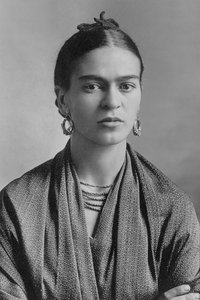
1907–1954, Mexiko
Frida Kahlo
Raný život a rodinné zázemí Coyoacán v Mexico City se stává kulisou pro narození Magdaleny Carmen Friedy Kahlo y Calderón, které nastalo 6. července 1907. Její domácnost představuje fascinující střetování různých rodokmenů. Její otec, Guillermo Kahlo, pracoval jako německo-mexický fotograf, zatímco její matka, Matilde, v sobě nesla dědictví původních obyvatel Ameriky i španělských předků.
Také od autora Frida Kahlo
 Frida Kahlo - `Dvě Fridy`1939
 Autorretrát s Červeným límcem
 Sloučená Sloupová1944
 Zraněný jelen1946

Eseje k tématu Moses
 Pain and Passion: The 25 Most Iconic Masterpieces by Frida KahloExplore 25 iconic Frida Kahlo masterpieces through their powerful stories. Discover the full collection online at OriginalUniqueArt.com.
 Navigating Symbolism & Sentiment: A Comprehensive Exploration of Boats in Art HistoryExplore the rich history of boats in art! Discover symbolism & style from ancient myths to Impressionist masterpieces. Expert insights for …
 Beyond Reality: Exploring Symbolism's Influence on Modern Art & Psychological ExpressionExplore the captivating world of Symbolism! Discover key artists, psychological themes & its lasting impact on modern art. Expert insights …