Surrealist Leanings
Bodegón (Frida Kahlo)
Frida Kahlo (1907–1954) vytvořil dílo Bodegón. Patří k hnutí Surrealist Leanings. Je vyrobeno z Akryl na plátně.
- Akryl na plátně

 Náhled v interiéru

 Ručně malovaná olejná reprodukce
 Sdílet
 Sdílet
 Informační list pro studenty


 Stáhnout
 Podobné položky
 Rentgenové snímky
 Slideshow
 Otázky a odpovědi

 Statistiky
Bodegón v kostce
- Název díla
- Bodegón
- Autor
- Frida Kahlo (1907–1954)
- Rok narození umělce
- Coyoacán, Mexiko
- Technika
- Akryl na plátně
- Pohyb
- Surrealist Leanings
- Období
- Modernismus
- Motiv
- mexican art, fruit symbolism, kahlo imagery, symbolic arrangement, floral composition, surrealist style
Co przedstawuje dílo Bodegón?
Bodegón: A Stillness Charged with Life
Frida Kahlo, an artist synonymous with unflinching self-portraiture and the vibrant tapestry of Mexican identity, surprises many with her ventures into still life painting. *Bodegón*, a work often overshadowed by her more famous biographical pieces, reveals a different facet of Kahlo’s artistic sensibility – one deeply rooted in tradition yet subtly infused with her signature surrealist leanings. The composition centers around a robust pumpkin, dominating the visual field and acting as an anchor for the surrounding arrangement of fruits: apples, oranges, and bananas are carefully positioned, creating a circular flow that draws the eye inward. A vase graces the upper left corner, adding a delicate counterpoint to the earthy weight of the produce. This isn’t merely a depiction of objects; it's a meticulously constructed world brimming with symbolic potential.The Language of Objects: Symbolism in Kahlo’s Still Life
To understand *Bodegón*, one must consider the cultural context and Kahlo’s personal iconography. While seemingly straightforward, the choice of fruits and vegetables is far from arbitrary. The pumpkin itself, a pre-Columbian symbol of fertility and abundance, takes on added resonance when viewed through the lens of Kahlo's own struggles with physical pain and her inability to carry a child to term. The oranges and apples, often associated with temptation and knowledge in Western art history, are juxtaposed against the bananas – a fruit less traditionally laden with symbolism but perhaps representing exoticism or fleeting pleasure. The vase, a vessel for life-giving water, hints at themes of nourishment and sustenance. Kahlo’s deliberate arrangement isn't accidental; it speaks to a complex interplay between life, death, desire, and loss—themes that permeate her entire oeuvre. The slightly unsettling quality of the composition, the way objects seem both present and strangely detached, suggests a deeper meditation on mortality and resilience.Style and Technique: Kahlo’s Distinctive Vision
Kahlo's approach to still life distinguishes itself from conventional representations of nature. Rather than striving for photographic realism, she employed a technique characterized by flattened perspectives and bold color palettes—elements characteristic of Mexican folk art and influenced by Surrealist principles. Her brushstrokes are visible, conveying texture and immediacy, mirroring the artist’s own experience of inhabiting her body and confronting physical limitations. The meticulous attention to detail – particularly in rendering the surfaces of the fruits and vegetables – underscores Kahlo's commitment to capturing the essence of her subjects rather than merely replicating their appearance.Historical Context: Mexican Identity and Artistic Expression
*Bodegón* emerged during a pivotal moment in Mexican history—the aftermath of the Mexican Revolution (1910-1920). Kahlo’s work reflects the burgeoning nationalist sentiment of the era, celebrating indigenous traditions and materials while simultaneously engaging with Western artistic influences. The inclusion of symbols like the pumpkin and the vase speaks to broader cultural anxieties about reproduction, sustenance, and the relationship between humanity and nature—concerns that resonated deeply within Mexican society at the time. Kahlo’s decision to explore still life as a medium was deliberate; it allowed her to express profound emotional truths without resorting to autobiographical narratives, offering viewers an alternative pathway into understanding her artistic vision.Emotional Impact: A Reflection of Inner Turmoil
Ultimately, *Bodegón* transcends its formal elements to convey a palpable sense of melancholy and introspection. The stillness of the scene contrasts sharply with Kahlo’s turbulent inner life—a life marked by chronic pain, emotional trauma, and profound loss. Yet, amidst this apparent quietude lies an undeniable vibrancy—the luminous colors of the fruits and vegetables capturing a fleeting moment of beauty against a backdrop of existential contemplation. Viewing *Bodegón* invites viewers to contemplate themes of vulnerability, resilience, and the enduring power of art to illuminate the complexities of human experience.Vysokorozlišené fotografie díla Bodegón
Frida Kahlo, Bodegón.
Frida Kahlo (1907–1954), Bodegón, akryl na plátně. Veřejná doména Obrázek: OriginalUniqueArt.com.
Odpovědi na otázky k dílu Bodegón
Jakou technikou je vytvořeno dílo "Bodegón"?
Frida Kahlo pro dílo „Bodegón“ použil/a techniku Akryl na plátně. Tato technika definuje materiální podstatu originálního díla.
Jaká témata se objevují v díle „Bodegón“ od Frida Kahlo?
Témata obsažená v díle „Bodegón“ od Frida Kahlo zahrnují mexican art, fruit symbolism, kahlo imagery, symbolic arrangement, floral composition, surrealist style, pumpkin motif. Tato témata společně shrnují obsah celého uměleckého díla.
Lze obraz díla „Bodegón“ od Frida Kahlo volně reprodukovat?
Stav autorských práv pro dílo „Bodegón“ od Frida Kahlo: toto dílo spadá do v rámci volného užití – autorská práva vypršela. To určuje, zda lze volně vytvářet reprodukce tohoto obrazu.
K kterému umělci je dílo "Bodegón" připisováno?
Dílo "Bodegón" vytvořil/a Frida Kahlo. Informace na této stránce popisují originální dílo umělce Frida Kahlo.
K kterému uměleckému směru patří „Bodegón“ od Frida Kahlo?
Umělecký směr, ke kterému patří dílo „Bodegón“ od Frida Kahlo, je Surrealist Leanings. Tato klasifikace toto dílo umísťuje mezi související umělce a další umělecká díla.
Do které éry tvorby Frida Kahlo spadá dílo "Bodegón"?
V rámci kariéry umělce Frida Kahlo spadá dílo „Bodegón“ do období Mature Period. Tato fáze umožňuje jeho srovnání s dalšími díly tohoto umělce.
Patří dílo „Bodegón“ od Frida Kahlo do volného užití, a proč?
Dílo „Bodegón“ od Frida Kahlo spadá do v rámci volného užití – autorská práva vypršela. Autorská práva se počítají od roku úmrtí autora; Frida Kahlo zemřel(a) v roce 1954.
Jaké místo v tvorbě umělce Frida Kahlo zaujímá dílo "Bodegón"?
Dílo „Bodegón“ sdílí s ostatními pracemi umělce Frida Kahlo styl období Surrealist Leanings a opakující se témata: mexican folk art tradition, pain, resilience & identity, symbolic fruit representations, exploring surrealist visions, kahlo’s autobiographical narrative.
Jaké je místo díla „Bodegón“ mezi opakovanými tématy umělce Frida Kahlo?
Mezi zaznamenaná témata umělce Frida Kahlo – tedy mexican folk art tradition, pain, resilience & identity, symbolic fruit representations, exploring surrealist visions, kahlo’s autobiographical narrative – přináší dílo „Bodegón“ specifické zaměření na mexican art, fruit symbolism, kahlo imagery, symbolic arrangement, floral composition, surrealist style, pumpkin motif.
O umělci, Frida Kahlo
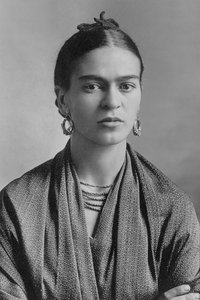
1907–1954, Mexiko
Frida Kahlo
Raný život a rodinné zázemí Coyoacán v Mexico City se stává kulisou pro narození Magdaleny Carmen Friedy Kahlo y Calderón, které nastalo 6. července 1907. Její domácnost představuje fascinující střetování různých rodokmenů. Její otec, Guillermo Kahlo, pracoval jako německo-mexický fotograf, zatímco její matka, Matilde, v sobě nesla dědictví původních obyvatel Ameriky i španělských předků.
Také od autora Frida Kahlo
 Frida Kahlo - `Dvě Fridy`1939
 Autoportrét s trnovým náhrdelníkem a kolibřem
 Sloučená Sloupová1944
 Zraněný jelen1946
Eseje k tématu Bodegón
 Mexican contemporary realist paintersGraciela Iturbide and Octavio Medellín define this era. Examine 10 artists, including works from 1938 and the life of Jorge Chávez Carrillo.
 Pain and Passion: The 25 Most Iconic Masterpieces by Frida Kahlo1939 saw the creation of The Two Fridas during her divorce from Diego Rivera. Compare the symbolism in this work against her 1944 self-port…
 The Bountiful Still Life: Symbolism & Artistic Representation of Fruit Across Art HistoryExplore the rich history of still life painting & the symbolism of fruit across art movements. Discover masterpieces from Caravaggio to Céz…