
 Náhled v interiéru
 Sdílet
 Sdílet
 Podrobnosti o díle
 Průvodce

 Stáhnout
 Podobné položky
 Rentgenové snímky
 Slideshow
 Otázky a odpovědi
 Statistiky
Desk and Sidechair


 Zobrazit více
Giclée / Umělecký tisk
Giclée nebo plátěný tisk muzeální kvality s rychlou výrobou a širokou nabídkou povrchových úprav. ( Koupit ručně malovaný obraz Přepnout na digitální obraz)




P118B Kč10

P118H Kč10

P118W Kč10

P438Z Kč10

P508JH Kč12

P508YH Kč12

P805H Kč10

P805Z Kč10

P919BZ Kč10

P919G Kč10

P919XJ Kč10

P959ZH Kč10

P968JZ Kč12

W106C Kč8

W218G Kč10

W218JH Kč8

W218Y Kč10

W307PJ Kč10

W316G Kč10

W316PJ Kč8

W316Y Kč10

W398PJ Kč8

W4111J Kč10

W500HY Kč15

W500JH Kč15

W692G Kč12

W849H Kč8

W940BG Kč15

W953PJ Kč8




Vyberte si z našich přednastavených velikostí, které odpovídají původním proporcím díla.

Zadejte šířku a výšku, které potřebujete pro váš rám nebo stěnu. Tisk lze pouze oříznout, nikdy však nelze zvětšit obraz nad jeho původní rozměr, proto při výběru jiného formátu dochází ke ztrátě části obrazu. Před samotným tiskem vám zašleme digitální náhled k schválení. Obraz zobrazený na této stránce nenabízí skutečný výřez — ten uvidíte pouze v náhledu.
Celosvětové doručení () do 2 týdnů namísto standardních 4/5 týdnů. (5 listopad)

Zdarma celosvětová expresní doprava

Vysoce kvalitní lněné plátno

Kompletní pojištění přepravy

Záruka vrácení celního poplatku

Záruka věrného barevného souladu

100dení lhůta pro vrácení zboží (pouze při vadách výroby)

100% záruka vrácení peněz

Sleva při více objednávkách
 Skleněná varianta je dostupná pouze u rozměrů menších než 110 cm

Desk and Sidechair
Giclée / Umělecký tisk
Rozměry reprodukce
-


Celková cena za vybrané možnosti reprodukcí
Kč 1767
Frederick W. Harer’s ‘Desk and Sidechair’: A Testament to Arts & Crafts Elegance
The image before us – “Desk and Sidechair” by Frederick William Harer – isn't merely a depiction of furniture; it’s a carefully constructed narrative of early 20th-century American artistry. Crafted in the early 1930s, during a pivotal moment for modernist design, this rectilinear desk and accompanying side chair offer a tangible connection to the New Hope group of artists, a collective that sought to infuse everyday objects with beauty and purpose. Harer’s work, largely defined by his exceptional skill as a framemaker, reveals a deep understanding of form, texture, and the subtle power of decorative embellishment – qualities that elevated his furniture beyond simple functionality.
- The Maker's Hand: Frederick W. Harer’s journey began in Blossburg, Pennsylvania, learning the fundamentals of woodworking from his father. This foundational knowledge is evident in the desk’s solid construction and the chair’s robust design.
- Innovative Framing Techniques: Harer’s fame stemmed primarily from his intricately designed frames, often adorned with stenciled and incised ornamentation alongside unique punched designs within gilded surfaces. These techniques were clearly applied to the furniture as well.
- Geometric Harmony: The desk and chair are characterized by a restrained elegance – a hallmark of the Arts & Crafts movement. Notice the recurring geometric motifs: the zigzag, herringbone, and chevron patterns, not just decorative elements but deliberate choices reflecting a desire for order and balance.
A Window into the New Hope Movement
This piece emerged during a fascinating period in American art history – September 1933, to be precise. Harer’s furniture was showcased at an exhibition organized by the loosely affiliated “Independents,” a group of New Hope modernist artists who were challenging traditional artistic conventions and seeking to integrate art into everyday life. This event marked a significant moment for Harer, solidifying his reputation as a designer pushing boundaries within the established aesthetic landscape. The influence of figures like Thomas Anschutz and William Merritt Chase, whom Harer studied under, is subtly present in the piece’s formal qualities.
The rectilinear style, favored by the New Hope group, represented a rejection of Victorian excess and an embrace of simplicity and functionality. It was a deliberate move towards a more honest and direct expression of form – a philosophy deeply rooted in the Arts & Crafts movement's emphasis on craftsmanship and natural materials.
Technique and Materials: A Gilded Reflection
Harer’s mastery lay not just in his design sense but also in his technical prowess. The desk and chair are constructed from wood, likely maple or oak, a common choice for furniture makers of the era. However, it's the meticulous application of gold leaf – a signature element of Harer’s work – that truly elevates this piece. The gilded frame surfaces, extending onto the desk and chair, create a shimmering effect, adding depth and richness to the composition. This technique, combined with incised detailing, demonstrates a remarkable level of skill and patience.
Symbolism and Emotional Impact
"Desk and Sidechair" evokes a sense of quiet contemplation and timeless elegance. The piece speaks to an era where craftsmanship was valued above mass production, and beauty was found in the details. It’s a reminder of a slower pace of life, inviting us to appreciate the simple pleasures of work and reflection. This reproduction offers a chance to own a tangible link to this remarkable artist and his contribution to American design – a piece that will undoubtedly become a cherished addition to any discerning collection or interior space.
Otázky a odpovědi
Patří dílo „Desk and Sidechair“ od Frederick William Harer do volného užití, a proč?
Dílo „Desk and Sidechair“ od Frederick William Harer spadá do volného užívání (v rámci volného užití – autorská práva vypršela). Autorské právo vyprší po určité době od úmrtí umělce, ke kterému došlo v roce 1949.
Jaký emocionální tón doprovází styl Arts and Crafts u díla „Desk and Sidechair“?
V rámci směru Arts and Crafts je dílo „Desk and Sidechair“ zachyceno v Nostalgic tónu.
Jsou barvy díla „Desk and Sidechair“ od Frederick William Harer živé, nebo tlumené?
Dílo „Desk and Sidechair“ od Frederick William Harer je zachyceno s Balanced Soft saturací a Balanced intenzitou.
Biografie umělce
život zasvěcený umění a řemeslu
Frederick William Harer, americký malíř, sochař a rytíř, zanechal ve světě umění nezapuditelnou stopu díky své výjimečné zručnosti zlatníka a výrobců rámů. Narodil se 15. listopadu 1879 ve Blossburgu v Pensylvánii a jeho život byl živým svědectvím o hluboké oddanosti řemeslu i vysokému umění.mladí a vzdělání
Harerovo brzké setkání se světem truhlářství, které prožíval pod vedením svého úspěšného otce, položilo pevné základy jeho budoucí tvorby. Po otcově odchodu si Harer zdědil jeho nářadí, které se později stalo naprosto klíčovou součástí jeho umělecké cesty. Formální vzdělání získal na Pennsylvania Museum School of Industrial Arts a na Pennsylvania Academy of the Fine Arts (v letech 1900–1903 a 1908–1910), kde působil pod vedením uznávaných umělců, jako byli Thomas Anschutz a William Merritt Chase.estetické vlivy a výstavy
Rozsáhlé cesty, zejména do Španělska a na Západní Indii, zásadně ovlivnily jeho designovou estetiku. Tato eklektická směs stylů je zřetelně patrná v jeho díle, které bylo vystaveno v prestižních institucích, jako je National Academy of Design či Pennsylvania Academy of Fine Arts. Jeho rámy nejenže podtrhly a zvýšily hodnotu pensylvánských impresionistických obrazů, ale také inspirovaly novou generaci tvůrců rámů, včetně Francise A. Colla a Cullena Yeatse.odkaz a dopad
Harerovo odchod 27. dubna 1949 v Uhlerstownu v Pensylvánii znamenal konec jedné éry, avšak jeho odkaz žije dál skrze jeho dílo. Pro milovníky umění i sběratele je přítomnost Harerova rámu u pensylvánského impresionistického malířství vzácným a významným přínosem do jejich sbírek.- prohlédněte si díla umělce Frederick William Harer na https://OriginalUniqueArt.com/@/frederick-william-harer
- objevte Pennsylvania Academy of Fine Arts a její významné umělce na https://OriginalUniqueArt.com/@@/a@d3b26f
- dozvěděte se více o umění rámování a jeho významu v dějinách umění na https://OriginalUniqueArt.com/@@/9avdsj-painting-process--looking-over-the-artist’s-shoulder-–-2/2
- objevte svět umění prostřednictvím odborně vytvořených reprodukcí a plátených tisků od OriginalUniqueArt.
zdroje:
- Frederick Harer - Wikipedia, https://en.wikipedia.org/wiki/frederick_harer
- Eli Wilner (1988). "The Art of the Frame": výstava zaměřená na americké rámy období Arts and Crafts, 1870–1920.
- William Adair (1995). "The Frame in America, 1860–1960": výstava konaná v budově Federal Reserve Board, Washington, D.C.

Frederick William Harer
1879 - 1949 , Spojené státy americké
Rychlé informace o umělci
- Artistic Movement Or Style: Arts & Crafts, Zlatník/Výtvarný rámovač
- Artists Or Movements Influenced By This Artist:
- Francis A. Coll
- Cullen Yeats
- Artists Who Influenced This Artist:
- Thomas Anschutz
- William Merritt Chase
- Date Of Birth: 1879
- Date Of Death: 1949
- Full Name: Frederick William Harer
- Nationality: Amerikán
- Notable Artworks:
- Psací stůl a vedlejší židle
- Knole House
- Place Of Birth: Blossburg, Spojené státy americké
Související články

The Frame as Argument: An Expert Guide to Selecting the Perfect Frame for Your Art
Master the art of presentation with our expert guide on choosing the perfect frame. Learn how to enhance your artwork's value, complement your interior design, and ensure long-term preservation through professional framing techniques for collectors and enthusiasts alike.

Rámování uměleckých děl: Průvodce výběrem a estetickou integrací
Profesionální průvodce rámováním uměleckých děl. Vyberte si dokonalý rám pro váš obraz či fotografii a dolaďte interiér s našimi odbornými tipy a inspirací.

Beyond the Canvas: Framing as a Catalyst for Value & Aesthetic Impact in Luxury Art Reproduction
Discover how expert framing elevates your art investment & interior design. Explore museum-quality options, bespoke sizing, and preservation techniques for discerning collectors. Enhance value & aesthetic impact with OriginalUniqueArt.
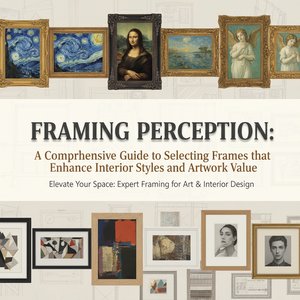
Framing Perception: A Comprehensive Guide to Selecting Frames that Enhance Interior Styles and Artwork Value
Elevate your space with expert art framing guidance! Discover how to choose frames that enhance artwork & interior design, protect valuable pieces, and create stunning displays. Trusted advice for designers & collectors.

Rámečky z akrylu vs. dřeva – Průvodce pro náročné sběratele elegantními nadčasovými styly | F.A.Q.
Průvodce pro náročné sběratele umění. Porovnání akrylových a dřevěných rámů, tipy na výběr od a rady pro zachování hodnoty vašeho uměleckého pokladu.