

 Náhled
 Sdílet
 Sdílet
 Podrobnosti o díle

 Stáhnout
 Podobné položky
 Rentgenové snímky
 Slideshow
The Rainbow (also known as Rainbow over Burnley)


 Zobrazit více
Giclée / Umělecký tisk
Giclée nebo plátěný tisk muzeální kvality s rychlou výrobou a flexibilními možnostmi povrchové úpravy. ( Koupit ručně malovaný obraz Koupit obrázek)




P118B $10

P118H $10

P118W $10

P438Z $10

P508JH $12

P508YH $12

P805H $10

P805Z $10

P919BZ $10

P919G $10

P919XJ $10

P959ZH $10

P968JZ $12

W106C $8

W218G $10

W218JH $8

W218Y $10

W307PJ $10

W316G $10

W316PJ $8

W316Y $10

W398PJ $8

W4111J $10

W500HY $15

W500JH $15

W692G $12

W849H $8

W940BG $15

W953PJ $8




Vyberte si z našich přednastavených velikostí, které odpovídají původním proporcím díla.

Můžete zadat vlastní rozměry tak, aby výtvor odpovídal konkrétnímu rámu nebo prostoru. Pokud zvolená velikost nebude odpovídat poměru stran původního obrazu, dílo buď ořížeme, nebo obraz rozšíříme pomocí zrcadlového efektu či jednobarevného okraje. Před zahájením výroby vám bude zaslán digitální náhled k schválení.
Mějte prosím na paměti, že náhled na obrazovce neodráží skutečné oříznutí nebo rozšíření. Pouze digitální náhled přesně zobrazí finální kompozici.
Ačkoliv jsou k dispozici i vlastní rozměry, pro zachování původních proporcí doporučujeme vybrat si rozměr z předdefinovaného seznamu.
Celosvětové doručení () do 2 týdnů namísto standardních 4/5 týdnů. (24 srpen)

Zdarma celosvětová expresní doprava

Vysoce kvalitní lněné plátno

Kompletní přepravní pojištění

Záruka vrácení celního poplatku

Záruka přesného barevného shodu

60denní lhůta pro vrácení zboží (pouze při vadách výroby)

100% garance vrácení peněz

Sleva při hromadné objednávce
 Skleněná varianta je dostupná pouze u rozměrů menších než 110 cm

The Rainbow (also known as Rainbow over Burnley)
Giclée / Umělecký tisk
Rozměry reprodukce
-


Celková cena za výběr
$ 80
Popis sběratelského kousku
A Celestial Spectacle Over the Australian Landscape
In the annals of Australian impressionism, few works capture the fleeting majesty of the natural world as poignantly as Frederick McCubbin’s The Rainbow, also known as Rainbow over Burnley. Painted in 1910, this evocative oil on panel serves as a breathtaking window into a moment where the heavens and the earth collide in a display of atmospheric drama. The composition is dominated by a sweeping, vibrant rainbow that arches across the sky, acting as a bridge between the turbulent, swirling clouds above and the grounded reality of the landscape below. McCubbin masterfully captures a sense of transition, where the heavy, bruised tones of an approaching or receding storm give way to a sudden, luminous clarity. The scene is set against the backdrop of the Burnley quarry, a significant industrial site in Melbourne during the early 20th century, providing a profound contrast between the raw, man-made scars of industry and the unbridled, ethereal beauty of the meteorological phenomenon.
The artistry of McCubbin is most evident in his sophisticated command of light and texture. Utilizing an impressionistic approach, he employs loose, expressive brushstrokes that prioritize the sensation of movement over rigid anatomical or architectural detail. The technique involves a rhythmic interplay of thick and thin paint applications, creating a tactile surface that seems to vibrate with life. His palette is a masterful study in color harmony; deep blues and verdant greens evoke a sense of profound serenity, while the rainbow itself introduces a spectrum of vivid, saturated hues that pierce through the atmospheric haze. This wet-on-wet technique allows colors to bleed and blend softly into one another, producing an ethereal, dreamlike quality that mimics the way light scatters through moisture in the air, making the entire sky feel as though it is breathing.
Symbolism and the Emotional Resonance of Nature
Beyond its visual splendor, The Rainbow carries a deep symbolic weight that speaks to the Australian identity and the human condition. The juxtaposition of the industrial Burnley quarry with the celestial rainbow serves as a powerful metaphor for the tension between progress and preservation. It invites the viewer to contemplate the resilience of natural beauty even amidst the encroachment of industrialization. There is an inherent sense of awe and perhaps a touch of apprehension in the swirling, dark cloud formations, reminding us of the immense, uncontrollable forces of nature that dwarf human endeavors. Yet, the presence of the rainbow offers a counter-narrative of hope, promise, and renewal, suggesting that even after the most turbulent storms, light and color will inevitably return.
For the discerning collector or interior designer, this masterpiece offers more than just aesthetic appeal; it provides an emotional anchor for any space. The painting’s ability to evoke both tranquility and dynamic energy makes it a versatile centerpiece for sophisticated decor. Whether placed in a quiet study to inspire contemplation or in a grand living area to serve as a conversation piece, the work brings a sense of historical depth and natural grandeur. Owning a high-quality reproduction of this McCubbin classic allows one to invite the spirit of the Australian landscape into their home, celebrating a legacy of light, color, and the enduring magic of the sky.
Biografie umělce
Frederick McCubbin (1855-1917): A Life Rooted in the Australian Landscape
Frederick McCubbin, born in Melbourne on February 25th, 1855, stands as a cornerstone of Australian art, inextricably linked to the nation’s evolving identity and its unique visual language. His journey from humble beginnings – the son of bakers who instilled in him a strong work ethic – to becoming a pivotal figure in the Heidelberg School is a testament to his dedication and artistic vision. McCubbin's early life was marked by diverse experiences, working as a solicitor’s clerk and assisting in the family bakery before fully embracing his calling as a painter. These formative years, though seemingly disparate, imbued him with a deep understanding of everyday Australian life, a theme that would resonate profoundly throughout his oeuvre. He received foundational training at the National Gallery of Victoria's School of Design, studying under esteemed artists like Eugene von Guerard and George Folingsby, honing his skills in landscape painting while absorbing the prevailing artistic currents of the time. A crucial turning point arrived with his enduring friendship with Tom Roberts, a bond that would shape the course of Australian art history.Early Influences and Artistic Formation
McCubbin’s formative years instilled within him not only practical skills but also a profound appreciation for observation and detail—qualities that would prove invaluable in his subsequent artistic endeavors. His education at William Willmott's West Melbourne Common School and St. Paul’s School provided him with a solid academic grounding, while his apprenticeship as a coach painter exposed him to the craft of visual representation. Crucially, he encountered Louis Buvelot, a Swiss-born artist whose naturalistic landscapes of the domesticated Australian countryside had a significant impact on McCubbin's artistic sensibilities. This encounter fostered an interest in capturing the essence of place and conveying its atmosphere—a preoccupation that would characterize much of his work throughout his career. The School of Design at Carlton, where he studied under Thomas Clark and George Folingsby, further honed his technique and introduced him to the stylistic conventions of academic painting, albeit one that McCubbin swiftly transcended.The Heidelberg School: Pioneering Impressionism in Australia
McCubbin’s artistic breakthrough occurred in 1885 with the establishment of Box Hill Artists' Camp alongside Tom Roberts, Arthur Streeton and Charles Conder—a pivotal moment in the genesis of the Heidelberg School movement. Rejecting the rigid formalism of European academic art, these artists sought to depict Australian life and landscapes with unprecedented immediacy and authenticity. They ventured into the bushland surrounding Melbourne, embracing the rugged beauty and challenging conditions of the Australian environment. McCubbin’s contribution during this period was instrumental in defining a distinctly Australian aesthetic—one characterized by loose brushwork, vibrant color palettes, and a focus on capturing fleeting moments of light and atmosphere. Paintings like *Down on His Luck* (1889) and *On the Wallaby Track* (1896) exemplify this approach, portraying scenes of rural life with remarkable sensitivity and detail—scenes that simultaneously celebrate the splendor of nature and convey the hardships endured by ordinary Australians. The Heidelberg School’s rejection of academic conventions was a deliberate assertion of artistic independence and a commitment to representing Australia in its own terms.Major Achievements and Artistic Legacy
McCubbin's oeuvre encompasses a remarkable range of subjects—from intimate portraits to monumental history paintings—each imbued with a distinctive stylistic signature. However, he is perhaps best remembered for his landscapes, particularly those depicting the Australian bush during the late 1890s and early 1900s. His masterpiece *The Pioneer* (1904), commissioned by the Commonwealth Government to commemorate Australia Day, stands as an iconic representation of this era—a painting that captures the spirit of exploration and settlement with breathtaking grandeur. McCubbin’s ability to convey emotion and atmosphere through color and brushwork cemented his reputation as one of Australia's foremost landscape painters. His influence extended beyond his own artistic output; he mentored numerous aspiring artists, fostering a tradition of Australian Impressionism that continues to inspire creativity today. Furthermore, McCubbin’s work played a crucial role in shaping the national iconography of Australia—particularly through depictions of pioneering life and the heroic struggles of early settlers—contributing to the formation of a mythic narrative about the nation's origins. His enduring legacy resides not only in his stunning visual creations but also in his unwavering commitment to capturing the soul of Australia—a mission that continues to resonate with audiences worldwide.
Frederick McCubbin
1855 - 1917 , Austrálie
Rychlé fakta
- Artistic Movement Or Style: Heidelberská škola
- Artists Who Influenced This Artist:
- Eugene von Guerard
- George Folingsby
- Date Of Birth: 25 února 1855
- Date Of Death: 20 prosince 1917
- Full Name: Frederick McCubbin
- Nationality: Australský
- Notable Artworks:
- On the Wallaby Track
- Down on His Luck
- The Pioneer
- Place Of Birth: Melbourne, Austrálie
Související články

Top 10 impresionistických krajin: Mistrovská díla, která změnila umění | OriginalUniqueArt.cz
Prozkoumejte 10 ikonických impresionistických krajin od Monet, Renoir a dalších. Objevte příběhy umělců, techniky a barvy, které definovaly toto revoluční hnutí. Najděte dokonalý obraz pro váš interiér na OriginalUniqueArt.cz

Top 10 impresionistických krajin: Mistrovská díla, která změnila umění | OriginalUniqueArt
Prozkoumejte 10 ikonických impresionistických krajin od Monet, Renoir a dalších. Objevte příběhy umělců, techniky a barevnost tohoto revolučního hnutí. Najděte perfektní obraz pro váš interiér na OriginalUniqueArt.com

Evocations of Place: A Historical Journey Through Landscape Art
Explore the rich history of landscape art with OriginalUniqueArt. Discover renowned artists, movements like Impressionism & Romanticism, and expert guidance for collecting timeless pieces. Find your perfect serene escape today!
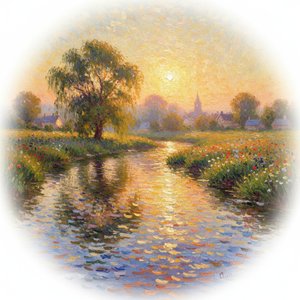
Capturing Light: A Masterclass in the Ethereal Beauty of Impressionistic Landscapes
Explore the ethereal beauty of Impressionist landscapes. Discover how masters like Monet captured fleeting light through color and texture, and learn to curate these timeless, luminous masterpieces for your home collection.

Romantická krajina v malbě: 10 mistrovských děl, které definovaly umělecký proud | OriginalUniqueArt
Prozkoumejte 10 ikonických děl romantické krajinářské malby! Objevte příběhy Caspara Davida Friedricha, Turnera a dalších mistrů. Reprodukce obrazů nejvyšší kvality pro váš interiér na OriginalUniqueArt.com.


