

 Zobrazit v interiéru
 Odeslat
 Sdílet
 Podrobnosti
 Průvodce

 Stáhnout obrázek
 Podobné kousky
 Rentgenové snímky
 Slideshow
 Statistiky
The Old Stone Crusher (also known as The Quarry)


 Přečíst si více
Giclée / Umělecký tisk
Giclée nebo plátěný tisk muzeální kvality s rychlou výrobou a širokou nabídkou povrchových úprav. ( Objednat ručně malovanou reprodukci Přepnout na digitální verzi obrazu)




P118B $10

P118H $10

P118W $10

P438Z $10

P508JH $12

P508YH $12

P805H $10

P805Z $10

P919BZ $10

P919G $10

P919XJ $10

P959ZH $10

P968JZ $12

W106C $8

W218G $10

W218JH $8

W218Y $10

W307PJ $10

W316G $10

W316PJ $8

W316Y $10

W398PJ $8

W4111J $10

W500HY $15

W500JH $15

W692G $12

W849H $8

W940BG $15

W953PJ $8




Vyberte si z našich přednastavených velikostí, které odpovídají původním proporcím díla.

Můžete zadat vlastní rozměry tak, aby výtvor odpovídal konkrétnímu rámu nebo prostoru. Pokud zvolená velikost nebude odpovídat poměru stran původního obrazu, dílo buď ořížeme, nebo obraz rozšíříme pomocí zrcadlového efektu či jednobarevného okraje. Před zahájením výroby vám bude zaslán digitální náhled k schválení.
Mějte prosím na paměti, že náhled na obrazovce neodráží skutečné oříznutí nebo rozšíření. Pouze digitální náhled přesně zobrazí finální kompozici.
Ačkoliv jsou k dispozici i vlastní rozměry, pro zachování původních proporcí doporučujeme vybrat si rozměr z předdefinovaného seznamu.
Celosvětové doručení () do 2 týdnů namísto standardních 4/5 týdnů. (26 září)

Zdarma celosvětová expresní doprava

Vysoce kvalitní lněné plátno

Úplné pojištění přepravy

Záruka vrácení celního poplatku

Záruka věrného barevného shodu

100dení lhůta pro vrácení zboží (pouze při vadách výroby)

100% garance vrácení peněz

Sleva při více objednávkách
 Skleněná varianta je dostupná pouze u rozměrů menších než 110 cm

The Old Stone Crusher (also known as The Quarry)
Giclée / Umělecký tisk
Velikost reprodukce
-


Celková cena
$ 80
The Old Stone Crusher (also known as The Quarry) – A Portrait of Rural Labor and Australian Identity
Frederick McCubbin’s “The Old Stone Crusher,” painted in 1911, stands as a quintessential example of the Heidelberg School’s artistic vision—a movement that championed realism alongside lyrical Impressionism to capture the spirit of Australia’s burgeoning landscape. Currently residing at the Art Gallery of South Australia in Adelaide, this oil on canvas masterpiece transcends mere depiction; it embodies a profound meditation on rural life and its role in shaping the nation's cultural consciousness.
Subject Matter and Setting: The painting transports viewers to Burnley Quarry, Victoria—a site vital for supplying basalt stone used extensively in Melbourne’s construction projects. McCubbin meticulously portrays a scene of industrious labor: men hauling heavy loads from a stone crusher atop a hill, accompanied by horses diligently transporting materials. This juxtaposition isn't accidental; it speaks directly to the realities of Australian settlement and the importance of manual labor in building a prosperous nation.
Style and Technique – Heidelberg School Aesthetics: McCubbin’s stylistic approach aligns perfectly with the Heidelberg School’s ethos—characterized by diffused light, muted color palettes, and an unwavering commitment to capturing the essence of the Australian bush. He employs a technique rooted in observation and meticulous layering. Initial sketches established a warm tonal base using pigments like sienna and white, followed by gradual application of color through knife painting – a method favored by McCubbin himself—resulting in translucent glazes that reveal underlying hues. This painstaking process ensured maximum fidelity to the natural world while simultaneously conveying an atmosphere of quiet contemplation.
Symbolism and Emotional Resonance: Beyond its visual representation, “The Old Stone Crusher” carries symbolic weight. The crushed stone symbolizes both physical toil and the transformative power of industry—a force shaping the Australian landscape. Simultaneously, the horses embody a connection to the pastoral past, representing Australia’s agricultural heritage alongside the burgeoning urban center. McCubbin's masterful use of light and shadow contributes significantly to the painting's emotional impact, fostering a sense of melancholy beauty that lingers long after viewing.
Comparisons with Other Artists: While influenced by artists like Hans Heysen who focused on geological formations, McCubbin’s work distinguishes itself through its portrayal of human activity within the landscape. His son Louis McCubbin noted that McCubbin's technique involved “scumbles” – applying pigment thinly to create a luminous effect—a method mirroring those employed by Impressionist painters like Claude Monet. The painting’s acquisition by the Art Gallery of South Australia in 1943 underscores its enduring significance as a cornerstone of Australian art history.
Further Exploration: For deeper insights into Frederick McCubbin and his artistic legacy, visit OriginalUniqueArt.com to discover more about his oeuvre and explore reproductions of his celebrated works.
Biografie umělce
Frederick McCubbin (1855-1917): A Life Rooted in the Australian Landscape
Frederick McCubbin, born in Melbourne on February 25th, 1855, stands as a cornerstone of Australian art, inextricably linked to the nation’s evolving identity and its unique visual language. His journey from humble beginnings – the son of bakers who instilled in him a strong work ethic – to becoming a pivotal figure in the Heidelberg School is a testament to his dedication and artistic vision. McCubbin's early life was marked by diverse experiences, working as a solicitor’s clerk and assisting in the family bakery before fully embracing his calling as a painter. These formative years, though seemingly disparate, imbued him with a deep understanding of everyday Australian life, a theme that would resonate profoundly throughout his oeuvre. He received foundational training at the National Gallery of Victoria's School of Design, studying under esteemed artists like Eugene von Guerard and George Folingsby, honing his skills in landscape painting while absorbing the prevailing artistic currents of the time. A crucial turning point arrived with his enduring friendship with Tom Roberts, a bond that would shape the course of Australian art history.Early Influences and Artistic Formation
McCubbin’s formative years instilled within him not only practical skills but also a profound appreciation for observation and detail—qualities that would prove invaluable in his subsequent artistic endeavors. His education at William Willmott's West Melbourne Common School and St. Paul’s School provided him with a solid academic grounding, while his apprenticeship as a coach painter exposed him to the craft of visual representation. Crucially, he encountered Louis Buvelot, a Swiss-born artist whose naturalistic landscapes of the domesticated Australian countryside had a significant impact on McCubbin's artistic sensibilities. This encounter fostered an interest in capturing the essence of place and conveying its atmosphere—a preoccupation that would characterize much of his work throughout his career. The School of Design at Carlton, where he studied under Thomas Clark and George Folingsby, further honed his technique and introduced him to the stylistic conventions of academic painting, albeit one that McCubbin swiftly transcended.The Heidelberg School: Pioneering Impressionism in Australia
McCubbin’s artistic breakthrough occurred in 1885 with the establishment of Box Hill Artists' Camp alongside Tom Roberts, Arthur Streeton and Charles Conder—a pivotal moment in the genesis of the Heidelberg School movement. Rejecting the rigid formalism of European academic art, these artists sought to depict Australian life and landscapes with unprecedented immediacy and authenticity. They ventured into the bushland surrounding Melbourne, embracing the rugged beauty and challenging conditions of the Australian environment. McCubbin’s contribution during this period was instrumental in defining a distinctly Australian aesthetic—one characterized by loose brushwork, vibrant color palettes, and a focus on capturing fleeting moments of light and atmosphere. Paintings like *Down on His Luck* (1889) and *On the Wallaby Track* (1896) exemplify this approach, portraying scenes of rural life with remarkable sensitivity and detail—scenes that simultaneously celebrate the splendor of nature and convey the hardships endured by ordinary Australians. The Heidelberg School’s rejection of academic conventions was a deliberate assertion of artistic independence and a commitment to representing Australia in its own terms.Major Achievements and Artistic Legacy
McCubbin's oeuvre encompasses a remarkable range of subjects—from intimate portraits to monumental history paintings—each imbued with a distinctive stylistic signature. However, he is perhaps best remembered for his landscapes, particularly those depicting the Australian bush during the late 1890s and early 1900s. His masterpiece *The Pioneer* (1904), commissioned by the Commonwealth Government to commemorate Australia Day, stands as an iconic representation of this era—a painting that captures the spirit of exploration and settlement with breathtaking grandeur. McCubbin’s ability to convey emotion and atmosphere through color and brushwork cemented his reputation as one of Australia's foremost landscape painters. His influence extended beyond his own artistic output; he mentored numerous aspiring artists, fostering a tradition of Australian Impressionism that continues to inspire creativity today. Furthermore, McCubbin’s work played a crucial role in shaping the national iconography of Australia—particularly through depictions of pioneering life and the heroic struggles of early settlers—contributing to the formation of a mythic narrative about the nation's origins. His enduring legacy resides not only in his stunning visual creations but also in his unwavering commitment to capturing the soul of Australia—a mission that continues to resonate with audiences worldwide.
Frederick McCubbin
1855 - 1917 , Austrálie
Rychlé informace
- Artistic Movement Or Style: Heidelberská škola
- Artists Who Influenced This Artist:
- Eugene von Guerard
- George Folingsby
- Date Of Birth: 25 února 1855
- Date Of Death: 20 prosince 1917
- Full Name: Frederick McCubbin
- Nationality: Australský
- Notable Artworks:
- On the Wallaby Track
- Down on His Luck
- The Pioneer
- Place Of Birth: Melbourne, Austrálie
Související články

Cultivating Visions: A Historical Journey Through Rural Landscapes in Art
Explore the rich history of rural landscape painting with OriginalUniqueArt. Discover Impressionist masterpieces, key artists & movements. Find your perfect serene artwork and bring nature's beauty home.

Evoking Nature's Sublime: A Comprehensive Exploration of 19th-Century Landscape Painting
Explore the captivating world of 19th-century landscape painting! Discover renowned artists like Friedrich & Monet, key movements, and find the perfect artwork to bring nature's serenity into your home. Expert insights at OriginalUniqueArt.
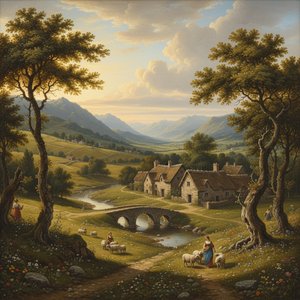
Evoking Arcadia: A Historical & Aesthetic Exploration of Rural Landscape Art
Explore the rich history of pastoral landscape art, from classical Arcadia to Impressionism & beyond. Discover key artists, movements, and how to collect serene rural scenes for your home. Expert insights at OriginalUniqueArt.

John Constable: 25 mistrovských děl krajinářské poezie | OriginalUniqueArt.com
Prozkoumejte 25 ikonických děl Johna Constabla, mistra anglického krajinářství a romantismu. Obdivujte jeho olejomalby, plátna s venkovskou atmosférou a inspirujte se pro dekoraci interiéru. Reprodukce obrazů nejvyšší kvality na OriginalUniqueArt.com

Romantická krajina v malbě: 10 mistrovských děl, které definovaly umělecký proud | OriginalUniqueArt
Prozkoumejte 10 ikonických děl romantické krajinářské malby! Objevte příběhy Caspara Davida Friedricha, Turnera a dalších mistrů. Reprodukce obrazů nejvyšší kvality pro váš interiér na OriginalUniqueArt.com.
