

 Zobrazit v interiéru
 Odeslat
 Sdílet
 Podrobnosti
 Průvodce

 Stáhnout obrázek
 Podobné kousky
 Rentgenové snímky
 Slideshow
 Statistiky
On the wallaby track
 Acrylic On Canvas
- WallArt
- Heidelberg School
 1896
1896- 19th Century
 176.0 x 278.0 cm
 Umělecká galerie Nového Jižního Walesu
 Přečíst si více
Giclée / Umělecký tisk
Giclée nebo plátěný tisk muzeální kvality s rychlou výrobou a širokou nabídkou povrchových úprav. ( Objednat ručně malovanou reprodukci Přepnout na digitální verzi obrazu)




P118B Kč10

P118H Kč10

P118W Kč10

P438Z Kč10

P508JH Kč12

P508YH Kč12

P805H Kč10

P805Z Kč10

P919BZ Kč10

P919G Kč10

P919XJ Kč10

P959ZH Kč10

P968JZ Kč12

W106C Kč8

W218G Kč10

W218JH Kč8

W218Y Kč10

W307PJ Kč10

W316G Kč10

W316PJ Kč8

W316Y Kč10

W398PJ Kč8

W4111J Kč10

W500HY Kč15

W500JH Kč15

W692G Kč12

W849H Kč8

W940BG Kč15

W953PJ Kč8




Vyberte si z našich přednastavených velikostí, které odpovídají původním proporcím díla.

Zadejte šířku a výšku, které potřebujete pro váš rám nebo stěnu. Tisk lze pouze oříznout, nikdy však nelze zvětšit obraz nad jeho původní rozměr, proto při výběru jiného formátu dochází ke ztrátě části obrazu. Před samotným tiskem vám zašleme digitální náhled k schválení. Obraz zobrazený na této stránce nenabízí skutečný výřez — ten uvidíte pouze v náhledu.
Celosvětové doručení () do 2 týdnů namísto standardních 4/5 týdnů. (21 říjen)

Zdarma celosvětová expresní doprava

Vysoce kvalitní lněné plátno

Úplné pojištění přepravy

Záruka vrácení celního poplatku

Záruka věrného barevného shodu

100dení lhůta pro vrácení zboží (pouze při vadách výroby)

100% garance vrácení peněz

Sleva při více objednávkách
 Skleněná varianta je dostupná pouze u rozměrů menších než 110 cm

On the wallaby track
Giclée / Umělecký tisk
Velikost reprodukce
-


Celková cena
Kč 1700
A Moment Suspended in the Australian Bush
To gaze upon On the wallaby track is to be gently ushered into a sun-dappled moment of profound stillness within the vast, embracing landscape of colonial Australia. This masterful painting by Frederick McCubbin captures more than just a scene; it encapsulates a feeling—the quiet resilience of life continuing amidst the grandeur and occasional harshness of nature. The composition centers on a tender tableau: a woman seated upon the earth, cradling her baby close to her heart. Her posture speaks volumes of weariness mixed with deep maternal connection, suggesting a necessary pause during a journey through the bushland. In the background, two male figures stand near the shelter of trees and rocks, their presence adding a narrative depth—are they guides, companions, or simply observers? The entire scene breathes with an evident empathy for the rhythms of rural labouring life, making it instantly relatable to anyone who has ever found solace in open air.
The Heart of Heidelberg School Realism
Painted in 1896, this work stands as a quintessential example of the Heidelberg School movement. McCubbin, a principal figure within this influential group, was instrumental in defining a distinctly Australian visual language for art. The style eschews academic formality for an immediacy and naturalism that speaks directly to the local experience. His technique is characterized by a masterful handling of light—the way sunlight filters through unseen foliage, dappling the grass beneath the woman’s resting place. This attention to atmospheric detail, combined with his commitment to depicting everyday Australian life, elevated genre painting to a level of national significance. For collectors and designers alike, this piece offers not merely decoration, but a tangible piece of cultural history rendered with breathtaking technical skill.
Symbolism of Connection and Journey
The symbolism woven into On the wallaby track is rich and multi-layered. The mother and child represent continuity, the enduring cycle of life that persists regardless of external challenges. Their grounded placement emphasizes a deep connection to the land itself—the earth beneath them seems as much a part of their repose as they are. Conversely, the men in the background, framed by the sturdy permanence of rock and tree, suggest community and shared endeavor. The title itself hints at movement, suggesting that this moment of rest is temporary, a breath taken before continuing along life’s winding path. It speaks to the pioneering spirit, the necessary reliance on one another, and the enduring beauty found in simple human connection.
An Emotional Resonance for Modern Spaces
For those seeking art that transcends mere aesthetics, this reproduction offers profound emotional resonance. Its warm palette—the ochres of the earth, the deep greens of the foliage, and the soft tones of skin—lends itself beautifully to creating an atmosphere of calm contemplation within any interior space. Whether placed in a study evoking scholarly reflection or a living area desiring a connection to nature, this painting acts as a visual anchor. It invites the viewer to slow down, to breathe deeply, and to appreciate the quiet dignity found in moments of rest amidst the grand sweep of existence.
Otázky a odpovědi
Umožňuje autorské právo k dílu „On the wallaby track“ od Frederick McCubbin jeho reprodukce?
Originál díla „On the wallaby track“ se nachází v instituci Umělecká galerie Nového Jižního Walesu a toto dílo je patří do volného užití – autorská práva vypršela.
Z jakého historického období pochází „On the wallaby track“ od Frederick McCubbin?
Dílo „On the wallaby track“ od Frederick McCubbin pochází z období 19th Century. Toto období poskytuje historický kontext díla.
Má dílo „On the wallaby track“ náhled v rozšířené realitě?
Dílo „On the wallaby track“ od Frederick McCubbin si můžete prohlédnout přímo na své vlastní stěně díky stránce Náhled v AR s využitím rozšířené reality na kompatibilním zařízení.
Biografie umělce
Frederick McCubbin (1855-1917): A Life Rooted in the Australian Landscape
Frederick McCubbin, born in Melbourne on February 25th, 1855, stands as a cornerstone of Australian art, inextricably linked to the nation’s evolving identity and its unique visual language. His journey from humble beginnings – the son of bakers who instilled in him a strong work ethic – to becoming a pivotal figure in the Heidelberg School is a testament to his dedication and artistic vision. McCubbin's early life was marked by diverse experiences, working as a solicitor’s clerk and assisting in the family bakery before fully embracing his calling as a painter. These formative years, though seemingly disparate, imbued him with a deep understanding of everyday Australian life, a theme that would resonate profoundly throughout his oeuvre. He received foundational training at the National Gallery of Victoria's School of Design, studying under esteemed artists like Eugene von Guerard and George Folingsby, honing his skills in landscape painting while absorbing the prevailing artistic currents of the time. A crucial turning point arrived with his enduring friendship with Tom Roberts, a bond that would shape the course of Australian art history.Early Influences and Artistic Formation
McCubbin’s formative years instilled within him not only practical skills but also a profound appreciation for observation and detail—qualities that would prove invaluable in his subsequent artistic endeavors. His education at William Willmott's West Melbourne Common School and St. Paul’s School provided him with a solid academic grounding, while his apprenticeship as a coach painter exposed him to the craft of visual representation. Crucially, he encountered Louis Buvelot, a Swiss-born artist whose naturalistic landscapes of the domesticated Australian countryside had a significant impact on McCubbin's artistic sensibilities. This encounter fostered an interest in capturing the essence of place and conveying its atmosphere—a preoccupation that would characterize much of his work throughout his career. The School of Design at Carlton, where he studied under Thomas Clark and George Folingsby, further honed his technique and introduced him to the stylistic conventions of academic painting, albeit one that McCubbin swiftly transcended.The Heidelberg School: Pioneering Impressionism in Australia
McCubbin’s artistic breakthrough occurred in 1885 with the establishment of Box Hill Artists' Camp alongside Tom Roberts, Arthur Streeton and Charles Conder—a pivotal moment in the genesis of the Heidelberg School movement. Rejecting the rigid formalism of European academic art, these artists sought to depict Australian life and landscapes with unprecedented immediacy and authenticity. They ventured into the bushland surrounding Melbourne, embracing the rugged beauty and challenging conditions of the Australian environment. McCubbin’s contribution during this period was instrumental in defining a distinctly Australian aesthetic—one characterized by loose brushwork, vibrant color palettes, and a focus on capturing fleeting moments of light and atmosphere. Paintings like *Down on His Luck* (1889) and *On the Wallaby Track* (1896) exemplify this approach, portraying scenes of rural life with remarkable sensitivity and detail—scenes that simultaneously celebrate the splendor of nature and convey the hardships endured by ordinary Australians. The Heidelberg School’s rejection of academic conventions was a deliberate assertion of artistic independence and a commitment to representing Australia in its own terms.Major Achievements and Artistic Legacy
McCubbin's oeuvre encompasses a remarkable range of subjects—from intimate portraits to monumental history paintings—each imbued with a distinctive stylistic signature. However, he is perhaps best remembered for his landscapes, particularly those depicting the Australian bush during the late 1890s and early 1900s. His masterpiece *The Pioneer* (1904), commissioned by the Commonwealth Government to commemorate Australia Day, stands as an iconic representation of this era—a painting that captures the spirit of exploration and settlement with breathtaking grandeur. McCubbin’s ability to convey emotion and atmosphere through color and brushwork cemented his reputation as one of Australia's foremost landscape painters. His influence extended beyond his own artistic output; he mentored numerous aspiring artists, fostering a tradition of Australian Impressionism that continues to inspire creativity today. Furthermore, McCubbin’s work played a crucial role in shaping the national iconography of Australia—particularly through depictions of pioneering life and the heroic struggles of early settlers—contributing to the formation of a mythic narrative about the nation's origins. His enduring legacy resides not only in his stunning visual creations but also in his unwavering commitment to capturing the soul of Australia—a mission that continues to resonate with audiences worldwide.
Frederick McCubbin
1855 - 1917 , Austrálie
Rychlé informace
- Artistic Movement Or Style: Heidelberská škola
- Artists Who Influenced This Artist:
- Eugene von Guerard
- George Folingsby
- Date Of Birth: 25 února 1855
- Date Of Death: 20 prosince 1917
- Full Name: Frederick McCubbin
- Nationality: Australský
- Notable Artworks:
- On the Wallaby Track
- Down on His Luck
- The Pioneer
- Place Of Birth: Melbourne, Austrálie
Související články

The Sublime Landscape: Exploring the Hudson River School Movement
Explore the captivating world of the Hudson River School! Discover the history, artists, and defining characteristics of this iconic American art movement. Learn about Romanticism's influence & find inspiration for your collection.

John Constable: 25 mistrovských děl krajinářské poezie | OriginalUniqueArt.com
Prozkoumejte 25 ikonických děl Johna Constabla, mistra anglického krajinářství a romantismu. Obdivujte jeho olejomalby, plátna s venkovskou atmosférou a inspirujte se pro dekoraci interiéru. Reprodukce obrazů nejvyšší kvality na OriginalUniqueArt.com

Evocations of Place: A Historical Journey Through Landscape Art
Explore the rich history of landscape art with OriginalUniqueArt. Discover renowned artists, movements like Impressionism & Romanticism, and expert guidance for collecting timeless pieces. Find your perfect serene escape today!

Romantická krajina v malbě: 10 mistrovských děl, které definovaly umělecký proud | OriginalUniqueArt
Prozkoumejte 10 ikonických děl romantické krajinářské malby! Objevte příběhy Caspara Davida Friedricha, Turnera a dalších mistrů. Reprodukce obrazů nejvyšší kvality pro váš interiér na OriginalUniqueArt.com.
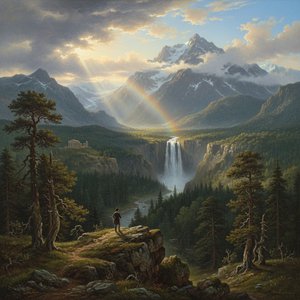
Evoking Nature's Sublime: A Comprehensive Exploration of 19th-Century Landscape Painting
Explore the captivating world of 19th-century landscape painting! Discover renowned artists like Friedrich & Monet, key movements, and find the perfect artwork to bring nature's serenity into your home. Expert insights at OriginalUniqueArt.
