
 Zobrazit v interiéru
 Odeslat
 Sdílet
 Podrobnosti
 Průvodce

 Stáhnout obrázek
 Podobné kousky
 Rentgenové snímky
 Slideshow
 Statistiky
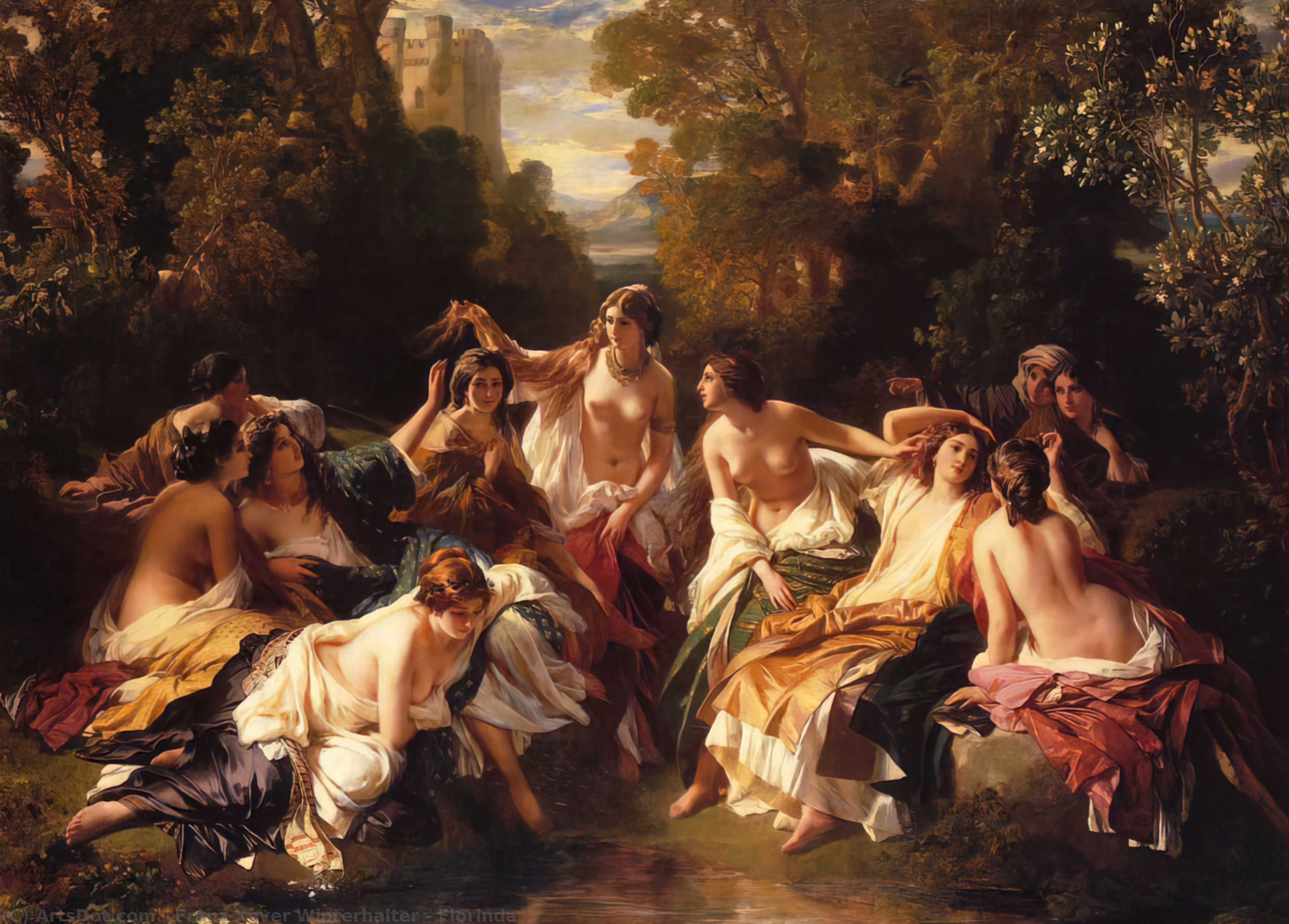
Florinda
 Olej na plátně
- Obrazová tvorba na stěnu
- Romantic Realism
 1853
1853- 19. století
 178.0 x 246.0 cm
 Metropolitní muzeum umění
 Přečíst si více
Zakupte si digitální obraz ve vysokém rozlišení a vylepšeném provedení, který nabízí mnohem vyšší kvalitu než online náhled.
Každý soubor je pečlivě připraven našimi specialisty s využitím pokročilých nástrojů a odborné manuální retuše. Zajišťujeme, aby každý obraz disponoval výjimečnou ostrostí, přesnou barevnou věrností a jemnými detaily.
Finální soubor vám bude do 72 hodin zaslán e-mailem, optimalizovaný pro okamžité použití v profesionálním, redakčním i tiskovém prostředí. Nabízíme stejnou kvalitu, které důvěřují špičková designová studia, nakladatelství i galerie.
Digitální obrazy
Stáhněte si soubor ve vysokém rozlišení pro osobní prohlížení, tisk a kreativní projekty. ( Přepnout na tiskové verze Objednat ručně malovanou reprodukci)
Součást každé objednávky digitálního obrazu
Exponenciální digitální doručení, zaručené
Když si vyberete OriginalUniqueArt.com, nezískáváte pouze obrázek – získáváte digitální umělecké dílo s profesionálně vylepšenými detaily, zpracované s precizností a podpořené zárukou za spokojenost. Zde je vše, co vaše objednávka automaticky obsahuje:

Bleskové doručení e-mailem
Váš digitální obraz ve vysokém rozlišení vám bude zaslán e-mailem do 72 hodin od objednávky – připraven k okamžitému použití.

Digitální soubor s podporou AI
Vaše umělecké dílo je profesionálně optimalizováno pomocí pokročilých nástrojů umělé inteligence a manuální úpravy, což zajišťuje maximální úroveň detailu, ostrosti a přesnosti barev.

Doživotní bezplatné znovuodeslání
Soubor jste omylem smazali nebo ztratili? Žádný problém – kdykoliv vám ho znovu zašleme zcela zdarma.

Bez poplatků za dovoz – navždy
Užijte si své umělecké dílo okamžitě bez celních poplatků, daní nebo nákladů na dopravu – digitální stažení je vždy bez daňových povinností.

Záruka přesnosti barev
Díky profesionálním nástrojům a správě barev zajišťujeme, aby váš digitální obraz odrážel původní barvy co nejvěrněji.

100dená záruka spokojenosti
Pokud nebudete s digitálním obrázkem spokojeni, provedeme jeho revizi nebo vám vrátíme 100% platby do 100 dnů – bez jakýchkoliv dotazů.

100% záruka vrácení peněz
Nespokojeni? Získejte plnou náhradu peněz do 100 dnů od obdržení digitálního souboru – bez zbytečných dotazů.

Slevy při hromadných objednávkách
Při koupi 3 obrazů ušetříte 10% – Při koupi 5 obrazů ušetříte 15% – Při koupi 10+ obrazů ušetříte 20%. Ideální pro kreativní projekty, galerie a agentury.
Úžasný pohled do světa Winterhalterovy Florindy
Franz Xaver Winterhalterova "Florinda" z roku 1853 je mnohem víc než jen obraz; je to okno do elegantního a rozkošného světa 19. století, kde se setkávají královská moc a umělecká dokonalost. Tento dílo, zachycující skupinu mladých žen v idylickém prostředí, nabízí pohled na radost, přátelství a jemnou krásu, které Winterhalter mistrovsky dovedl do života na plátně. Původní obraz, nyní uložený v Metropolitan Museum of Art, je oslavou lidské krásy a harmonie s přírodou – prvky, které se v dílech tohoto umělce neustále objevují.Technika a kompozice: Harmonie světla a pohybu
Winterhalter byl známý svou precizností a pozorností k detailu, což je patrné i v "Florindě". Kompozice obrazu je dynamická a zároveň vyvážená – postavy jsou uspořádány do volného kruhu, čímž vytvářejí pocit pohybu a interakce. Umělec mistrovsky pracuje se světlem a stínem, což dodává scéně hloubku a dimenzi. Hladká pokožka postav, proudící látky jejich šatů a bohaté textury prostředí jsou důkazem Winterhalterovy technické zdatnosti a neúnavné snahy o dokonalost. Použití fluidních linií a organických tvarů vytváří dojem živosti a dynamiky, jako by se divák stal svědkem skutečného okamžiku radosti.Teplá paleta a symbolika přírody
Barvy v "Florindě" dominují teplým, zemím odstínům – hnědám, zlatům a zelením – které jsou doplněny jemnějšími tóny, vytvářející harmonickou rovnováhu. Použití světla a stínu zdůrazňuje trojrozměrnost postav i krajiny, vtahujíc diváka do obrazu. Možná je přírodní prostředí symbolizováno čistotou nebo propojením s matkou přírodou, zatímco vzdálená struktura – pravděpodobně zámek – může představovat civilizaci nebo místo významné hodnoty. Celkově se dílo snaží vyvolat pocit harmonie a klidu, což je typické pro romantický styl Winterhalterova umění.Historický kontext a královská aura
Franz Xaver Winterhalter byl uznávaný portrétista, který se specializoval na obrazy aristokratů a členů královských rodin. Jeho díla odrážela elegance a pompéznost 19. století, kdy se mocné dynastie snažily o dokonalou reprezentaci svého postavení. "Florinda" je důkazem Winterhalterovy schopnosti kombinovat realismus s romantickou fantazií – umělec mistrovsky zachycoval nejen podobu svých modelů, ale i jejich osobnost a status. Jeho práce byly velmi žádané u elity, protože dokázal vytvořit obrazy, které oslavovaly krásu a moc.Biografie umělce
A Painter of Kings and Queens: The Life and Art of Franz Xaver Winterhalter
Franz Xaver Winterhalter, born in 1805 in the secluded Black Forest village of Menzenschwand, embarked on a remarkable journey from humble beginnings to become one of Europe’s most celebrated portraitists. His story isn't merely about artistic skill; it’s a chronicle of an era – the transition from Romanticism to Victorian grandeur, where meticulous detail and carefully crafted images defined power and status. The son of a farmer and resin producer, Winterhalter’s early life was rooted in the rhythms of rural Germany, yet his innate artistic talent quickly distinguished him. A strong family bond, particularly with his painter brother Hermann, nurtured his creative spirit, while foundational training at a Benedictine monastery and later under Karl Ludwig Schüler in Freiburg provided the essential building blocks for his future success. This initial grounding proved crucial as he moved to Munich, securing support from Baron von Eichtal and ultimately studying at the Academy of Arts, though the academy’s rigid academic approach didn't fully align with his artistic vision. It was Joseph Karl Stieler, a master of fashionable portraiture, who truly shaped Winterhalter’s development during these formative years, guiding him towards capturing the elegance and sophistication that would become hallmarks of his work.From Karlsruhe to Parisian Heights: Establishing a Royal Reputation
Winterhalter's breakthrough arrived in 1828 when he was appointed drawing master to Sophie Margravine of Baden at Karlsruhe. This appointment wasn’t simply a job; it was an introduction to the intricate world of European royalty, offering him immediate access to influential patrons and a chance to hone his skills. His talent for capturing likeness with remarkable accuracy and imbuing his subjects with an air of refined elegance quickly gained recognition, leading to commissions from Grand Duke Leopold of Baden and his wife. However, it was Paris that truly cemented Winterhalter’s fame. Arriving in the French capital in the 1830s, he skillfully navigated the competitive artistic landscape, exhibiting genre scenes like *Il dolce Farniente* and *Il Decameron*. These works showcased his academic training while subtly hinting at a burgeoning Romantic sensibility – a delicate balance between tradition and innovation. He began to build a reputation for capturing the fashionable elegance of Parisian society, attracting attention from influential figures in the art world. It was during this period that he developed his signature style: a meticulous attention to detail, a luminous color palette, and an uncanny ability to render fabrics and jewels with breathtaking realism.The Victorian Embrace: A Painter of Imperial Majesty
Winterhalter’s burgeoning reputation extended beyond France, reaching the heart of the British Empire. In 1841, he was summoned to England, initiating a prolific relationship that would define his career. He became *the* portraitist for Queen Victoria and her family, creating over one hundred portraits that served as both official records and intimate glimpses into their lives. These weren’t merely formal commissions; they were carefully constructed narratives about power, status, and identity. His ability to blend realism with a subtle degree of flattery – presenting his sitters at their most idealized while retaining their individual personalities – proved irresistible to the British monarchy. The portrait of Queen Victoria in 1843, a small and exquisitely detailed work, exemplifies this skill perfectly. It’s a testament to Winterhalter's ability to capture not just physical likeness but also a sense of vulnerability and grace within the confines of royal protocol. This success solidified his position as *the* portraitist of European royalty, sought after by Empress Eugénie in France, Empress Elisabeth of Austria, and countless other noble figures across the continent.Style and Legacy: Beyond Likeness
While often criticized by artistic circles for prioritizing flattery over radical innovation, Winterhalter’s work holds a significant place in art history. His style is characterized by its meticulous detail, luminous color palette, and an extraordinary ability to capture the textures of fabrics and jewels with breathtaking realism. He skillfully blended Romantic sensibilities with Neoclassical precision, creating portraits that were both visually stunning and psychologically insightful. His paintings weren’t simply representations; they were carefully constructed narratives about power, status, and identity. Though he wasn't a revolutionary in the same vein as Delacroix or Courbet, his influence was pervasive, establishing a standard for royal portraiture that endured for decades. His works provide invaluable historical documentation of 19th-century European society, offering a captivating window into the lives of royalty and aristocracy.A Lasting Impression
Franz Xaver Winterhalter died in Frankfurt in 1873, leaving behind a vast body of work that continues to be celebrated for its technical brilliance and historical significance. His paintings can be found in prominent museums and royal collections around the world, including the National Portrait Gallery in London, the Musée d’Orsay in Paris, and Buckingham Palace. His legacy lies not just in the beauty of his portraits but also in their ability to transport us back to an era of opulent courts, intricate diplomacy, and unwavering social hierarchies. He remains a vital figure for understanding the visual culture of 19th-century Europe and the role of art in shaping perceptions of power and status.- His ability to capture the essence of his sitters, combined with his mastery of technique, ensured his place as a leading portraitist of his time.
- He established a standard for royal portraiture that endured for decades.
- His works offer invaluable insights into the lives of royalty and aristocracy.
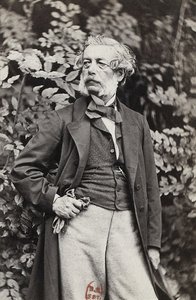
Franz Xaver Winterhalter
1805 - 1873 , Německo
Rychlé informace
- Artistic Movement Or Style: Portrétní, Romantismus
- Artists Or Movements Influenced By This Artist: ['Robertsovi']
- Artists Who Influenced This Artist: ['Stieler']
- Date Of Birth: 20. dubna 1805
- Date Of Death: 8. července 1873
- Full Name: Franz Xaver Winterhalter
- Nationality: Německý
- Notable Artworks:
- Císařovna Evženie
- Alžběta Rakouská
- Place Of Birth: Menzenschwand, Německo