
 Náhled v interiéru
 Sdílet
 Sdílet
 Podrobnosti o díle
 Průvodce

 Stáhnout
 Podobné položky
 Rentgenové snímky
 Slideshow
 Otázky a odpovědi
 Statistiky
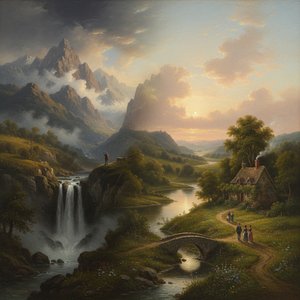
Beethoven komponující Pastýři Symfonii


 Zobrazit více
Giclée / Umělecký tisk
Giclée nebo plátěný tisk muzeální kvality s rychlou výrobou a širokou nabídkou povrchových úprav. ( Koupit ručně malovaný obraz Přepnout na digitální obraz)




P118B Kč10

P118H Kč10

P118W Kč10

P438Z Kč10

P508JH Kč12

P508YH Kč12

P805H Kč10

P805Z Kč10

P919BZ Kč10

P919G Kč10

P919XJ Kč10

P959ZH Kč10

P968JZ Kč12

W106C Kč8

W218G Kč10

W218JH Kč8

W218Y Kč10

W307PJ Kč10

W316G Kč10

W316PJ Kč8

W316Y Kč10

W398PJ Kč8

W4111J Kč10

W500HY Kč15

W500JH Kč15

W692G Kč12

W849H Kč8

W940BG Kč15

W953PJ Kč8




Vyberte si z našich přednastavených velikostí, které odpovídají původním proporcím díla.

Zadejte šířku a výšku, které potřebujete pro váš rám nebo stěnu. Tisk lze pouze oříznout, nikdy však nelze zvětšit obraz nad jeho původní rozměr, proto při výběru jiného formátu dochází ke ztrátě části obrazu. Před samotným tiskem vám zašleme digitální náhled k schválení. Obraz zobrazený na této stránce nenabízí skutečný výřez — ten uvidíte pouze v náhledu.
Celosvětové doručení () do 2 týdnů namísto standardních 4/5 týdnů. (7 listopad)

Zdarma celosvětová expresní doprava

Vysoce kvalitní lněné plátno

Kompletní pojištění přepravy

Záruka vrácení celního poplatku

Záruka věrného barevného souladu

100dení lhůta pro vrácení zboží (pouze při vadách výroby)

100% záruka vrácení peněz

Sleva při více objednávkách
 Skleněná varianta je dostupná pouze u rozměrů menších než 110 cm

Beethoven komponující Pastýři Symfonii
Giclée / Umělecký tisk
Rozměry reprodukce
-


Celková cena za vybrané možnosti reprodukcí
Kč 1763
Beethoven composing the Pastoral Symphony
Caspar David Friedrich, born in 1774 in the windswept Baltic town of Greifswald, wasn’t merely a painter; he was a translator of experience. His life, marked by profound personal loss and an intense connection to nature, became inextricably woven into the fabric of his art – a body of work that continues to resonate with viewers today as a poignant exploration of spirituality, solitude, and the sublime. Often considered the most important German artist of his generation, Friedrich’s landscapes aren't simply depictions of scenery; they are carefully constructed invitations to contemplate the mysteries of existence, rendered in a style both intensely personal and profoundly influential. Early Life and Influences: A World Shaped by Loss Friedrich’s childhood was shadowed by tragedy. The early deaths of his mother and brother instilled within him a deep sense of melancholy and an acute awareness of mortality – themes that would repeatedly surface in his art. This personal sorrow, coupled with the strict religious upbringing he received within a devout Lutheran family, profoundly shaped his worldview. He initially pursued studies at the University of Greifswald, focusing on architecture before ultimately dedicating himself to painting. Crucially, during this period, he encountered and was deeply moved by the works of Dutch masters like Jacob van Ruisdael and Jan Vermeer – artists who had mastered the subtle nuances of light and atmosphere, capturing a sense of quiet contemplation within their landscapes. These early influences instilled in him a meticulous attention to detail and a desire to evoke a specific mood or feeling through his art. Friedrich’s artistic journey truly began after he moved to Copenhagen, where he studied at the Royal Danish Academy. However, it was in Dresden, the capital of Saxony, that he established himself as an artist and developed his unique style – a cornerstone of the burgeoning German Romantic movement. Unlike the Neoclassical emphasis on reason and order, Friedrich sought to capture the emotional power of nature, prioritizing subjective experience over objective representation. His paintings are characterized by a dramatic use of light and shadow, often employing a muted palette dominated by blues, greys, and browns, creating an atmosphere of mystery and introspection. He frequently incorporated solitary figures – often dwarfed by the vastness of the landscape – into his compositions, suggesting humanity’s place within the grand scheme of nature. These figures aren't heroic or triumphant; they are vulnerable, contemplative, and deeply connected to their surroundings. Several paintings stand as particularly potent examples of Friedrich’s artistic vision. “Wanderer above the Sea of Fog” (1818), perhaps his most iconic work, depicts a solitary figure gazing out over a misty landscape, embodying both human ambition and the humbling power of nature. “The Abbey in the Oak Forest” (1809) explores themes of spirituality and decay, juxtaposing the grandeur of the ruined abbey with the dense, brooding forest. “Chalk Cliffs on Rügen” (1826), showcases his mastery of atmospheric perspective and the evocative use of light to create a sense of depth and distance. Beyond their visual beauty, these works are laden with symbolic meaning. Friedrich frequently employed motifs such as ruins, mountains, forests, and bodies of water – each carrying layers of historical, religious, and philosophical significance. He deliberately blurred the boundaries between reality and imagination, inviting viewers to engage in a dialogue with the artwork and project their own emotions and experiences onto it. The Drawing's Significance: A Reflection of Beethoven’s Inspiration The image depicts Franz Hegi’s painting “Beethoven composing the Pastoral Symphony,” created around 1839. This artwork captures a moment of profound contemplation, mirroring the spirit of Beethoven’s groundbreaking musical composition – the Pastoral Symphony No. 6. Hegi skillfully employs aquatinta etching technique to convey the serenity and grandeur of the natural setting, reflecting Beethoven's fascination with the beauty of rural life and its ability to inspire artistic creativity. The muted color palette contributes to an overall feeling of solemnity and introspection, mirroring the emotional depth found within Beethoven’s music. Historical Context: Romanticism and Its Artistic Expression Friedrich’s work emerged during the height of the German Romantic movement—a reaction against Enlightenment rationalism and a renewed appreciation for emotion, imagination, and spirituality. Artists like Friedrich sought to express inner feelings and experiences rather than simply documenting external reality. They embraced dramatic landscapes and evocative symbolism as means of conveying profound philosophical ideas about humanity's relationship with nature and God. Symbolic Layers: Solitude and Transcendence The solitary figure in “Beethoven composing the Pastoral Symphony” symbolizes human vulnerability amidst the immensity of the natural world, prompting viewers to contemplate questions of existence and spirituality. The misty landscape represents a realm beyond comprehension—a space where earthly concerns fade away and individuals can achieve a sense of transcendence. Friedrich’s art invites contemplation and encourages us to consider our place within the larger cosmos.- Artist: Franz Hegi
- Date Created: 1839
- Medium: Aquatinta
- Location: Zurich
- Rights: © Beethoven-Haus Bonn. All rights reserved.
Otázky a odpovědi
Patří dílo „Beethoven komponující Pastýři Symfonii“ mezi slavná děl směru German Romanticism?
V rámci směru German Romanticism má dílo „Beethoven komponující Pastýři Symfonii“ úroveň popularity Ikonické.
Jak si mohu stáhnout obrázek díla „Beethoven komponující Pastýři Symfonii“ od Franz Hegi?
Digitální verzi díla „Beethoven komponující Pastýři Symfonii“ od Franz Hegi si můžete stáhnout na stránce Stažení digitální verze jako stažení digitálního obrazu ve vysokém rozlišení.
Jaká témata se objevují v díle „Beethoven komponující Pastýři Symfonii“ od Franz Hegi?
„Beethoven komponující Pastýři Symfonii“ od Franz Hegi zobrazuje: beethoven, pastoral symphony, landscape painting, solitude, mountain view, atmospheric perspective, romantic art.
Biografie umělce
A Master of Line and Light
The artistry of Franz Hegi resides in the delicate intersection of precision and atmosphere, a realm where the etched line breathes life into the landscapes of Switzerland. Born in Lausanne, Switzerland, Hegi’s journey was one of movement and apprenticeship, shaped by the rich traditions of European printmaking. His early years were marked by a profound connection to the craft, beginning with an apprenticeship under the etcher Matthias Pfenninger. It was here that he mastered the nuanced technique of aquatint, a method capable of producing tonal gradations that mimic the soft washes of watercolor, allowing him to capture the ephemeral qualities of light and shadow across the Swiss terrain.
As his talent matured, Hegi’s work became an essential visual chronicle of his era. His movements through Basel and eventually back to Zürich allowed him to immerse himself in the cultural fabric of these regions. Working alongside figures such as the painter and publisher Peter Birmann, Hegi developed a keen eye for the architectural soul of Swiss towns and the intricate details of local costume. His prints were not merely aesthetic objects but historical documents, capturing the essence of Swiss architecture and the dignity of traditional dress with an almost ethnographic devotion.
The Chronicles of Zürich and Beyond
Hegi’s creative output reached a particular zenith through his dedication to documenting the cultural and historical substance of Zürich. His work often transcended simple landscape depiction, venturing into the realm of historical subjects and the preservation of memory. Through his etchings and aquatints, he brought to life the stories embedded in the city's monuments and its very streets. This passion for detail extended to his collaborations, such as his studies of the Codex Manesse, where he sought to honor the deep historical roots of the region.
The breadth of his technical skill is evident in the variety of his subjects:
- Landscape Views: Capturing the serene and rugged beauty of the Swiss countryside through masterful tonal control.
- Architectural Studies: Providing a detailed visual record of Swiss buildings and urban structures, particularly within Zürich.
- Costume Depictions: Documenting the intricate textures and cultural significance of traditional attire.
- Historical Illustrations: Contributing to almanacs, literary works, and publications like the Helvetischer Almanach, ensuring that history remained visually accessible to the public.
Beyond his individual prints, Hegi’s legacy is woven into the very fabric of Swiss visual heritage. His ability to blend the technical rigor of engraving with a romantic sensibility for nature ensured that his works would find a permanent home in prestigious institutions, including the Swiss National Library and the Kunsthaus Zürich. Through his meticulous hand, the landscapes and histories of his homeland were preserved, rendered in a timeless language of ink and light that continues to resonate with those who seek the true spirit of Switzerland.

Franz Hegi
1774 - 1850 , Switzerland
Rychlé informace o umělci
- Artistic Movement Or Style: Aquatint, engraving, and etching
- Artists Who Influenced This Artist: ['Matthias Pfenninger']
- Full Name: Franz Hegi
- Nationality: Swiss
- Notable Artworks:
- Views of Swiss landscapes
- Swiss architecture and costume studies
- Place Of Birth: Lausanne, Switzerland
- Date Of Birth: 1774
- Date Of Death: 1850
Související články

Romantická krajina v malbě: 10 mistrovských děl, které definovaly umělecký proud | OriginalUniqueArt
Prozkoumejte 10 ikonických děl romantické krajinářské malby! Objevte příběhy Caspara Davida Friedricha, Turnera a dalších mistrů. Reprodukce obrazů nejvyšší kvality pro váš interiér na OriginalUniqueArt.com.

John Constable: 25 mistrovských děl krajinářské poezie | OriginalUniqueArt.com
Prozkoumejte 25 ikonických děl Johna Constabla, mistra anglického krajinářství a romantismu. Obdivujte jeho olejomalby, plátna s venkovskou atmosférou a inspirujte se pro dekoraci interiéru. Reprodukce obrazů nejvyšší kvality na OriginalUniqueArt.com

The Sublime and the Picturesque: Exploring Emotion & Nature in Romantic Landscape Painting
Explore the emotional power of Romantic landscape painting! Discover the sublime & picturesque traditions, key artists like Friedrich & Cole, and find your perfect artwork at OriginalUniqueArt.

Evocations of Place: A Historical Journey Through Landscape Art
Explore the rich history of landscape art with OriginalUniqueArt. Discover renowned artists, movements like Impressionism & Romanticism, and expert guidance for collecting timeless pieces. Find your perfect serene escape today!
The Sublime and the Picturesque: Exploring Emotion & Nature in Romantic Landscape Painting
Explore the emotional power of Romantic landscape painting! Discover the sublime & picturesque aesthetics, key artists like Friedrich & Cole, and lasting influence on art history. Find your perfect piece at OriginalUniqueArt.
