- Domů

- Tisk na plátno
- franz bernhard schuller
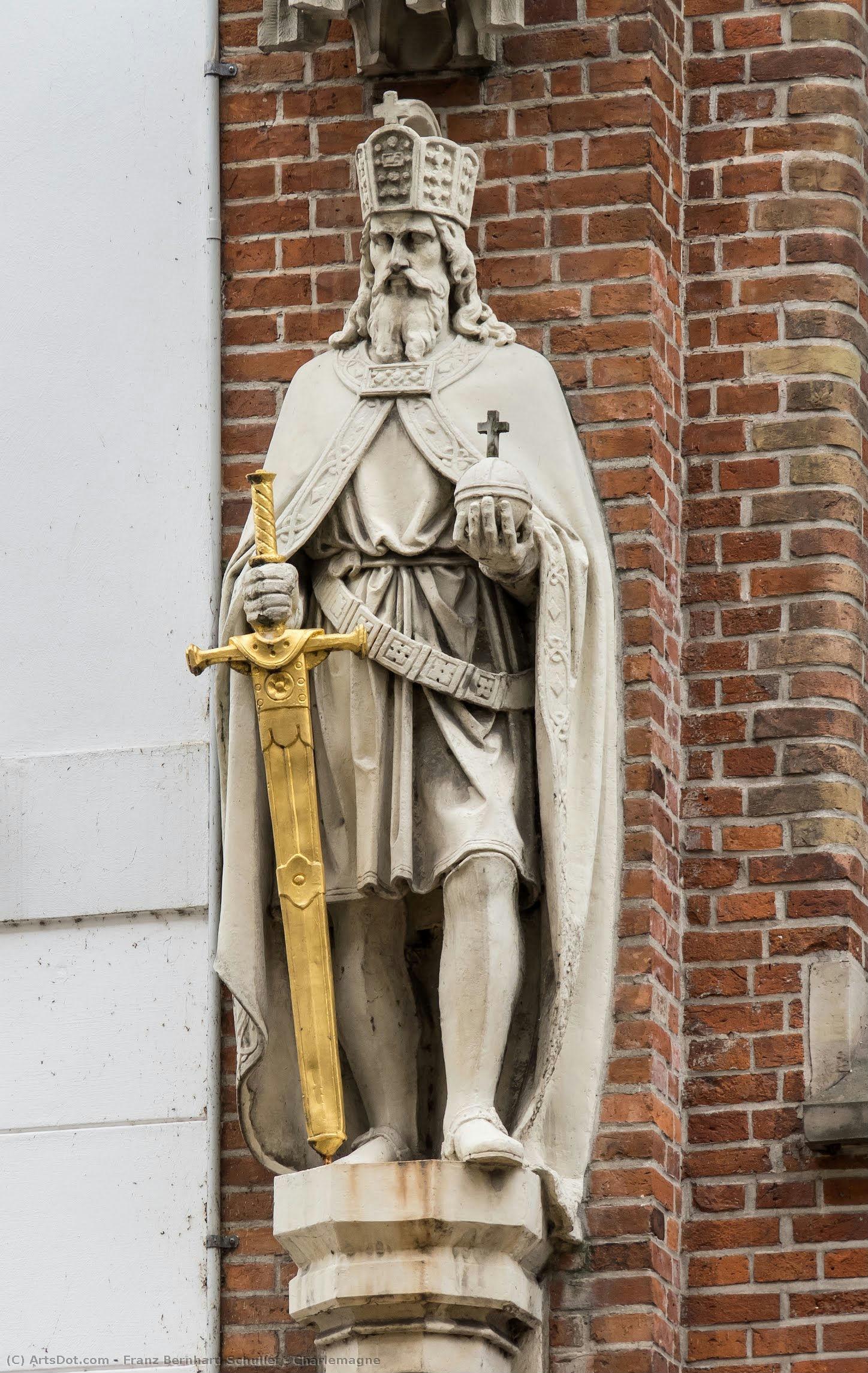
- Charlemagne
 Preview
 Objednat reprodukci Koupit digitální obrázek
 Sdílet
 Sdílet
 Podrobnosti o díle
 Přidat do oblíbených

 Stáhnout
 Podobné položky
 Rentgenové snímky
 Slideshow
Charlemagne

 Zobrazit více
Giclée / Umělecký tisk
Giclée nebo plátěný tisk muzeální kvality s rychlou výrobou a flexibilními možnostmi povrchové úpravy.




































Vyberte si z našich přednastavených velikostí, které odpovídají původním proporcím díla.

Můžete zadat vlastní rozměry tak, aby výtvor odpovídal konkrétnímu rámu nebo prostoru. Pokud zvolená velikost nebude odpovídat poměru stran původního obrazu, dílo buď ořížeme, nebo obraz rozšíříme pomocí zrcadlového efektu či jednobarevného okraje. Před zahájením výroby vám bude zaslán digitální náhled k schválení.
Mějte prosím na paměti, že náhled na obrazovce neodráží skutečné oříznutí nebo rozšíření. Pouze digitální náhled přesně zobrazí finální kompozici.
Ačkoliv jsou k dispozici i vlastní rozměry, pro zachování původních proporcí doporučujeme vybrat si rozměr z předdefinovaného seznamu.
Celosvětové doručení () do 2 týdnů namísto standardních 4/5 týdnů. (27 červenec)

Zdarma celosvětová expresní doprava

Vysoce kvalitní lněné plátno

Kompletní přepravní pojištění

Záruka vrácení celního poplatku

Záruka přesného barevného shodu

60denní lhůta pro vrácení zboží (pouze při vadách výroby)

100% garance vrácení peněz

Sleva při hromadné objednávce
 Skleněná varianta je dostupná pouze u rozměrů menších než 110 cm

Charlemagne
Giclée / Umělecký tisk
Rozměry reprodukce
-


Celková cena za výběr
-
Biografie umělce
Early Life and Training in the German Tradition
Franz Bernhard Schuller, a name perhaps less familiar than some of his contemporaries, nevertheless occupies an intriguing space within the landscape of 19th-century German sculpture. Born in Ostritz, Germany, in 1815, Schuller’s artistic journey began under the tutelage of Gareis, a sculptor whose influence would lay the foundation for Schuller's classical approach. This initial training was further refined through studies with Schwanthaler, another prominent figure in German sculpture, solidifying his commitment to academic principles and detailed craftsmanship. The Germany of Schuller’s youth was undergoing significant cultural shifts, yet he remained deeply rooted in the traditions of idealized form and narrative storytelling that characterized much of European art at the time. This early immersion in classical ideals would become a defining feature of his work, shaping both his subject matter and technical execution.A Sculptor of Narrative and Historical Grandeur
Schuller’s oeuvre is marked by a preference for monumental sculpture, often depicting scenes steeped in history and mythology. He wasn't merely replicating forms; he was striving to embody the spirit of an era or the weight of a legend. His most celebrated work, Charlemagne, exemplifies this ambition. The statue isn’t simply a representation of the Frankish king but an attempt to capture his power, authority, and the very essence of his reign. This dedication to narrative is evident in the meticulous detail he lavished upon each sculpture, from the folds of drapery to the expressive features of his figures. While documentation on the full scope of his work remains limited, the presence of pieces like Charlemagne within prestigious collections such as the Musée d'Orsay and the Louvre speaks volumes about the quality and artistic merit recognized by his peers and subsequent generations.Influences and Artistic Development
The influence of Classical sculpture is pervasive throughout Schuller’s work, a testament to his rigorous training and dedication to academic principles. However, he wasn't simply copying ancient models. He absorbed the lessons of antiquity—the emphasis on anatomical accuracy, balanced composition, and idealized beauty—and adapted them to suit contemporary tastes and narratives. The Baroque tradition also appears to have played a role in his development, particularly in its dramatic use of movement and emotional intensity. This blend of Classical restraint and Baroque dynamism created a unique style that distinguished Schuller from other sculptors of his time. He skillfully balanced the grandeur of historical subjects with a refined sense of detail and expressive power.Recognition and Legacy
Despite not achieving widespread fame during his lifetime, Franz Bernhard Schuller’s work has garnered increasing attention in recent years. His inclusion in the sculpture sections of renowned institutions like the Musée d'Orsay and the Louvre is a clear indication of his artistic significance. The fact that his sculptures continue to be studied and admired today demonstrates their enduring appeal and historical importance.- His work provides valuable insight into the development of German sculpture in the 19th century.
- He represents a continuation of the Classical tradition, adapted for a new era.
- The meticulous craftsmanship and narrative power of his sculptures continue to captivate audiences.

franz bernhard schuller
1815 - 1857 , Germany
Rychlé fakta
- Artistic Movement Or Style: Classical Sculpture
- Artists Who Influenced This Artist:
- Gareis
- Schwanthaler
- Date Of Birth: 1815
- Date Of Death: 1857
- Full Name: Franz Bernhard Schuller
- Nationality: German
- Notable Artworks: ['Charlemagne']
- Place Of Birth: Ostritz, Germany

