

 Náhled v interiéru
 Sdílet
 Sdílet
 Podrobnosti o díle
 Průvodce

 Stáhnout
 Podobné položky
 Rentgenové snímky
 Slideshow
 Statistiky
The Lacemaker


 Zobrazit více
Ručně malovaná olejová reprodukce
Rukou malované olejné plátno v libovolném rozměru i s rámem, vyrobené našimi umělci na zakázku. ( Přepnout na tisk Přepnout na digitální obraz)




P118B Kč10

P118H Kč10

P118W Kč10

P438Z Kč10

P508JH Kč12

P508YH Kč12

P805H Kč10

P805Z Kč10

P919BZ Kč10

P919G Kč10

P919XJ Kč10

P959ZH Kč10

P968JZ Kč12

W106C Kč8

W218G Kč10

W218JH Kč8

W218Y Kč10

W307PJ Kč10

W316G Kč10

W316PJ Kč8

W316Y Kč10

W398PJ Kč8

W4111J Kč10

W500HY Kč15

W500JH Kč15

W692G Kč12

W849H Kč8

W940BG Kč15

W953PJ Kč8




Vyberte si z našich přednastavených velikostí, které odpovídají původním proporcím díla.

Zadejte šířku a výšku, které potřebujete pro váš rám nebo stěnu. Protože se jedná o ruční malbu, při výběru jiného formátu může umělec kolem obrazu domalovat o něco více, nebo jej mírně oříznout — rozhodnete si vy. Před zahájením malby vám zašleme digitální náhled ke schválení. Obraz zobrazený na této stránce neodpovídá skutečnému výsledku — pouze digitální náhled jej zobrazuje.
Po přijetí objednávky vám tým OriginalUniqueArt.com zašle e-mail s pokyny a poskytne náhledovou verzi.
Celosvětová doprava () za 3–4 týdny namísto standardních 5 týdnů. (26 říjen). Bez kompromisů v kvalitě.

Zdarma celosvětová expresní doprava

Vysoce kvalitní lněné plátno

Kompletní pojištění přepravy

Záruka vrácení celního poplatku

Záruka věrného barevného souladu

100dení lhůta pro vrácení zboží (pouze při vadách výroby)

100% záruka vrácení peněz

Sleva při více objednávkách
 Skleněná varianta je dostupná pouze u rozměrů menších než 110 cm

The Lacemaker
Technika reprodukce
Rozměry reprodukce
-


Celková cena za vybrané možnosti reprodukcí
Kč 6415
A Symphony of Silence and Skill
In the quiet corners of the Dutch Golden Age, there exists a profound beauty found not in grand spectacles, but in the rhythmic, meditative pulse of everyday life. The Lacemaker serves as a breathtaking window into this era of domestic tranquility. The painting captures a young woman lost in the delicate, painstaking labor of her craft, her focus so absolute that the world around her seems to dissolve into a soft, atmospheric haze. As she sits before her work, the viewer is invited to share in her solitude, experiencing a moment of stillness that feels both timeless and deeply intimate. This is not merely a portrait of a worker; it is an invitation to appreciate the dignity found in concentration and the quiet grace of a life lived with purpose.
The composition is a masterclass in the fijnschilder style, a technique synonymous with the legendary Dutch masters of Leiden. Every inch of the canvas vibrates with meticulous detail, from the intricate patterns of the lace to the heavy, tactile presence of the crimson and black patterned cloth draped across the table. The artist employs a sophisticated use of light—a soft, diffused glow that seems to emanebate from an unseen window, casting gentle shadows that lend a remarkable three-dimensionality to the scene. This subtle manipulation of luminosity creates a sense of depth, pulling the viewer into the room and making the textures of fabric, porcelain, and skin feel almost touchable. For the discerning collector or interior designer, this level of technical brilliance offers a piece that commands attention through its subtlety rather than through loud, jarring colors.
Symbolism and the Art of Observation
Beyond its surface beauty, The Lacemaker is rich with the symbolic language of the 17th century. The act of lacemaking itself was often viewed as a metaphor for virtue, patience, and the careful weaving of one's destiny. The woman’s composed posture and downward gaze reflect a sense of moral fortitude and intellectual engagement, suggesting that even the most humble domestic tasks can be elevated to an art form. The presence of the mirror on the table adds a layer of introspective depth, reflecting her image back to us and creating a psychological loop that emphasizes themes of self-reflection and the duality of public duty versus private thought.
The color palette is intentionally balanced to evoke a sense of calm yet sophisticated elegance. The vibrant red of the tablecloth provides a striking counterpoint to the muted, pearlescent tones of the woman’s attire, ensuring that the eye is drawn naturally toward her hands—the very site of her creative struggle and triumph. This careful orchestration of color and light makes the painting an ideal centerpiece for a curated space, offering a sense of historical weight and refined taste. Whether placed in a sunlit study or a more formal gallery setting, a high-quality reproduction of this masterpiece brings with it an aura of serenity and a profound connection to the enduring legacy of Dutch excellence.
Otázky a odpovědi
Jak je známé dílo "The Lacemaker" od Frans van Mieris?
Dílo „The Lacemaker“ od Frans van Mieris má úroveň popularity Iconic. Tato klasifikace odráží, jak široce je toto dílo známé.
Jakou atmosféru do interiéru přináší „The Lacemaker“ od Frans van Mieris?
Dílo „The Lacemaker“ od Frans van Mieris má Serene atmosféru a doporučujeme jej do Living Room. Nálada představuje to, co dílo vnáší do okolního prostoru.
Jaká velikost reprodukce se doporučuje pro „The Lacemaker“ od Frans van Mieris?
Pro dílo „The Lacemaker“ se doporučuje tisk ve velikosti Medium. K dispozici jsou i jiné velikosti při zachování stejných proporcí.
Biografie umělce
Život ponořený do detailu: Svět staršího Franse van Mierise
Frans van Mieris starší, jméno synonymické pro precizní detail a vyのことrefined umění, si v rámci nizozemského zlatého věku vybudoval významné postavení. Narodil se v Leidenu v roce 1635 a jeho životní cesta se odklonila od rodinného řemesla zlatnického – po vzoru svého otce, Jana Bastiaensze van Mierise – směrem k fascinujícímu světu malířství. Tato raná náklonnost ke kresbě připravila půdu pro kariéru, která definovala styl „fijnschilder“ a nabídla intimní pohled do nizozemské společnosti 17. století. Jeho počáteční výcvik u Abrahama Toorenvlieta, následovaný zásadnými lekcemi od váženého Gerreta Doue, položil pevné základy, na nichž vybudoval svůj vlastní, nezaměnitelný umělecký hlas. Tyto formativní roky v něm vštíply nejen technickou zdatnost, ale také schopnost vnímat narativní nuance a sílu jemného pozorování.Vzestup „fijnschildera“
Van Mieris se rychle stal oslavovaným mistrem stylu *fijnschilder* – nizozemského termínu označujícího „jemné malířství“. Tato technika byla charakteristická téměř posedlostou detailem, hladným a uhlazovaným tahem štětce a preferencí menších pláten. Nešlo však jen o pouhé napodobování reality; šlo o její pozvednutí prostřednictvím nesmírné přesnosti. Povrchy v jeho dílech se zdají být živé – lesk saténu, jemná textura sametu či záblesky kovu jsou vykresleny s ohromující přesností. On nemaloval pouze místnost; on znovu vytvářel samotnou atmosféru interiéru a pozýval diváka do scén každodennosti a bohatství. Jeho témata se často točila kolem života elit: elegantní shromáždění, bohaté interiéry a portréty, které zachycovaly nejen podobu, ale i charakter. Opakující se motivy, jako jsou svačiny s ústřicemi, lékařské prohlídky nebo ženy věnované běžným činnostem, sloužily jako okna do návyků a sociálních rituálů vyšších vrstev. Ačkoliv byl zpočátku silně ovlivněn stylem Gerreta Doue, Van Mieris postupně vyvinul svůj vlastní přístup. Od nadměrného množství detailů se odklonil směrem k větší důraznosti na interakci mezi postavami a příběhy odvíjející se uvnitř jeho kompozic. Pozdější díla někdy vykazují temnější tónové vlastnosti oproti světlejším paletám jeho raných prací, což odráží rostoucí zralost a umělecké hledání.Trvalý přínos nizozemskému umění
Frans van Mieris hrál klíčovou roli při formování hnutí *fijnschilder* v rámci malířství nizozemského zlatého věku. Jeho oddanost preciznímu detailu, realistické zobrazení každodenního života i vyšší společnosti a technická brilance významně přispěly k éře již nyní proslulé svou uměleckou inovací. Těšil se na ochranu významných osob, včetně arcipaduků Leopolda a Cosima III. de' Medici, což je důkazem mezinárodního uznání jeho talentu. I dnes jeho díla nadále fascinují publikum svou vynikající řemeslnou dokonalostí a hlubokým zobrazením kultury 17. století. Krádež autoportrétu z Art Gallery of New South Wales v Sydney slouží jako dojímavé připomínky trvalé hodnoty a přitažlivosti jeho umění – odkazu, který nadále inspiruje a fascinuje sběratele i milovníky umění. Jeho obrazy nejsou pouhými historickými artefakty; jsou to okna do dávno prošlých dob, pečlivě vytvořená a naplněná nadčasovou krásou.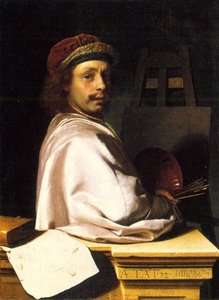
Frans van Mieris
1635 - 1681 , Německo
Rychlé informace o umělci
- Artistic Movement Or Style: Fijnschilderství
- Artists Or Movements Influenced By This Artist: ['Nizozemské zlaté věky']
- Artists Who Influenced This Artist: ['Gerrit Dou']
- Date Of Birth: Leiden, 1635
- Date Of Death: Leiden, 1681
- Full Name: Frans Jansz. van Mieris
- Nationality: Nizozemská
- Notable Artworks:
- Doktor návštěvu
- Autorův portrét s citerou
- Place Of Birth: Leiden
Související články

Johannes Vermeer: Light, Intimacy & the Dutch Golden Age – A Comprehensive Exploration
Explore the life, techniques & enduring legacy of Johannes Vermeer, a master of Dutch Golden Age painting. Discover symbolism in his iconic works like 'The Milkmaid' and learn about his revolutionary use of light.

Golden Age Reflections: Dutch Baroque Painting & Cultural Innovation
Explore the Dutch Golden Age of painting! Discover key artists like Vermeer & ter Borch, their innovative techniques, and the rich cultural context behind these Baroque masterpieces. Learn about collecting & appreciating this iconic art period.

Illuminating Innovation: Exploring the Dutch Golden Age of Painting
Explore the Dutch Golden Age of painting with OriginalUniqueArt. Discover Rembrandt, Vermeer & other Masters. Learn about key characteristics, iconic artworks, and lasting influence. Expert insights for collectors & enthusiasts.

Golden Light & Dutch Skies: The Timeless Magic of Dutch Golden Age Landscapes
Discover the breathtaking beauty of Dutch Golden Age landscapes. Explore the mastery of light, chiaroscuro, and 17th-century realism through an expert art history lens, celebrating the enduring legacy of the Dutch Masters for discerning collectors and art lovers.

Zlatý věk nizozemského malířství: 10 mistrovských děl pro váš domov | OriginalUniqueArt.com
Prozkoumejte 10 ikonických děl nizozemského zlatého věku – Rembrandt, Vermeer a další mistři. Objevte příběhy za obrazy, techniky a inspiraci pro váš interiér s reprodukcemi nejvyšší kvality na OriginalUniqueArt.com.
