

 Náhled v interiéru
 Sdílet
 Sdílet
 Podrobnosti o díle
 Průvodce

 Stáhnout
 Podobné položky
 Rentgenové snímky
 Slideshow
 Q&A
Q&A Statistiky
Duet
 Oil
Oil- WallArt
- Dutch Golden Age
 1658
1658- Early Modern
 31.0 x 24.0 cm
 Staatliches Museum
 Zobrazit více
Získejte soubor připravený k tisku, který svou kvalitou výrazně převyšuje webový náhled. Každý prodávaný digitální obraz pochází z vysokorozlišeného originálu v naší databázi – obvykle o šířce 5 000 až 15 000 pixelů – díky čemuž můžete tisknout ve velkém formátu, provádět těsný střih nebo si s jistotou užít i ty nejjemnější detaily.
Žádný soubor neopustí naše studio bez úprav. Digitální expert kontroluje barvy v porovnání s původním malířským dílem a v případě potřeby je upravuje, poté pomocí profesionálních nástrojů pro retuš zvyšuje ostrost a detailnost — přičemž vždy zůstává věrný tahům štětcem a stylu umělce. Výsledkem je obraz, který vypadá jako malba, nikoliv jako naskenovaný snímek s filtrem.
Schvalování před dokončením: náš expert vám do 72 hodin zašle obraz e-mailem k revizi. Nejsste spokojeni? Můžete požádat o úpravy či opravy, nebo si můžete vyžádat vrácení peněz, pokud kvalita neodpovídá vašim očekáváním.
Tuto kvalitu využívají vydavatelství, designová studia, galerie i tiskárny.
Digitální obrazy
Stáhněte si soubor ve vysokém rozlišení pro osobní prohlížení, tisk nebo kreativní projekty. ( Přepnout na tisk Koupit ručně malovaný obraz)
Součást každé objednávky digitálního obrazu
Profesionální digitální doručení, zaručené
Když si vyberete OriginalUniqueArt.com, nezískáváte pouze obrázek – získáváte digitální umělecké dílo s profesionálně vylepšenými detaily, zpracované s precizností a podpořené zárukou za spokojenost. Zde je vše, co vaše objednávka automaticky obsahuje:

Rychlé doručení e-mailem
Váš digitální obraz ve vysokém rozlišení vám bude zaslán e-mailem do 72 hodin od objednávky – připraven k okamžitému použití.

Digitální soubor s využitím AI
Vaše umělecké dílo je profesionálně optimalizováno pomocí pokročilých nástrojů umělé inteligence a manuální úpravy, což zajišťuje maximální úroveň detailu, ostrosti a přesnosti barev.

Doživotní bezplatné znovuodeslání digitálních obrazů
Soubor jste omylem smazali nebo ztratili? Žádný problém – kdykoliv vám ho znovu zašleme zcela zdarma.

Bez poplatků za dovoz – navždy
Užijte si své umělecké dílo okamžitě bez celních poplatků, daní nebo nákladů na dopravu – digitální stažení je vždy bez daňových povinností.

Záruka přesnosti barev
Díky profesionálním nástrojům a správě barev zajišťujeme, aby váš digitální obraz odrážel původní barvy co nejvěrněji.

100dená záruka spokojenosti
Pokud nebudete s digitálním obrázkem spokojeni, provedeme jeho revizi nebo vám vrátíme 100% platby do 100 dnů – bez jakýchkoliv dotazů.

100% záruka vrácení peněz
Nespokojeni? Získejte plnou náhradu peněz do 100 dnů od obdržení digitálního souboru – bez zbytečných dotazů.

Slevy při hromadných objednávkách
Koupě 3 obrazů ušetří 10% – Koupě 5 obrazů ušetří 15% – Koupě 10+ obrazů ušetří 20%. Ideální pro kreativní projekty, galerie a agentury.
A Symphony of Light and Detail
In the quiet intimacy of a seventeenth-century Dutch interior, Frans van Mieris the Elder captures a moment of profound musical connection in his masterpiece, Duet. This exquisite work serves as a quintessential example of the fijnschilder style, a technique where the artist’s brushwork becomes nearly invisible, leaving behind only the breathtaking reality of texture and light. As we gaze upon the scene, we are transported to an era of refined elegance, where the soft glow of candlelight or filtered daylight dances across the polished wood of a harpsimchord and the rich, crimson folds of a lady's gown. The painting is not merely a depiction of a musical performance; it is a sensory experience that invites the viewer to hear the delicate pluck of strings and feel the hushed reverence of the room.
The composition centers on a woman lost in the rhythmic flow of her music, her posture poised and graceful. Beside her, a companion watches with an intensity that suggests a shared emotional resonance, creating a silent dialogue between the performers. The inclusion of a small dog, resting loyally at their feet, adds a layer of domestic warmth and symbolizes fidelity, grounding the sophisticated atmosphere in a sense of home and heart. Every element, from the delicate lace of a collar to the subtle sheen on the musical score, is rendered with a precision that speaks to Van Mieris’s mastery of the Leiden school, making this piece a jewel of the Dutch Golden Age.
Historical Elegance for the Modern Collector
To possess a reproduction of Duet is to bring a piece of history into the contemporary living space. Created in 1658, during the height of the Dutch Golden Age, this work reflects the prosperity and cultural sophistication of the Netherlands. During this period, artists like Van Mieris were celebrated for their ability to elevate genre scenes—everyday moments of life—into high art through unparalleled technical virtuosity. For the discerning interior designer, this painting offers a timeless focal point that complements both classical and modern decor. Its rich palette of deep reds, warm ambers, and soft shadows provides a sophisticated anchor for a room, evoking a sense of luxury and intellectual depth.
Beyond its aesthetic appeal, the painting serves as an emotional sanctuary. In an age of digital noise, the stillness captured in Duet offers a meditative quality that can transform the atmosphere of any gallery or private residence. It is a celebration of the fine arts, the beauty of domesticity, and the enduring power of human connection. Whether displayed in a sunlit study or a formal dining room, this work continues to inspire awe, reminding us of the meticulous beauty that can be found in life's most quiet, harmonious moments.
Otázky a odpovědi
Jaké místo si v dějinách umění zaujímá „Duet“ od Frans van Mieris?
Dílo „Duet“ od Frans van Mieris patří k období Early Modern a směru Dutch Golden Age. Tyto prvky společně zasazují dílo do historie umění.
Jaké barvy dominují dílu „Duet“ od Frans van Mieris?
„Duet“ je definováno paletou Earthy, v níž dominuje barva Phthalo Green (#301e1f).
Co zachycuje dílo „Duet“ od Frans van Mieris a jakou náladu vyvolává?
„Duet“ od Frans van Mieris spojuje portrait, harpsichord, music, dutch golden age, 17th century, elegant scene, fijnschilder s Elegant atmosférou.
Biografie umělce
Život ponořený do detailu: Svět staršího Franse van Mierise
Frans van Mieris starší, jméno synonymické pro precizní detail a vyのことrefined umění, si v rámci nizozemského zlatého věku vybudoval významné postavení. Narodil se v Leidenu v roce 1635 a jeho životní cesta se odklonila od rodinného řemesla zlatnického – po vzoru svého otce, Jana Bastiaensze van Mierise – směrem k fascinujícímu světu malířství. Tato raná náklonnost ke kresbě připravila půdu pro kariéru, která definovala styl „fijnschilder“ a nabídla intimní pohled do nizozemské společnosti 17. století. Jeho počáteční výcvik u Abrahama Toorenvlieta, následovaný zásadnými lekcemi od váženého Gerreta Doue, položil pevné základy, na nichž vybudoval svůj vlastní, nezaměnitelný umělecký hlas. Tyto formativní roky v něm vštíply nejen technickou zdatnost, ale také schopnost vnímat narativní nuance a sílu jemného pozorování.Vzestup „fijnschildera“
Van Mieris se rychle stal oslavovaným mistrem stylu *fijnschilder* – nizozemského termínu označujícího „jemné malířství“. Tato technika byla charakteristická téměř posedlostou detailem, hladným a uhlazovaným tahem štětce a preferencí menších pláten. Nešlo však jen o pouhé napodobování reality; šlo o její pozvednutí prostřednictvím nesmírné přesnosti. Povrchy v jeho dílech se zdají být živé – lesk saténu, jemná textura sametu či záblesky kovu jsou vykresleny s ohromující přesností. On nemaloval pouze místnost; on znovu vytvářel samotnou atmosféru interiéru a pozýval diváka do scén každodennosti a bohatství. Jeho témata se často točila kolem života elit: elegantní shromáždění, bohaté interiéry a portréty, které zachycovaly nejen podobu, ale i charakter. Opakující se motivy, jako jsou svačiny s ústřicemi, lékařské prohlídky nebo ženy věnované běžným činnostem, sloužily jako okna do návyků a sociálních rituálů vyšších vrstev. Ačkoliv byl zpočátku silně ovlivněn stylem Gerreta Doue, Van Mieris postupně vyvinul svůj vlastní přístup. Od nadměrného množství detailů se odklonil směrem k větší důraznosti na interakci mezi postavami a příběhy odvíjející se uvnitř jeho kompozic. Pozdější díla někdy vykazují temnější tónové vlastnosti oproti světlejším paletám jeho raných prací, což odráží rostoucí zralost a umělecké hledání.Trvalý přínos nizozemskému umění
Frans van Mieris hrál klíčovou roli při formování hnutí *fijnschilder* v rámci malířství nizozemského zlatého věku. Jeho oddanost preciznímu detailu, realistické zobrazení každodenního života i vyšší společnosti a technická brilance významně přispěly k éře již nyní proslulé svou uměleckou inovací. Těšil se na ochranu významných osob, včetně arcipaduků Leopolda a Cosima III. de' Medici, což je důkazem mezinárodního uznání jeho talentu. I dnes jeho díla nadále fascinují publikum svou vynikající řemeslnou dokonalostí a hlubokým zobrazením kultury 17. století. Krádež autoportrétu z Art Gallery of New South Wales v Sydney slouží jako dojímavé připomínky trvalé hodnoty a přitažlivosti jeho umění – odkazu, který nadále inspiruje a fascinuje sběratele i milovníky umění. Jeho obrazy nejsou pouhými historickými artefakty; jsou to okna do dávno prošlých dob, pečlivě vytvořená a naplněná nadčasovou krásou.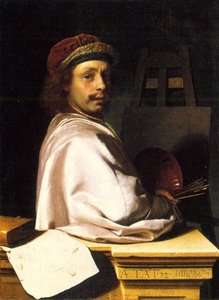
Frans van Mieris
1635 - 1681 , Německo
Stručné informace
- Artistic Movement Or Style: Fijnschilderství
- Artists Or Movements Influenced By This Artist: ['Nizozemské zlaté věky']
- Artists Who Influenced This Artist: ['Gerrit Dou']
- Date Of Birth: Leiden, 1635
- Date Of Death: Leiden, 1681
- Full Name: Frans Jansz. van Mieris
- Nationality: Nizozemská
- Notable Artworks:
- Doktor návštěvu
- Autorův portrét s citerou
- Place Of Birth: Leiden