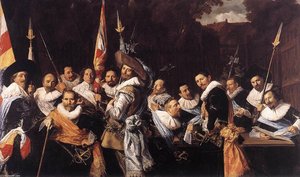
Náhled v interiéru
 Sdílet
 Sdílet
 Podrobnosti o díle
 Průvodce

 Stáhnout
 Podobné položky
 Rentgenové snímky
 Slideshow
 Otázky a odpovědi
 Statistiky
Michiel de Wael

- 118.0 x 95.0 cm


 Zobrazit více
Giclée / Umělecký tisk
Giclée nebo plátěný tisk muzeální kvality s rychlou výrobou a širokou nabídkou povrchových úprav. ( Koupit ručně malovaný obraz Přepnout na digitální obraz)




P118B Kč10

P118H Kč10

P118W Kč10

P438Z Kč10

P508JH Kč12

P508YH Kč12

P805H Kč10

P805Z Kč10

P919BZ Kč10

P919G Kč10

P919XJ Kč10

P959ZH Kč10

P968JZ Kč12

W106C Kč8

W218G Kč10

W218JH Kč8

W218Y Kč10

W307PJ Kč10

W316G Kč10

W316PJ Kč8

W316Y Kč10

W398PJ Kč8

W4111J Kč10

W500HY Kč15

W500JH Kč15

W692G Kč12

W849H Kč8

W940BG Kč15

W953PJ Kč8




Vyberte si z našich přednastavených velikostí, které odpovídají původním proporcím díla.

Zadejte šířku a výšku, které potřebujete pro váš rám nebo stěnu. Tisk lze pouze oříznout, nikdy však nelze zvětšit obraz nad jeho původní rozměr, proto při výběru jiného formátu dochází ke ztrátě části obrazu. Před samotným tiskem vám zašleme digitální náhled k schválení. Obraz zobrazený na této stránce nenabízí skutečný výřez — ten uvidíte pouze v náhledu.
Celosvětové doručení () do 2 týdnů namísto standardních 4/5 týdnů. (11 listopad)

Zdarma celosvětová expresní doprava

Vysoce kvalitní lněné plátno

Kompletní pojištění přepravy

Záruka vrácení celního poplatku

Záruka věrného barevného souladu

100dení lhůta pro vrácení zboží (pouze při vadách výroby)

100% záruka vrácení peněz

Sleva při více objednávkách
 Skleněná varianta je dostupná pouze u rozměrů menších než 110 cm

Michiel de Wael
Giclée / Umělecký tisk
Rozměry reprodukce
-


Celková cena za vybrané možnosti reprodukcí
Kč 1768
A Portrait of Dignified Resolve: Michiel de Wael by Frans Hals
Frans Hals’s portrait of Michiel de Wael, completed in 1628, isn't merely a likeness; it’s a carefully constructed tableau of status, wealth, and the quiet contemplation characteristic of the Dutch Golden Age. The painting immediately commands attention with its formal composition – De Wael occupies nearly the entire frame, an assertion of his importance within the social landscape of Haarlem. Yet, this formality isn't cold or austere; rather, it’s imbued with a palpable sense of humanity, achieved through Hals’s masterful manipulation of light and shadow, and most notably, his signature loose brushwork.
The subject himself is presented as a man of considerable standing – a brewer and civic guard captain. His dark velvet coat, rich in detail thanks to Hals' meticulous rendering of the fabric’s texture, speaks volumes about his prosperity. The voluminous white ruff collar, a fashionable extravagance of the period, further emphasizes his elevated position. He holds a small pouch or bag in his left hand – a subtle emblem of trade and wealth, hinting at the tangible rewards of his endeavors. But it's De Wael’s expression that truly captivates; a serious, almost melancholic gaze suggests an inner life, a thoughtful observer of the world around him. This isn’t a boisterous celebration of success, but rather a moment of quiet reflection – a rare and compelling quality in portraiture of this era.
The Language of Dutch Portraiture: Style and Technique
Hals's approach to portraiture was revolutionary for his time. He deliberately eschewed the meticulous detail favored by many of his contemporaries, opting instead for a vibrant, expressive style characterized by loose brushstrokes and an emphasis on capturing fleeting moments. This technique isn’t haphazard; it’s carefully controlled, creating a sense of immediacy and dynamism within the painting. Notice how Hals uses light to sculpt De Wael's face – strong directional lighting casts dramatic shadows that define the contours of his features, adding depth and volume. The subtle gradations in tone create an illusion of three-dimensionality, pulling the viewer into the scene.
The composition itself is a testament to Hals’s skill. The shallow perspective focuses primarily on De Wael's face and upper body, creating an intimate yet imposing presence. Linear elements – the precise lines of his clothing and the architectural background – are balanced by softer, more organic shapes within the folds of the fabric. This interplay between structure and fluidity is a hallmark of Hals’s style, lending a sense of both order and vitality to the painting.
Historical Context: A Glimpse into 17th-Century Haarlem
To fully appreciate this portrait, it's essential to understand the social and economic context in which it was created. The Dutch Golden Age (roughly 1600-1700) witnessed an unprecedented flourishing of art, commerce, and intellectual life. Haarlem, a thriving port city, became a center for brewing, trade, and civic engagement – industries that fueled the rise of prosperous merchants like De Wael. Portraits during this period weren’t simply representations of individuals; they were statements of social status, economic success, and civic responsibility.
The inclusion of symbolic elements—the pouch representing trade, the elaborate clothing signifying wealth—reinforces this message. Hals subtly communicates De Wael's position within the hierarchical structure of 17th-century society, while simultaneously capturing his individual character and personality. Further research reveals that Michiel de Wael was a prominent figure in Haarlem’s civic life, serving as captain of the St. George Civic Guard – a role that would have further elevated his status and contributed to the painting's significance.
Beyond the Canvas: Reproduction and Legacy
The original portrait, now housed at the Taft Museum of Art in Cincinnati, is a remarkable example of Hals’s genius. High-quality reproductions offer an opportunity to experience this masterpiece firsthand, bringing its rich colors, dramatic lighting, and profound emotional depth into any space. Consider how the painting's muted palette—dominated by dark browns and greys—creates a sense of gravitas and introspection, while subtle highlights on De Wael’s face draw attention to his thoughtful expression.
Frans Hals’s portrait of Michiel de Wael stands as a testament to the enduring power of art to capture not just likenesses but also the essence of human experience. It's a painting that invites contemplation, prompting us to consider the complexities of wealth, status, and the quiet dignity of a man navigating the challenges and triumphs of his time.
Otázky a odpovědi
Které muzeum uchovává originál díla "Michiel de Wael"?
Originál díla „Michiel de Wael“ si můžete prohlédnout v instituci Taft Museum of Art, Cincinnati, Spojené státy americké.
Jaká velikost a orientace se doporučují pro tisk díla „Michiel de Wael“ od Frans Hals I?
Pro tisknutí díla „Michiel de Wael“ od Frans Hals I se doporučuje velikost Medium v orientaci Portrait.
Jsou barvy v díle „Michiel de Wael“ od Frans Hals I syté, nebo tlumené?
Dílo „Michiel de Wael“ od Frans Hals I je zachyceno s Muted saturací.
Biografie umělce
Frans Hals I: Život a dílo Franse Snyderse
Frans Hals I byl nizozemský malíř, narozený v Antverpách kolem roku 1580. Jeho rané životní období zůstává poněkud zahalené tajemstvím, ale vypracoval se na jednoho z nejvýznamnějších představitelů zlatého věku Nizozemska a oslavoval se pro svou inovativní tvorbu portrétů i žánrových scén.Rané životní období a vzdělání
Podrobnosti ohledně Halsova prvního života jsou vzácné. Předpokládá se, že získal počáteční umělecké vzdělání v Antverpách, významném centru malířství tehdejší doby. Nicméně kvůli náboženským a politickým nepokojům byla jeho rodina brzy po narození nucena emigrovat do Haarlemu na sever Holandska. Stal se členem Haarlemského cechu sv. Lukáše v roce 1610, což znamenalo oficiální začátek jeho profesionálního působení.Umělecký styl a vývoj
Hals si získal zvláštní místo díky mimořádně svěžímu a spontánnímu stylu. Na rozdíl od mnoha svých současníků, kteří vyžadovali pečlivé detailní zpracování obrazu, Hals používal volný a expresivní štětec. Tato technika naplnila jeho obrazy smyslem naléhavosti a životnosti, zachycovala osobnost a charakter svých subjektů způsobem revolučním pro svou dobu. Jeho přístup byl odlišný od tehdejších konvencí a vyžadoval odvahu překračovat hranice estetických pravidel.- Jeho portréty nebyla jen podobnosti; byly psychologické studie.
- Výborně dokázal zachytávat krátké okamžiky – smích, rozhovor nebo úzkostlivé pozorování.
- Halsův důraz na světlo a stíny prohluboval dramatický efekt jeho obrazů.
Významné díla
Přestože Hals vytvořil širokou škálu děl, nejlépe je známý svými portréty. Některé z jeho největších úspěchů jsou:- Šálek smíchejícího se rytíře (1624) – Jedná se o ikonický příklad jeho schopnosti zachytit charakter a pohyb.
- Malle Babbe (c. 1633-1635) – Výrazný obraz starší ženy, který dokazuje Halsovu odbornost při zobrazování věku a osobnosti.
- Portréty regentů Domova seniorů v Haarlemu (1664) - Dokazují jeho mistrovství žánrové tvorbě.
Také vytvořil působivé žánrové scény – obrazy každodenního života – které nabízejí pohled do nizozemské společnosti té doby.
Vlivy a dědictví
Stanovení Halsových přímých vlivů je obtížné, protože vyvinul velmi osobní styl. Nicméně je pravděpodobné, že byl si vědom tvorby předchozích vlámských malířů jako například Pieter Bruegel Senior. Jeho inovativní přístup k portrétování zásadně ovlivnil následné generace umělců. Byl inspirací pro mnoho dalších velikánů nizozemského zlatého věku.- Ovlivnil umělce jako například Adriaen Brouwer a Johannes Vermeer.
- Jeho důraz na zachycení osobnosti otevřel cestu k obrazům, které jsou intimnější a psychologičtější.
- Pozdější umělci, včetně impresionistů, vyjadřovali uznání jeho volnému štětecům a zaměření se na světlo.
Frans Hals I zanechal nezapomenutelné dědictví v historii evropského výtvarného umění. Jeho díla jsou důkazem bohatství a intelektuální činnosti nizozemské kultury během zlatého věku. Jeho tvorba zůstává inspirací pro současné umělce a fascinuje diváky po staletí.

Frans Hals I
1580 - 1585 , Belgie
Rychlé informace o umělci
- Artistic Movement Or Style: Dutch Golden Age
- Artists Or Movements Influenced By This Artist:
- Adriaen Brouwer
- Johannes Vermeer
- Artists Who Influenced This Artist: ['Pieter Bruegel the Elder']
- Date Of Birth: 1580
- Full Name: Frans Hals I
- Nationality: Dutch
- Notable Artworks:
- Šálek smíchejícího se rytíře
- Veselý piják
- Place Of Birth: Antwerp, Belgium
Související články

Zlatý věk nizozemského malířství: 10 mistrovských děl pro váš domov | OriginalUniqueArt.com
Prozkoumejte 10 ikonických děl nizozemského zlatého věku – Rembrandt, Vermeer a další mistři. Objevte příběhy za obrazy, techniky a inspiraci pro váš interiér s reprodukcemi nejvyšší kvality na OriginalUniqueArt.com.

Frans Hals I: Innovation, Intimacy & the Dutch Golden Age Portrait
Explore the revolutionary portraiture of Frans Hals I, a master of the Dutch Golden Age. Discover his innovative techniques, captivating character studies & lasting impact on art history. Learn more at OriginalUniqueArt.

Golden Age Reflections: Dutch Baroque Painting & Cultural Innovation
Explore the Dutch Golden Age of painting! Discover key artists like Vermeer & ter Borch, their innovative techniques, and the rich cultural context behind these Baroque masterpieces. Learn about collecting & appreciating this iconic art period.

Golden Light & Dutch Skies: The Timeless Magic of Dutch Golden Age Landscapes
Discover the breathtaking beauty of Dutch Golden Age landscapes. Explore the mastery of light, chiaroscuro, and 17th-century realism through an expert art history lens, celebrating the enduring legacy of the Dutch Masters for discerning collectors and art lovers.
Illuminating Innovation: Exploring the Dutch Golden Age of Painting
Explore the Dutch Golden Age of painting with OriginalUniqueArt. Discover Rembrandt, Vermeer & other Masters. Learn about key characteristics, iconic artworks, and lasting influence. Expert insights for collectors & enthusiasts.