

 Zobrazit v interiéru
 Odeslat
 Sdílet
 Podrobnosti
 Průvodce

 Stáhnout obrázek
 Podobné kousky
 Rentgenové snímky
 Slideshow
 Statistiky
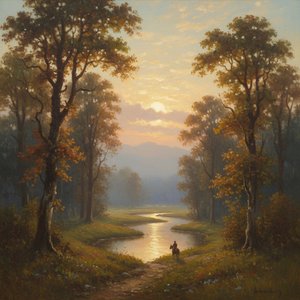
George Inness


 Přečíst si více
Giclée / Umělecký tisk
Giclée nebo plátěný tisk muzeální kvality s rychlou výrobou a širokou nabídkou povrchových úprav. ( Objednat ručně malovanou reprodukci Přepnout na digitální verzi obrazu)




































Vyberte si z našich přednastavených velikostí, které odpovídají původním proporcím díla.

Můžete zadat vlastní rozměry tak, aby výtvor odpovídal konkrétnímu rámu nebo prostoru. Pokud zvolená velikost nebude odpovídat poměru stran původního obrazu, dílo buď ořížeme, nebo obraz rozšíříme pomocí zrcadlového efektu či jednobarevného okraje. Před zahájením výroby vám bude zaslán digitální náhled k schválení.
Mějte prosím na paměti, že náhled na obrazovce neodráží skutečné oříznutí nebo rozšíření. Pouze digitální náhled přesně zobrazí finální kompozici.
Ačkoliv jsou k dispozici i vlastní rozměry, pro zachování původních proporcí doporučujeme vybrat si rozměr z předdefinovaného seznamu.
Celosvětové doručení () do 2 týdnů namísto standardních 4/5 týdnů. (25 září)

Zdarma celosvětová expresní doprava

Vysoce kvalitní lněné plátno

Úplné pojištění přepravy

Záruka vrácení celního poplatku

Záruka věrného barevného shodu

100dení lhůta pro vrácení zboží (pouze při vadách výroby)

100% garance vrácení peněz

Sleva při více objednávkách
 Skleněná varianta je dostupná pouze u rozměrů menších než 110 cm

George Inness
Giclée / Umělecký tisk
Velikost reprodukce
-


Celková cena
$ 80
Biografie umělce
Franklin C. Courter: Pioneer of Arctic Landscape Painting
Franklin C. Courter (1854 – 1947) stands as a singular figure in American landscape painting, particularly renowned for his immersive depictions of the Arctic wilderness and his masterful execution of tonalist techniques. Born in Grimsby, Lincolnshire, England, Courter’s artistic journey began with formal training at the Royal Academy in London before he emigrated to the United States in 1883, establishing himself as a resident of Indianapolis where he would spend the remainder of his life. His distinctive style—characterized by subdued colors, atmospheric haze, and an unwavering commitment to capturing the essence of natural light—earned him considerable acclaim during his lifetime and continues to inspire admiration among art historians today.- Early Influences: Courter’s formative years were profoundly shaped by the Impressionist movement in Paris, where he encountered luminists like George Inness and Claude Monet. These encounters instilled within him a fascination for capturing fleeting moments of beauty and conveying emotion through subtle tonal variations—a cornerstone of his artistic approach.
- The Arctic Expeditions: Courter’s most celebrated achievements stemmed from his participation in several expeditions to explore the Arctic Circle. Notably, he accompanied Robert Peary's 1898 expedition to North Pole, documenting the desolate landscapes and capturing the arduous realities faced by explorers. His paintings from these voyages—particularly “Lincoln and His Son, Tad”—offer unparalleled insight into the psychological impact of extreme environments on human perception.
- Notable Works: Among Courter’s impressive oeuvre are “Landscape near Sparta, New Jersey,” a serene portrayal of rural New Jersey bathed in autumnal hues; and numerous smaller canvases depicting scenes from Yosemite National Park. These works exemplify his ability to distill complex natural phenomena into evocative compositions that resonate with viewers.
- Legacy: Franklin C. Courter’s contribution to American landscape painting is undeniable. His pioneering use of tonalist techniques—coupled with his unflinching documentation of Arctic expeditions—established him as a visionary artist who captured the sublime beauty and psychological depth of the natural world. Today, reproductions of his paintings are treasured by collectors worldwide, ensuring that his artistic legacy persists for generations to come.
Influence and Artistic Style
Courter’s stylistic choices were deeply rooted in the tonalist movement, which emerged in the late 1880s as a reaction against Impressionism's emphasis on optical color perception. Tonalists sought to depict landscapes with an unwavering fidelity to observed light and shadow—a pursuit that demanded patience, meticulous observation, and a profound understanding of atmospheric effects. Courter’s canvases often eschewed vibrant hues in favor of muted browns, greens, and grays, prioritizing tonal harmonies over chromatic brilliance.- Symbolism: Courter's paintings frequently incorporated symbolic elements—such as solitary figures contemplating the grandeur of nature—to convey deeper meanings about human experience. These images served as meditations on themes of solitude, contemplation, and the relationship between humanity and the environment.
Museum Exhibitions and Recognition
Courter’s artwork gained considerable recognition during his lifetime through appearances in prestigious exhibitions across the United States. His paintings were showcased at the Pennsylvania Academy of Fine Arts, the Art Institute of Chicago, and numerous other institutions—solidifying his reputation as one of America's foremost landscape painters.
franklin c courter
1854 - 1947
Rychlé informace
- Artistic Movement Or Style: Tonalist
- Artists Or Movements Influenced By This Artist: ['American Impressionism']
- Artists Who Influenced This Artist: ['George Inness']
- Date Of Birth: 1854
- Date Of Death: 1947
- Full Name: Franklin C Courter
- Nationality: American
- Notable Artworks:
- Lincoln and His Son, Tad
- (Landscape near Sparta, New Jersey)
- George Inness
- Place Of Birth: Grimsby, Lincolnshire
Související články

Oil on Canvas: A Historical & Technical Exploration of a Timeless Artistic Medium
Explore the rich history & enduring techniques of oil painting on canvas. Discover the science behind its longevity, conservation practices, and contemporary relevance. Expert insights for art enthusiasts.

Georges Seurat: 25 mistrovských děl a revoluce bodové techniky | OriginalUniqueArt
Prozkoumejte 25 ikonických děl Georges Seurata – průkopníka impresionismu a bodové techniky. Objevte příběhy za slavnými obrazy, barevnou teorii a inspirujte se pro váš interiér s reprodukcemi nejvyšší kvality na OriginalUniqueArt.com.

Georges Braque: 25 mistrovských děl kubismu a revoluce v umění | OriginalUniqueArt.cz
Prozkoumejte 25 ikonických děl Georges Braque, průkopníka kubismu. Objevte příběhy za obrazy, techniky a inspiraci tohoto francouzského mistra. Reprodukce obrazů v nejvyšší kvalitě na OriginalUniqueArt.com.
George Inness: Transcendental Landscapes & the American Search for Spiritual Harmony
Explore the profound landscapes of George Inness, a leading American artist-philosopher. Discover his spiritual approach to painting, influences, and lasting legacy with OriginalUniqueArt.

The Enduring Legacy of Oil on Canvas: Technique, History & Aesthetic Impact
Explore the rich history & techniques of oil painting – from Renaissance masters to Impressionism. Discover pigments, layering methods, and why this timeless medium endures. Expert insights for artists & art enthusiasts.