
 Náhled v interiéru
 Sdílet
 Sdílet
 Podrobnosti o díle
 Průvodce

 Stáhnout
 Podobné položky
 Rentgenové snímky
 Slideshow
 Otázky a odpovědi
 Statistiky
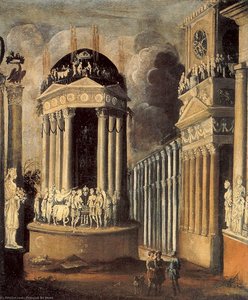
Architectural Capriccio

- 96.0 x 80.0 cm


 Zobrazit více
Získejte soubor připravený k tisku, který svou kvalitou výrazně převyšuje webový náhled. Každý prodávaný digitální obraz pochází z vysokorozlišeného originálu v naší databázi – obvykle o šířce 5 000 až 15 000 pixelů – díky čemuž můžete tisknout ve velkém formátu, provádět těsný střih nebo si s jistotou užít i ty nejjemnější detaily.
Žádný soubor neopustí naše studio bez úprav. Digitální expert kontroluje barvy v porovnání s původním malířským dílem a v případě potřeby je upravuje, poté pomocí profesionálních nástrojů pro retuš zvyšuje ostrost a detailnost — přičemž vždy zůstává věrný tahům štětcem a stylu umělce. Výsledkem je obraz, který vypadá jako malba, nikoliv jako naskenovaný snímek s filtrem.
Schvalování před dokončením: náš expert vám do 72 hodin zašle obraz e-mailem k revizi. Nejsste spokojeni? Můžete požádat o úpravy či opravy, nebo si můžete vyžádat vrácení peněz, pokud kvalita neodpovídá vašim očekáváním.
Tuto kvalitu využívají vydavatelství, designová studia, galerie i tiskárny.
Digitální obrazy
Stáhněte si soubor ve vysokém rozlišení pro osobní prohlížení, tisk nebo kreativní projekty. ( Přepnout na tisk Koupit ručně malovaný obraz)
Součást každé objednávky digitálního obrazu
Profesionální digitální doručení, zaručené
Když si vyberete OriginalUniqueArt.com, nezískáváte pouze obrázek – získáváte digitální umělecké dílo s profesionálně vylepšenými detaily, zpracované s precizností a podpořené zárukou za spokojenost. Zde je vše, co vaše objednávka automaticky obsahuje:

Rychlé doručení e-mailem
Váš digitální obraz ve vysokém rozlišení vám bude zaslán e-mailem do 72 hodin od objednávky – připraven k okamžitému použití.

Digitální soubor s využitím AI
Vaše umělecké dílo je profesionálně optimalizováno pomocí pokročilých nástrojů umělé inteligence a manuální úpravy, což zajišťuje maximální úroveň detailu, ostrosti a přesnosti barev.

Doživotní bezplatné znovuodeslání digitálních obrazů
Soubor jste omylem smazali nebo ztratili? Žádný problém – kdykoliv vám ho znovu zašleme zcela zdarma.

Bez poplatků za dovoz – navždy
Užijte si své umělecké dílo okamžitě bez celních poplatků, daní nebo nákladů na dopravu – digitální stažení je vždy bez daňových povinností.

Záruka přesnosti barev
Díky profesionálním nástrojům a správě barev zajišťujeme, aby váš digitální obraz odrážel původní barvy co nejvěrněji.

100dená záruka spokojenosti
Pokud nebudete s digitálním obrázkem spokojeni, provedeme jeho revizi nebo vám vrátíme 100% platby do 100 dnů – bez jakýchkoliv dotazů.

100% záruka vrácení peněz
Nespokojeni? Získejte plnou náhradu peněz do 100 dnů od obdržení digitálního souboru – bez zbytečných dotazů.

Slevy při hromadných objednávkách
Koupě 3 obrazů ušetří 10% – Koupě 5 obrazů ušetří 15% – Koupě 10+ obrazů ušetří 20%. Ideální pro kreativní projekty, galerie a agentury.
Biografie umělce
The Enigmatic Visionary of Decay
François de Nomé remains one of the most captivating enigmas in the annals of Baroque art history, a painter whose very identity was once lost within the shadows of a collective pseudonym. Born in 1593 in the quiet region of Metz, Lorraine, his early life set the stage for a journey that would lead him from the workshops of Rome to the vibrant, dramatic atmosphere of Naples. Around 1602, de Nomé entered the Roman art scene, immersing himself in the studio of the Flemish landscape painter Balthasar Lauwers. It was during this formative period that he began to hone a technical mastery over light and perspective, yet his true artistic soul would only reveal itself through a fascination with the ephemeral and the broken.
For centuries, the works attributed to de Nomé were shrouded in mystery, mistakenly credited to a single mysterious figure known as Monsù Desiderio. It was not until recent scholarly investigations that art historians untangled this web of attribution, discovering that what was once thought to be the output of one man was actually the collaborative brilliance of at least three distinct artists, including de Nomé and Didier Barra. This revelation has transformed our understanding of his legacy, transforming him from a mere footnote in a collective identity into a singular, visionary voice capable of conjuring worlds that feel both ancient and hauntingly prophetic.
A Landscape of Ruin and Surrealism
The oeuvre of François de Nomé is defined by an unsettling, almost post-apocalyptic aesthetic that defies the idealized beauty typical of his contemporaries. Rather than seeking out lush, verdant vistas, de Nomé turned his gaze toward decrepit ruins, crumbling architectures, and desolate, barren landscapes. His canvases often feature massive, decaying structures silhouetted against heavy, overcast skies, creating a sense of profound isolation. Within these vast, skeletal remains, tiny, almost microscopic figures—often saints or biblical protagonists—wander through the debris, their smallness emphasizing the overwhelming scale of time and decay.
His technique is masterfully atmospheric, utilizing oil on canvas to create indistinct edges and a muted, earthy palette that evokes a sense of dust and antiquity. There is a palpable psychological drama in his work; he does not merely paint buildings, but rather the anxiety of collapse. By employing an illusionistic depth and a soft, hazy perspective, he invites the viewer into a dreamlike state where reality and nightmare blur. This approach predates modern surrealism by centuries, as he utilized the architectural capriccio—a whimsical architectural fantasy—to explore themes of memory, loss, and the inevitable triumph of nature over man-made grandeur.
Legacy and Artistic Significance
While de Nomé’s specific style did not become a dominant trend for Italian landscape painters in the following century, his contribution to the emotional depth of the Baroque period is undeniable. His most celebrated achievement lies in his ability to manipulate architectural reality to serve a higher, more symbolic purpose. A prime example is his depiction of the Venetian Piazza San Marco; while he meticulously recreates the essential structures of the piazza, he imbues them with an eerie stillness and invented details that transform a real location into a haunting, imaginary space.
The historical significance of de Nomé lies in his rejection of the conventional. In an era often preoccupied with the glorification of power and divine order, he chose to find beauty in the fractured and the forgotten. His work serves as a bridge between the classical fascination with antiquity and a much more modern, visceral reaction to the fragility of civilization. Today, de Nomé is celebrated not just as a painter of ruins, but as a master of the sublime, an artist who captured the haunting beauty of a world in transition.
François De Nomé
1593 - 1623 , France
Stručné informace
- Artistic Movement Or Style: Baroque
- Artists Or Movements Influenced By This Artist:
- Salvatore Rosa
- Piranesi
- Artists Who Influenced This Artist:
- Alessandro Magnasco
- Michelangelo Cerquozzi
- Belisario Corenzio
- Date Of Birth: 1593
- Date Of Death: 1623
- Full Name: François de Nomé
- Nationality: French
- Notable Artworks:
- Fantastic Ruins with Saint Augustine and the Child
- The Tomb of Solomon
- The Martyrdom of a female Saint
- Place Of Birth: Metz, France