
 Náhled
 Sdílet
 Sdílet
 Podrobnosti o díle

 Stáhnout
 Podobné položky
 Rentgenové snímky
 Slideshow
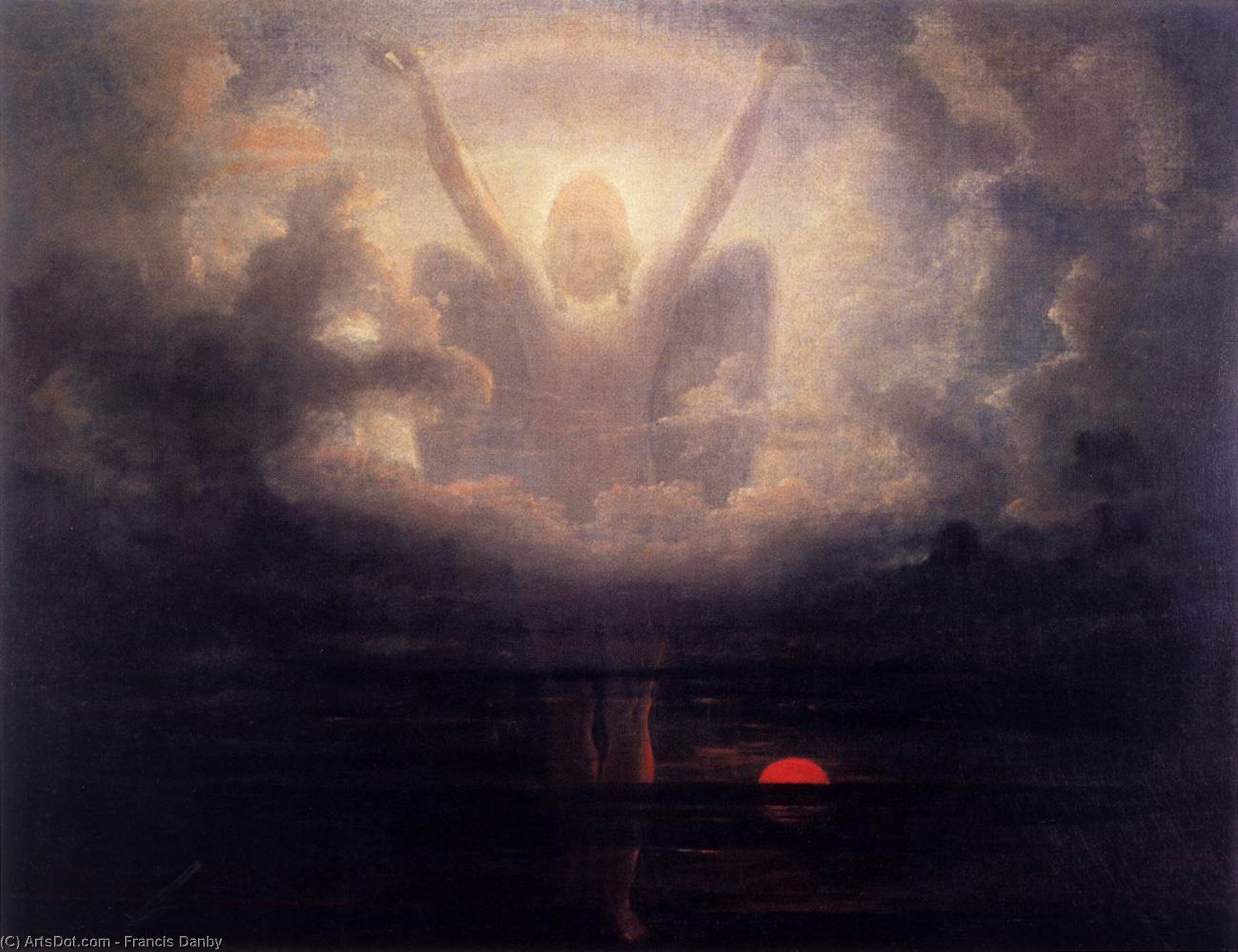
Scene from the Apocalypse
 1829
1829 61.0 x 77.0 cm
 Zobrazit více
Ručně malovaná olejová reprodukce
Ručně malovaná olejná barva na plátně ve vašem zvoleném rozměru i s rámem, vyrobená našimi umělci na zakázku. ( Koupit tisk Koupit obrázek)




































Vyberte si z našich přednastavených velikostí, které odpovídají původním proporcím díla.

Můžete zadat vlastní rozměry pro konkrétní rám nebo prostor. Pokud se vámi vybraná velikost neshoduje s proporcemi původního obrazu, dílo buď ořízneme, nebo jej doplníme ručně malovanými prvky. Před zahájením výroby vám bude zaslán digitální náhled ke schválení.
Upozorňujeme, že náhled na obrazovce neodpovídá skutečnému ořezu ani rozšíření. Pouze digitální náhled přesně zobrazí finální kompozici.
Ačkoliv je možné zvolit vlastní velikost, pro zachování původních proporcí doporučujeme vybrat rozměr z předdefinovaného seznamu.
Po přijetí objednávky vám tým OriginalUniqueArt.com zašle e-mail s pokyny a poskytne náhledovou verzi.
Celosvětová doprava () za 3–4 týdny namísto standardních 5 týdnů. (19 srpen). Bez kompromisů v kvalitě.

Zdarma celosvětová expresní doprava

Vysoce kvalitní lněné plátno

Kompletní přepravní pojištění

Záruka vrácení celního poplatku

Záruka přesného barevného shodu

60denní lhůta pro vrácení zboží (pouze při vadách výroby)

100% garance vrácení peněz

Sleva při hromadné objednávce
 Skleněná varianta je dostupná pouze u rozměrů menších než 110 cm

Scene from the Apocalypse
Technika reprodukce
Rozměry reprodukce
-


Celková cena za výběr
$ 300
Biografie umělce
A Romantic Vision Forged in Ireland and England: The Life of Francis Danby
Francis Danby, born on November 16, 1793, in County Wexford, Ireland, stands as a compelling figure within the Romantic movement. His life was one marked by both artistic triumph and personal hardship, a narrative woven into the very fabric of his dramatic and emotionally resonant paintings. The son of James and Margaret Watson Danby, he initially experienced a relatively secure upbringing until his father’s untimely death in 1807. This event forced the family to relocate to Dublin, initiating a period of financial constraint that would profoundly shape young Francis's path. It was within the walls of the Royal Dublin Society’s schools that Danby first honed his artistic skills under the tutelage of George Petrie and James Arthur O'Connor, laying the groundwork for a career defined by its evocative power. These early influences instilled in him not only technical proficiency but also a deep appreciation for landscape—a theme that would dominate much of his oeuvre.The Bristol School and the Blossoming of a Style
Danby’s artistic journey took a pivotal turn in 1813 when he accompanied O'Connor and Petrie to London. The experience of viewing J.M.W. Turner’s works at the Royal Academy exhibition proved deeply impactful, igniting within him a passion for atmospheric effects and dramatic compositions. However, financial realities soon led them to Bristol, where Danby established himself as a painter specializing in watercolor landscapes. This period marked his association with the informal yet influential group known as the Bristol School. Alongside artists like Edward Bird and Edward Villiers Rippingille, Danby developed a style characterized by naturalism, fresh color palettes, and an acute sensitivity to light. The Avon Gorge (c. 1820), exemplifies this early period, capturing the sublime beauty of the natural world with a poetic sensibility reminiscent of Romantic poets like Wordsworth and Coleridge. He wasn’t merely depicting landscapes; he was imbuing them with emotional weight, foreshadowing his later explorations of narrative within scenic settings. This fusion of picturesque landscape with genre subjects became a hallmark of Danby's artistic vision, setting him apart from many of his contemporaries.Ambition and Acclaim: Major Works and Royal Recognition
The early 1820s witnessed a turning point in Danby’s career. Disappointed Love (1821), showcased his burgeoning ability to seamlessly blend landscape with emotional narrative, garnering critical attention and establishing him as a rising star. He began exhibiting regularly at the Royal Academy, steadily gaining recognition for his ambitious compositions. The Upas Tree (1820), demonstrated his desire to tackle large-scale works imbued with dramatic storytelling—a testament to his growing confidence and artistic ambition. However, it was An Attempt to Illustrate the Opening of the Sixth Seal (1828) that truly cemented his reputation. This monumental work, initially met with controversy due to accusations of plagiarism leveled by John Martin, ultimately garnered significant acclaim and was purchased by the discerning collector William Beckford. The painting drew immense crowds at the Royal Academy, solidifying Danby’s position within the British art establishment. In November 1825, this recognition culminated in his election as an Associate of the Royal Academy (ARA), a testament to his artistic prowess and growing influence.Later Years, Enduring Legacy
Despite initial success, Danby’s career was punctuated by financial difficulties. He moved between London, Paris, and Geneva seeking patronage and opportunities, yet struggled to consistently regain the prominence he had enjoyed in the 1820s. His later works continued to explore dramatic landscapes and historical themes, but a sense of melancholy often pervades these pieces, perhaps reflecting his personal struggles. Nevertheless, Danby’s influence on other artists—notably John Martin—is undeniable, and his contribution to the development of landscape painting in the 19th century remains significant. He is remembered as a key figure bridging Irish artistic traditions with the broader European art scene, capturing the sublime beauty of nature while simultaneously delving into profound themes of human emotion and spirituality. Today, his paintings are held in prominent collections including the National Gallery of Ireland and the Bristol Museum & Art Gallery, ensuring that his legacy endures for generations to come.Key Characteristics
- Dramatic Landscapes: Danby’s canvases are defined by their imposing landscapes, evoking a sense of awe and wonder.
- Emotional Intensity: His works convey strong emotions—from tranquility to terror—reflecting the Romantic emphasis on subjective experience.
- Poetic Quality: Danby’s paintings possess a lyrical quality, often inspired by literature and mythology.
- Masterful Use of Light and Color: He skillfully employed light and color to create atmospheric effects and enhance the emotional impact of his scenes.

Francis Danby
1793 - 1861 , Ireland
Rychlé fakta
- Artistic Movement Or Style: Romanticism
- Artists Or Movements Influenced By This Artist: ['John Martin']
- Artists Who Influenced This Artist: ['J.M.W. Turner']
- Date Of Birth: 1793-11-16
- Date Of Death: 1861-02-09
- Full Name: Francis Danby
- Nationality: Irish
- Notable Artworks:
- Disappointed Love
- The Upas Tree
- Sixth Seal
- Avon Gorge
- Place Of Birth: Wexford, Ireland

