

 Náhled
 Sdílet
 Sdílet
 Podrobnosti o díle

 Stáhnout
 Podobné položky
 Rentgenové snímky
 Slideshow
The Three Fates
 Mannerist
 1550
1550 61.0 x 83.0 cm
 Palazzo Pitti
 Zobrazit více
Ručně malovaná olejová reprodukce
Ručně malovaná olejná barva na plátně ve vašem zvoleném rozměru i s rámem, vyrobená našimi umělci na zakázku. ( Koupit tisk Koupit obrázek)




































Vyberte si z našich přednastavených velikostí, které odpovídají původním proporcím díla.

Můžete zadat vlastní rozměry pro konkrétní rám nebo prostor. Pokud se vámi vybraná velikost neshoduje s proporcemi původního obrazu, dílo buď ořízneme, nebo jej doplníme ručně malovanými prvky. Před zahájením výroby vám bude zaslán digitální náhled ke schválení.
Upozorňujeme, že náhled na obrazovce neodpovídá skutečnému ořezu ani rozšíření. Pouze digitální náhled přesně zobrazí finální kompozici.
Ačkoliv je možné zvolit vlastní velikost, pro zachování původních proporcí doporučujeme vybrat rozměr z předdefinovaného seznamu.
Po přijetí objednávky vám tým OriginalUniqueArt.com zašle e-mail s pokyny a poskytne náhledovou verzi.
Celosvětová doprava () za 3–4 týdny namísto standardních 5 týdnů. (19 srpen). Bez kompromisů v kvalitě.

Zdarma celosvětová expresní doprava

Vysoce kvalitní lněné plátno

Kompletní přepravní pojištění

Záruka vrácení celního poplatku

Záruka přesného barevného shodu

60denní lhůta pro vrácení zboží (pouze při vadách výroby)

100% garance vrácení peněz

Sleva při hromadné objednávce
 Skleněná varianta je dostupná pouze u rozměrů menších než 110 cm

The Three Fates
Technika reprodukce
Rozměry reprodukce
-


Celková cena za výběr
$ 350
Popis díla
Artistic Style and Influences
Francesco De' Rossi's work is characterized by its use of Mannerist techniques, which emphasize distorted proportions, unusual perspectives, and a sense of tension. The painting The Three Fates showcases the artist's ability to create complex and intriguing compositions. The influence of other artists, such as Andrea del Sarto and Giulio Romano, can also be seen in his work.Notable Works and Legacy
Some of Francesco De' Rossi's notable works include Annunciation and Holy Family with Saint John the Baptist. His paintings can be found in various museums, including the Uffizi Gallery and the Pitti Palace Museum. For art enthusiasts and collectors, OriginalUniqueArt.com offers handmade oil painting reproductions of Francesco De' Rossi's works, including The Three Fates.- Handmade oil painting reproductions available on OriginalUniqueArt.com
- Learn more about Francesco De' Rossi on Wikipedia
The painting's significance extends beyond its artistic value, as it provides insight into the cultural and historical context of 16th-century Italy. As a masterpiece of Mannerist art, The Three Fates continues to inspire and fascinate audiences today.
Biografie umělce
The Architect of Mannerist Drama
Francesco de' Rossi, known to history by the more evocative name Francesco Salviati, was a master weaver of dreams and shadows who stood at the precipultice of the High Renaissance and the burgeoning Baroque. Born in the vibrant cradle of Florence around 1510, his life was an odyssey through the most prestigious artistic circles of 16th-century Italy. To understand Salviati is to understand the very essence of Mannerism—a movement that sought to transcend the balanced harmony of the previous era in favor of tension, artifice, and psychological depth. He did not merely paint scenes; he engineered visual experiences, meticulously crafting compositions that breathed with a sense of theatricality and restless energy.
His artistic journey began within the prestigious workshops of Florence, where his lineage as the son of a sculptor and architect provided him with an innate understanding of form and structure. His early training was a rigorous immersion into the masters of disegno. Under the watchful eye of Andrea del Sarto, Salviati mastered the classical principles of anatomical precision and graceful representation. However, his spirit was too restless for mere imitation. The monumental presence of Michelangelo and the rhythmic elegance of Raphael acted as catalysts, pushing him to explore more exaggerated, elongated, and complex arrangements. This period of apprenticeship was not merely about learning technique, but about absorbing the foundational language of the Renaissance so that he might eventually learn how to deconstruct it.
A Journey Through Rome and the Mastery of Style
The year 1531 marked a transformative epoch in Salviati's career when his relocation to Rome turned a promising Florentine apprentice into a dynamic force within the papal artistic scene. In the shadow of the Vatican, he encountered the burgeoning Mannerist style in its most potent form. His work began to reflect the characteristic hallmarks of this new aesthetic: distorted perspectives, unusual anatomical proportions, and an unsettling sense of movement. This was a period where his ability to synthesize classical grandeur with modern complexity truly flourished. His frescoes, such as those found in the Oratory of San Giovanni Battista Decollato, showcased a mastery of swirling drapery and exaggerated gestures that left viewers breathless.
As his reputation grew, so did the scale of his ambitions. Salviati became an architect of visual narrative, capable of handling massive fresco cycles that demanded both technical stamina and intellectual depth. His ability to navigate the complex political and religious landscapes of the time allowed him to secure prestigious commissions from the most powerful patrons in Italy, including the Medici family and various high-ranking Cardinals. Whether he was depicting the History of Paul III or creating allegorical triumphs like the English Allegory of Peace Burning Arms, his work always maintained a signature tension—a deliberate rejection of serene beauty in favor of a more profound, often unsettling, emotional truth.
Legacy and the Bridge to the Baroque
The significance of Francesco de' Rossi extends far beyond the borders of his era. While he is celebrated as a titan of Mannerism, his true historical importance lies in his role as a stylistic bridge. By pushing the boundaries of composition and color, he laid the groundwork for the dramatic intensity and emotional exuberance that would define the Baroque period. His use of bold lines and vibrant, often acidic palettes challenged the viewer to look beyond the surface of the canvas, inviting an engagement with the psychological complexities of the human condition.
Even today, his works remain captivating studies in movement and light. To gaze upon The Three Fates or his intricate depictions of biblical triumphs is to witness a mind that refused to be bound by the constraints of naturalism. His legacy is preserved in the great museums of the world, from the Uffizi Gallery to the Pitti Palace, serving as a testament to an artist who dared to transform the stability of the Renaissance into the magnificent, swirling drama of a new age.

francesco de' rossi
1510 - 1562
Rychlé fakta
- Artistic Movement Or Style: Mannerist Painting
- Artists Or Movements Influenced By This Artist: ['Caravaggio']
- Artists Who Influenced This Artist: ['Andrea Palladio']
- Date Of Death: 1562
- Full Name: Francesco Salviati
- Nationality: Italian
- Notable Artworks:
- The Martyrdom of Saint Cecilia
- The Visitation
- The Triumph of Saint Peter
- Place Of Birth: Florence, Italy
Související články

Demandes Commerciales
APS ofrece reproducciones de bellas artes y encargos personalizados desde 2004. Confían en nosotros corporaciones, hoteles y coleccionistas selectos para obras de arte de calidad museística, servicio discreto y soluciones artísticas completas. ¡Póngase en contacto con nosotros para obtener un presupuesto personalizado!

Francisco Goya: 25 mistrovských děl španělského génia | OriginalUniqueArt.cz
Prozkoumejte 25 ikonických děl Francisca Goyi – od romantických portrétů po temné tiskoviny. Objevte příběhy, techniky a umělecký význam španělského mistra na OriginalUniqueArt.cz. Reprodukce obrazů pro váš interiér.

O nás
Objevte náš příběh! Přinášíme umění světové úrovně do vašeho života prostřednictvím odborného výběru, zakázkové tvorby a bezplatných náhledů. Osvědčeno jednotlivcům i firmám od roku 2000.
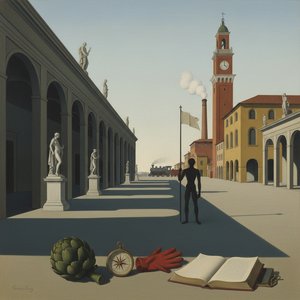
Giorgio de Chirico: Metaphysical Realities & the Poetics of Absence
Explore the captivating world of Giorgio de Chirico and his groundbreaking Metaphysical painting movement. Discover the philosophical depths & surreal imagery that influenced generations of artists. Learn more at OriginalUniqueArt.
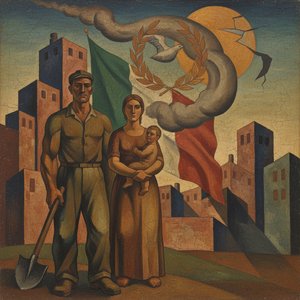
Mario Sironi: A Poetic of Modern Italian Identity Through Symbolism & Social Commentary
Explore the profound works of Mario Sironi, a key figure in Italian Modernism. Discover his evolution from Futurism to Metaphysical painting and his powerful social commentary. Learn about his legacy at OriginalUniqueArt.

