
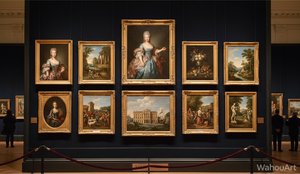
 Náhled v interiéru
 Sdílet
 Sdílet
 Podrobnosti o díle
 Průvodce

 Stáhnout
 Podobné položky
 Rentgenové snímky
 Slideshow
 Otázky a odpovědi
 Statistiky
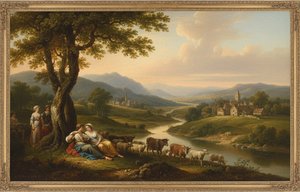
Shepherdess


 Zobrazit více
Giclée / Umělecký tisk
Giclée nebo plátěný tisk muzeální kvality s rychlou výrobou a širokou nabídkou povrchových úprav. ( Koupit ručně malovaný obraz Přepnout na digitální obraz)




P118B Kč10

P118H Kč10

P118W Kč10

P438Z Kč10

P508JH Kč12

P508YH Kč12

P805H Kč10

P805Z Kč10

P919BZ Kč10

P919G Kč10

P919XJ Kč10

P959ZH Kč10

P968JZ Kč12

W106C Kč8

W218G Kč10

W218JH Kč8

W218Y Kč10

W307PJ Kč10

W316G Kč10

W316PJ Kč8

W316Y Kč10

W398PJ Kč8

W4111J Kč10

W500HY Kč15

W500JH Kč15

W692G Kč12

W849H Kč8

W940BG Kč15

W953PJ Kč8




Vyberte si z našich přednastavených velikostí, které odpovídají původním proporcím díla.

Zadejte šířku a výšku, které potřebujete pro váš rám nebo stěnu. Tisk lze pouze oříznout, nikdy však nelze zvětšit obraz nad jeho původní rozměr, proto při výběru jiného formátu dochází ke ztrátě části obrazu. Před samotným tiskem vám zašleme digitální náhled k schválení. Obraz zobrazený na této stránce nenabízí skutečný výřez — ten uvidíte pouze v náhledu.
Celosvětové doručení () do 2 týdnů namísto standardních 4/5 týdnů. (8 listopad)

Zdarma celosvětová expresní doprava

Vysoce kvalitní lněné plátno

Kompletní pojištění přepravy

Záruka vrácení celního poplatku

Záruka věrného barevného souladu

100dení lhůta pro vrácení zboží (pouze při vadách výroby)

100% záruka vrácení peněz

Sleva při více objednávkách
 Skleněná varianta je dostupná pouze u rozměrů menších než 110 cm

Shepherdess
Giclée / Umělecký tisk
Rozměry reprodukce
-


Celková cena za vybrané možnosti reprodukcí
Kč 1763
Biografie umělce
Francesco Antonio Londonio (1723–1783): Shepherd of Milanese Pastoralism
Francesco Antonio Londonio (Milan, 1723 – Milan, 1783) stands as a pivotal figure in the late Baroque and Rococo artistic landscape of Lombardy. Born into a family steeped in artistic tradition—his father was a sculptor—Londonio’s formative years were spent honing his craft under the tutelage of Ferdinando Porta and Giovanni Battista Sassi in Milan, absorbing the stylistic precepts of their time. However, he wasn't confined to Milanese aesthetics; recognizing the broader currents of European art, he embarked on journeys to Rome and Naples, immersing himself in the vibrant artistic milieu of those cities and studying engraving with Benigno Bossi, a skill that would profoundly shape his oeuvre. Londonio’s artistic vision centered around the depiction of pastoral scenes—a genre championed by artists like Ceruti and cifrondi—characterized by an arresting juxtaposition of animals and peasants amidst tranquil landscapes. This fascination resonated deeply with the affluent patrons of Northern Italy who sought art that celebrated simplicity, harmony, and connection to nature. Influenced by Dutch masters such as Nicolaes Berchem, Adriaen van de Velde, and Paulus Potter – artists whose works circulated widely through reproductive prints – Londonio skillfully blended classical ideals with vernacular traditions. His engravings mirrored the stylistic innovations of Gaetano Zompini, demonstrating a keen awareness of contemporary artistic trends. His early training under Porta and Sassi instilled in him the foundational principles of Mannerism, shaping his approach to composition and perspective—a characteristic that would endure throughout his career. Yet, Londonio’s intellectual curiosity propelled him beyond stylistic conventions, prompting explorations into Roman art and engraving techniques. The influence of Benigno Bossi proved particularly significant, equipping him with the mastery of printmaking necessary for disseminating his artistic ideas across Europe. This meticulous craftsmanship ensured that his prints achieved remarkable fidelity to original paintings, furthering the reach of his aesthetic vision. Londonio’s oeuvre is distinguished by its unwavering devotion to the pastoral genre, a stylistic choice that reflects both artistic preference and societal demand. The patronage system prevalent in Milanese aristocratic circles favored depictions of rural life—a realm perceived as embodying moral virtue and spiritual contemplation—resulting in an impressive collection of canvases showcasing livestock and shepherds amidst idyllic landscapes. Artists like Rosa da Tivoli and Giacomo Ceruti served as important models for Londonio, whose works embody the spirit of Arcadia – a concept rooted in classical mythology that idealized pastoral existence as a refuge from urban corruption. A monumental achievement was his involvement in the scenography of La Scala opera house in Milan—a commission bestowed upon him by Empress Maria Theresa. Departing dramatically from the prevailing trend of opulent stucco statuary, Londonio conceived a nativity scene crafted entirely from wooden shapes—a bold innovation that underscored his commitment to naturalistic observation alongside theatrical presentation. This ambitious undertaking signaled Londonio’s willingness to push artistic boundaries and elevate the visual arts beyond mere decorative embellishment, establishing him as a pioneer in architectural decoration and foreshadowing the stylistic transformations of Neoclassicism. His paintings reside primarily within the Pinacoteca di Brera, Milan—a testament to his enduring legacy and an invaluable resource for art historians studying eighteenth-century Lombardese artistic practice. The Biblioteca Ambrosiana houses a substantial collection of Londonio’s drawings, offering insights into his creative process and demonstrating his meticulous attention to detail. Francesco Antonio Londonio's contribution to the artistic heritage of Milanese Baroque and Rococo remains undeniable—a shepherd guiding us through the luminous landscapes of his time.
Francesco Antonio Londonio
1723 - 1783 , Itálie
Rychlé informace o umělci
- Artistic Movement Or Style: Late Baroque / Rococo
- Artists Or Movements Influenced By This Artist:
- Nicolaes Berchem
- Adriaen van de Velde
- Paulus Potter
- Artists Who Influenced This Artist:
- Ferdinando Porta
- Giovanni Battista Sassi
- Benigno Bossi
- Date Of Birth: Milan, Italy (1723)
- Date Of Death: 1783
- Full Name: Francesco Antonio Londonio
- Nationality: Italian
- Notable Artworks: ['Shepherdess']
- Place Of Birth: Milan
Související články

Idyllic Visions: Exploring Pastoral Scenes in Art History – From Arcadia to Modern Interpretations
Explore the captivating history of pastoral art, from classical Arcadia to 19th-century masterpieces. Discover key artists like Millet & Cole and find serene landscape paintings for your home at OriginalUniqueArt.
18. století v umění: Top 10 děl a jejich příběhy | OriginalUniqueArt
Prozkoumejte 10 ikonických děl umění 18. století – od baroka po rokokó! Obrazy Davida, Gainsborough a dalších mistrů. Repliky obrazů pro váš interiér na OriginalUniqueArt.com. Inspirujte se a objevte krásu klasicistního stylu online.

Francesco Guardi: Venetian Light, Atmospheric Perspective & the Rococo to Neoclassical Transition
Explore the captivating world of Francesco Guardi, master of Venetian light and atmosphere. Discover his transition from Rococo to Neoclassicism, influence on Impressionism & investment potential with OriginalUniqueArt.
Idyllic Visions: Exploring the Pastoral Tradition in Western Art – Themes, Techniques & Enduring Appeal
Explore the rich history of pastoral art from classical Arcadia to contemporary interpretations. Discover key artists, themes & collecting tips at OriginalUniqueArt.

Idyllic Visions: Exploring the Pastoral Scene in Art History – From Arcadia to Modern Interpretations
Explore the captivating history of pastoral art from classical Arcadia to modern masterpieces. Discover key artists like Millet & Cole at OriginalUniqueArt. Find serene landscape paintings for your home.