
 Zobrazit v interiéru
 Odeslat
 Sdílet
 Podrobnosti
 Průvodce

 Stáhnout obrázek
 Podobné kousky
 Rentgenové snímky
 Slideshow
 Statistiky
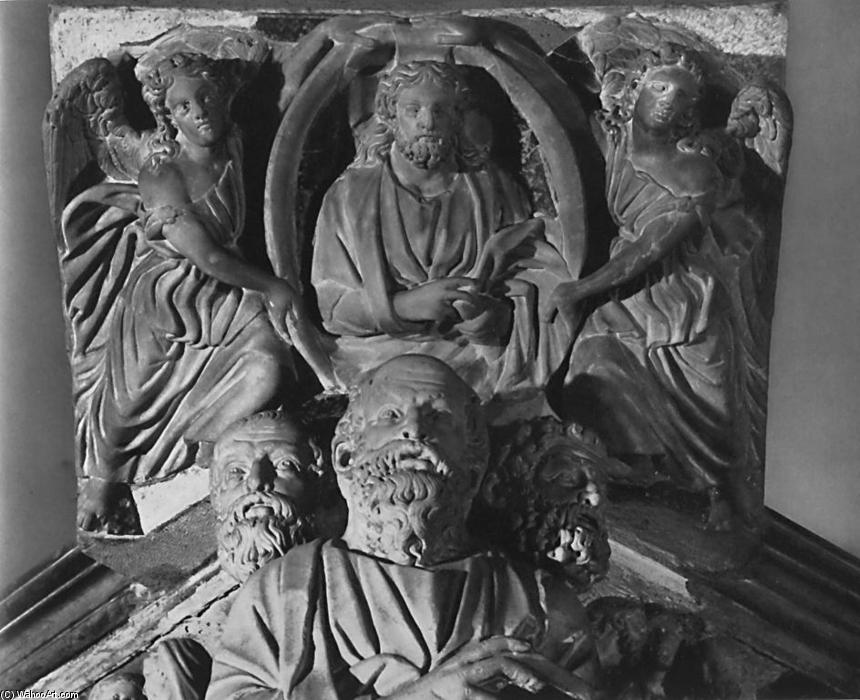
Pulpit (detail)


 Přečíst si více
Umělecké dílo zobrazené na této stránce je chráněno autorským zákonem, což znamená, že nemůžeme legálně vytvářet ani prodávat jeho identickou reprodukci. Tato ochrana je vymáhána na základě mezinárodních dohod, jako například Berberská úmluva a národními zákony, včetně těch stanovených v Americký autorský zákon – Díl 17. Všechna práva vyhrazena.
Jako etickou a právní alternativu nabízíme vlastní, ručně malovaná umělecká díla inspirovaná originálem. Naši zdatní a profesionální umělci si pečlivě studují styl, náladu a uměleckou podstatu originálu, aby vytvořili nové, jedinečné dílo, které vyvolává stejný pocit – přičemž zůstává samostatným originálním tvůrčím dílem.
Tato metoda je plně v souladu s autorským právem, protože nezahrnuje kopírování ani duplikování chráněného díla. Jde o kreativní reinterpretaci – nový obraz, který je inspirován originálem, ale není s ním identický.
Ručně malovaná olejová reprodukce
Ručně malované olejné plátno v libovolném rozměru i s rámem, vyrobené našimi umělci na zakázku. ( Přepnout na tiskové verze Přepnout na digitální verzi obrazu)




































Vyberte si z našich přednastavených velikostí, které odpovídají původním proporcím díla.

Zadejte šířku a výšku, které potřebujete pro váš rám nebo stěnu. Protože se jedná o ruční malbu, při výběru jiného formátu může umělec kolem obrazu domalovat o něco více, nebo jej mírně oříznout — rozhodnete si vy. Před zahájením malby vám zašleme digitální náhled ke schválení. Obraz zobrazený na této stránce neodpovídá skutečnému výsledku — pouze digitální náhled jej zobrazuje.
Po přijetí objednávky vám tým OriginalUniqueArt.com zašle e-mail s pokyny a poskytne náhledovou verzi.
Celosvětová doprava () za 3–4 týdny namísto standardních 5 týdnů. (24 říjen). Bez kompromisů v kvalitě.

Zdarma celosvětová expresní doprava

Vysoce kvalitní lněné plátno

Úplné pojištění přepravy

Záruka vrácení celního poplatku

Záruka věrného barevného shodu

100dení lhůta pro vrácení zboží (pouze při vadách výroby)

100% garance vrácení peněz

Sleva při více objednávkách
 Skleněná varianta je dostupná pouze u rozměrů menších než 110 cm

Pulpit (detail)
Technika provedení
Velikost reprodukce
-


Celková cena
Kč 9115
Biografie umělce
Guglielmo Achille Cavellini: A Pioneer of Self-Historicization and Abstract Art
Guglielmo Achille Cavellini (1914-1990), a name perhaps less familiar than some of his contemporaries, stands as a pivotal figure in the evolution of 20th-century Italian art. Born in Brescia, Italy, into a family with roots in Tuscany’s Lunigiana region – a landscape steeped in artistic tradition – Cavellini's life was one of constant movement and intellectual exploration, ultimately shaping him into a unique artist, collector, and self-historian. His career spanned decades, encompassing painting, performance art, mail art, and most notably, the development of his groundbreaking concept of *autostoricizzazione*—a deliberate attempt to construct a personal history through his own artistic output. Cavellini’s legacy lies not just in his individual works but in his radical approach to defining an artist's identity and relationship to their oeuvre.Early Life and Artistic Beginnings
Guglielmo Achille Cavellini was born on September 11, 1914, into a family deeply connected to the artistic heritage of Tuscany. His parents, hailing from small villages near Pontremoli, brought with them a tradition of craftsmanship and an appreciation for visual culture. Following his father’s work as a bricklayer and later as a hawker, the family relocated to Switzerland, then Lombardy, eventually settling in Brescia where they opened a store called Bazar 33. From a young age, Cavellini demonstrated a keen interest in drawing and painting, primarily landscapes—a reflection of his familial ties to the rolling hills and picturesque scenery of Tuscany. His formal artistic education began at the Cesare Arici Jesuit College, where he studied for nine years, but was forced to interrupt his studies due to family responsibilities. This early exposure to both traditional academic training and independent exploration laid the foundation for his later experimentation with diverse art forms.Influences and Artistic Development
Cavellini’s artistic journey was profoundly shaped by a series of encounters and experiences. A pivotal meeting in 1935 with Lisetta, whom he would marry, provided him with a crucial creative partnership. In 1938, while residing in Cortina d'Ampezzo, he befriended the painter Domenico Mucci, who offered him invaluable painting lessons. This period marked an important shift towards abstraction and experimentation. Crucially, Cavellini’s artistic development was fueled by his extensive travels and engagement with the art world. He spent time in Venice, absorbing the atmosphere of the city and studying the works of Filippo de Pisis; he visited Burano, where he met another influential painter. However, it was a visit to the Procuratie in Venice, before Giorgione’s *Tempest*, that proved particularly transformative. There, he encountered Emilio Vedova, who encouraged him to organize an exhibition showcasing his own work, alongside the contributions of Giuseppe Santomaso and art critics Giuseppie Marchiori and Marco Valsecchi. This event served as a crucial validation of his artistic vision and established him within the burgeoning Italian avant-garde scene. The collection he curated included works by Giorgio de Chirico, Amadeo Modigliani, Giorgio Morandi, Henri Rousseau, André Derain, Alfred Sisley, and Paul Cézanne – artists whose diverse styles and approaches undoubtedly influenced his own evolving aesthetic.Innovation: Autostoricizzazione and Mail Art
In the 1960s, Cavellini developed a truly unique concept—*autostoricizzazione*, or self-historicization. Rejecting traditional biographical accounts of artists, he began to construct his own personal history through his art itself. He created a series of works, including *Exhibitions at Home* and *Round Trip*, which functioned as deliberate narratives about his life, experiences, and artistic process. This involved sending himself postcards bearing images of his artwork, accompanied by handwritten notes—a form of mail art that simultaneously documented his activities and actively shaped the perception of his career. This innovative approach challenged conventional notions of authorship and artistic identity, positioning the artist not merely as a creator but as an active participant in shaping their own historical narrative.Legacy and Significance
Guglielmo Achille Cavellini’s contribution to 20th-century art is multifaceted. He was a pioneer of Mail Art, pushing the boundaries of artistic communication through unconventional means. His exploration of Neo-Dada and performance art further solidified his position as a key figure in Italian avant-garde movements. However, it is *autostoricizzazione* that truly distinguishes Cavellini’s work—a radical concept that continues to resonate with contemporary artists grappling with questions of identity, authorship, and the role of art in shaping our understanding of history. His influence extends beyond his individual creations; he left behind a legacy of experimentation, self-reflection, and a profound challenge to established artistic conventions. His archive, meticulously assembled over decades, offers a unique window into the mind of an artist who actively constructed his own story through the very act of creating art.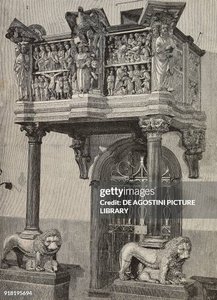
Fra Guglielmo
1914 - 1990 , United Kingdom
Rychlé informace
- Full Name: Guglielmo Achille Cavellini
- Nationality: Italian
- Date Of Birth: 1914
- Date Of Death: 1990
- Place Of Birth: Brescia, United Kingdom
- Notable Artworks:
- Autostoricizzazione
- Round Trip
- Artistic Movement Or Style:
- Abstract art
- Mail Art
- Neo-Dada
- Performance art
- Artists Who Influenced This Artist:
- Giorgio de Chirico
- Amedeo Modigliani
- Gennaro Bellini
- Artists Or Movements Influenced By This Artist: ['Modern Italian art']