Early Renaissance · 1442
The Annunciation (Fra Angelico, 1442)
Fra Angelico (1395–1455) vytvořil dílo The Annunciation. Pochází z roku 1442. Patří k hnutí Early Renaissance. Je vyrobeno z Fresco. Nachází se v Klášter svatého Marka v Florencie, Itálie. Rozměry jsou 230 × 321 cm.
- 1442
- Fresco
- 230 × 321 cm
- Klášter svatého Marka, Florencie

 Ručně malovaná olejná reprodukce
 Sdílet
 Sdílet
 Informační list


 Stáhnout
 Podobné položky
 Slideshow
 Otázky a odpovědi

 Statistiky
The Annunciation v kostce
- Název díla
- The Annunciation
- Autor
- Fra Angelico (1395–1455)
- Rok narození umělce
- Rupesana, Itálie
- Datum vytvoření
- 1442
- Technika
- Fresco
- Rozměry
- 230 × 321 cm
- Kde jej vidět
- Klášter svatého Marka, Florencie, Itálie
- Pohyb
- Early Renaissance
- Období
- Renaissance
- Motiv
- annunciation, mary, gabriel, angel, fresco, medieval
Co przedstawuje dílo The Annunciation?
A Moment of Divine Revelation: Fra Angelico’s “The Annunciation”
Fra Angelico's "The Annunciation," painted in 1442, is more than just a depiction of a pivotal biblical event; it’s an immersion into a realm of serene spirituality and exquisite detail. This fresco, housed within the walls of a Dominican monastery (though its exact location has shifted over time), captures the profound moment when the Archangel Gabriel announces to Mary that she will conceive and bear the son of God. The painting immediately draws the viewer in with its carefully orchestrated composition – a sense of quiet grandeur achieved through the strategic placement of arches, benches, and the central figures themselves.
The scene unfolds within a room bathed in a soft, diffused light, characteristic of Fra Angelico’s signature style. Earth tones dominate the palette—ochres, siennas, and umbers—creating an aged, almost timeless quality that speaks to the enduring nature of faith. This deliberate use of color isn't merely decorative; it evokes the atmosphere of a monastic setting, reflecting the contemplative life of the Dominican order. Notice how the artist masterfully employs *sfumato*, a technique borrowed from Leonardo da Vinci, softening edges and creating an ethereal haze that contributes to the overall sense of otherworldly beauty.
The Dance of Figures: Composition and Symbolism
At the heart of the composition are Mary and Gabriel. Mary, kneeling in humble reverence, gazes upwards with a mixture of surprise and acceptance. Her posture is graceful yet grounded, embodying both vulnerability and strength. The angel, rendered with delicate wings outstretched, presents the news with an air of solemnity and divine authority. The subtle shift in their gestures—Mary’s downward tilt of her head versus Gabriel's raised hand—creates a dynamic interplay between them, illustrating the exchange of this momentous revelation.
Beyond the central figures, details abound that enrich the narrative. The two benches flanking the scene aren’t merely architectural elements; they represent the earthly realm and the setting for this divine encounter. The presence of a third figure, partially obscured within the architecture – often interpreted as John the Baptist or even an attendant – adds to the sense of a sacred space unfolding before our eyes. The lilies held by Gabriel are a potent symbol of purity and virginity, directly referencing Mary’s role in salvation history.
A Masterclass in Early Renaissance Technique
Fra Angelico's skill as a painter is immediately apparent in the meticulous detail of "The Annunciation." He was renowned for his painstaking preparation – often sketching numerous studies before committing to fresco. This dedication is evident in the rendering of Mary’s garments, the folds of her veil, and the intricate details of Gabriel’s wings. The artist's use of *tempera* on gesso—a technique common at the time—allowed for layering colors and achieving remarkable luminosity.
- Layered Fresco Technique: Fra Angelico employed a meticulous process, starting with a rough ground (gesso) and building up layers of color to create depth and vibrancy.
- Sfumato Effect: The subtle blurring of lines and edges, particularly around the figures’ faces, contributes to the painting's ethereal quality.
- Symbolic Color Palette: The earth tones evoke a sense of monastic austerity and spiritual contemplation.
Emotional Resonance and Timeless Beauty
"The Annunciation" transcends its biblical subject matter, offering a profound meditation on faith, humility, and divine grace. It’s a painting that invites quiet reflection, prompting viewers to consider the transformative power of belief. Fra Angelico's ability to capture such intense emotion with such understated elegance is what secures this work’s place as one of the most beloved and enduring images of the Early Renaissance. OriginalUniqueArt offers exceptional reproductions of this masterpiece, allowing you to bring its serene beauty into your home or office – a testament to the timeless artistry of Fra Angelico.
Ve kterém muzeu se nachází The Annunciation?
Klášter svatého Marka
Florencie, Itálie
Svatyně víry a umění Klášter San Marco stojí jako jedinečné svědectví florentského uměleckého dědictví – místo, kde se duch renesance prolíná s hlubokou náboženskou oddaností. Toto místo však není jen prostým domovem mistrovských děl; nabízí pohlcující cestu zpět do patnáctého století a zve návštěvníky k zamyšlení nad odkazem Fra Angelika a Girolama Savonaroly uvnitř stěn nádherně zachovalého dominikánského kláštera. Původně založený jako vallombroský klášter ve třináctém století, transformace San Marca na živoucí centrum humanistického myšlení a uměleckých inovací začala díky patronátu Cosima de' Medici – což byl zásadní okamžik, který zajistil příchod reformovaného dominikánského řádu a nastínil éru bezprecedentní kreativity.


Vysokorozlišené fotografie díla The Annunciation

Fra Angelico, The Annunciation (1442), Klášter svatého Marka. Veřejná doména
Odpovědi na otázky k dílu The Annunciation
Které muzeum uchovává originál díla "The Annunciation"?
Originál díla „The Annunciation“ od Fra Angelico je uložen v instituci Klášter svatého Marka, Florencie, Itálie. Reprodukce však umožňuje toto dílo vystavit i ve vašem domově.
V jakém roce vzniklo dílo "The Annunciation"?
Dílo "The Annunciation" pochází z roku 1442. Toto datum situuje dílo do období tvůrčí činnosti Fra Angelico i do jeho dobové kontextu.
Jakou technikou je vytvořeno dílo "The Annunciation"?
Technikou díla „The Annunciation“ od Fra Angelico je Fresco. Reprodukce mají za cíl věrně zachytit vzhled této techniky.
Jaké jsou rozměry originálu „The Annunciation“?
Původní rozměry díla "The Annunciation" jsou 230 x 321 cm. Původní rozměry slouží jako užitečný vodítko při výběru velikosti reprodukce.
Jaká témata se objevují v díle „The Annunciation“ od Fra Angelico?
„The Annunciation“ od Fra Angelico zobrazuje: annunciation, mary, gabriel, angel, fresco, medieval, spirituality, tuscan.
Patří „The Annunciation“ od Fra Angelico do volného tisku?
Dílo „The Annunciation“ od Fra Angelico spadá do v rámci volného užití – autorská práva vypršela. Tento stav určuje pravidla pro reprodukci obrazu tohoto díla.
Kdo vytvořil "The Annunciation"?
Dílo "The Annunciation" vytvořil/a Fra Angelico. Informace na této stránce popisují originální dílo umělce Fra Angelico.
K jakému stylu patří „The Annunciation“?
Dílo „The Annunciation“ od Fra Angelico patří k období směru Early Renaissance, který dílu dodává jeho stylistický kontext.
Do které období tvorby Fra Angelico patří dílo „The Annunciation“?
V rámci kariéry umělce Fra Angelico spadá dílo „The Annunciation“ do období Early Renaissance. Tato fáze umožňuje jeho srovnání s dalšími díly tohoto umělce.
O umělci, Fra Angelico
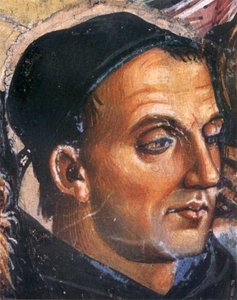
1395–1455, Itálie
Fra Angelico
Raný život a duchovní formování Narodil se jako Guido di Pietro v oblasti Mugello, a muž, který se později proslavil pod jménem Fra Angelico, začal svou cestu v toskánských kopcích nedaleko Florencie. Kolem roku 1395 byl znám jako Giovanni da Fiesole. Jeho raná léta byla formována tichou krajinou tohoto regionu. Postupem času se mladý Giovanni rozhodl vstoupit do dominikánského řádu ve Fiesole.
Také od autora Fra Angelico
 Annunciace1430
 Madona s Dětětem, svatými a ukřižováním
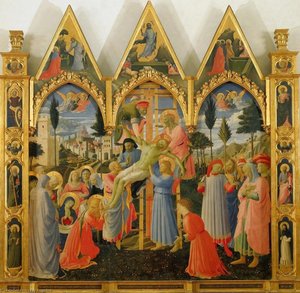 Depozice z Kříže
 Poslední soud1431
Eseje k tématu The Annunciation
 Divine Beauty: The 25 Most Iconic Masterpieces by Fra AngelicoJourney through the divine beauty of Fra Angelico's finest works. Explore 25 iconic Renaissance masterpieces, from ethereal frescoes to sac…
 The Enduring Legacy of Fresco: Technique, History & Artistic ExpressionExplore the rich history & enduring artistry of fresco painting. Discover techniques from Giotto to Michelangelo, conservation efforts, & m…
 Sacred Narratives: Decoding the Iconography and Artistry of the AnnunciationExplore the profound symbolism and mastery behind Renaissance Annunciation paintings. Discover the secrets of these sacred masterpieces now.