
 Náhled
 Sdílet
 Sdílet
 Podrobnosti o díle

 Stáhnout
 Podobné položky
 Rentgenové snímky
 Slideshow
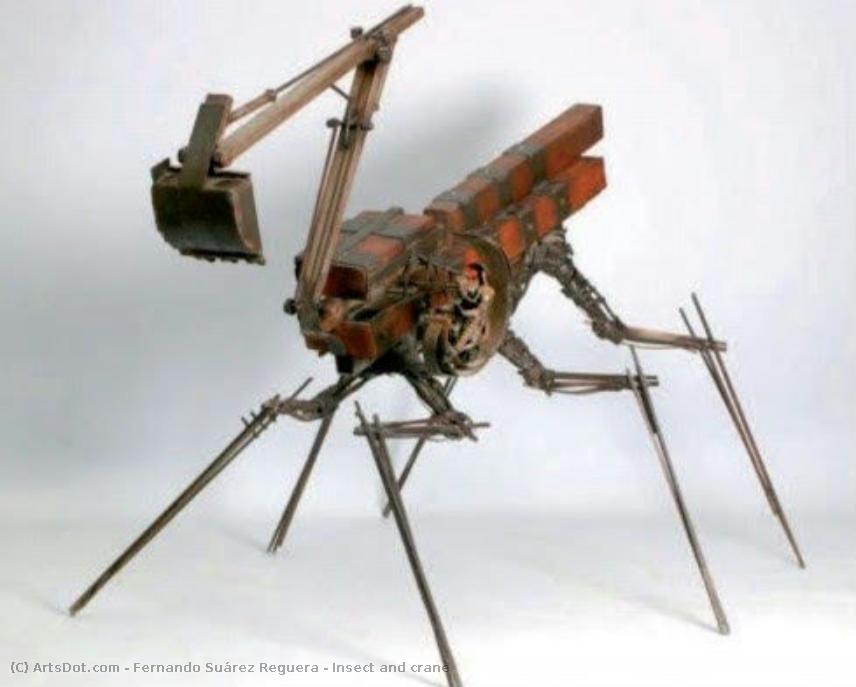
Insect and crane


 Zobrazit více
Giclée / Umělecký tisk
Giclée nebo plátěný tisk muzeální kvality s rychlou výrobou a flexibilními možnostmi povrchové úpravy. ( Koupit ručně malovaný obraz Koupit obrázek)




































Vyberte si z našich přednastavených velikostí, které odpovídají původním proporcím díla.

Můžete zadat vlastní rozměry tak, aby výtvor odpovídal konkrétnímu rámu nebo prostoru. Pokud zvolená velikost nebude odpovídat poměru stran původního obrazu, dílo buď ořížeme, nebo obraz rozšíříme pomocí zrcadlového efektu či jednobarevného okraje. Před zahájením výroby vám bude zaslán digitální náhled k schválení.
Mějte prosím na paměti, že náhled na obrazovce neodráží skutečné oříznutí nebo rozšíření. Pouze digitální náhled přesně zobrazí finální kompozici.
Ačkoliv jsou k dispozici i vlastní rozměry, pro zachování původních proporcí doporučujeme vybrat si rozměr z předdefinovaného seznamu.
Celosvětové doručení () do 2 týdnů namísto standardních 4/5 týdnů. (13 srpen)

Zdarma celosvětová expresní doprava

Vysoce kvalitní lněné plátno

Kompletní přepravní pojištění

Záruka vrácení celního poplatku

Záruka přesného barevného shodu

60denní lhůta pro vrácení zboží (pouze při vadách výroby)

100% garance vrácení peněz

Sleva při hromadné objednávce
 Skleněná varianta je dostupná pouze u rozměrů menších než 110 cm

Insect and crane
Giclée / Umělecký tisk
Rozměry reprodukce
-


Celková cena za výběr
$ 80
Biografie umělce
The Sculptural Rhythm of Fernando Suárez Reguera
In the quiet, historic landscapes of Segovia, Spain, a profound fascination with form and texture began to take root in the mind of Fernando Suárez Reguera. Born in 1966, Reguera did not merely seek to represent the world; he sought to capture its very pulse. His journey into the realm of sculpture is a narrative of innate curiosity meeting an unyielding creative capacity. Unlike those bound by the rigid constraints of traditional academicism, his development was an organic evolution, driven by a desire to explore the interplay between movement, materiality, and the silent language of space. This pursuit has led him to become one of the most versatile sculptors of his generation, a master capable of navigating diverse creative paths while maintaining a singular, recognizable vision.
The foundations of Reguera’s aesthetic were laid through deep encounters with both classical mastery and the avant-garde spirit. During his time at the Museo Goya in Paris, he was profoundly moved by the legacies of Spanish masters such as Federico de Madrazo y Künz and Alonso Cano. These encounters instilled in him a reverence for meticulous craftsmanship and the ability to translate the human experience into visual language. However, it was the monumental presence of Auguste Rodin that truly ignited his understanding of psychological depth and emotional resonance. From these influences, Reguera learned to treat metal and wood not as static mediums, but as living elements capable of conveying weightlessness and tension.
The Alchemy of Metal and Motion
To witness a work by Suárez Reguera is to experience a moment frozen in time, yet vibrating with potential energy. His signature style is defined by an obsession with rhythm and the strategic occupation of space. While many sculptors aim for permanence through stillness, Reguera pursues the ephemeral quality of a gesture. He possesses an unusual mastery over capturing the precise second where a movement begins or ends—a feat he achieves through the clever manipulation of scale, repetition, and geometric patterns. His sculptures often feature a muscular, powerful anatomy, where limbs are shaped by metal blades and rods, creating a hybrid existence that feels both human and futuristic.
His technical repertoire is as surprising as it is diverse. While iron and bronze serve as his primary languages, he frequently ventures into the unexpected to expand his artistic vocabulary:
- Material Versatility: The use of resin to introduce new textures and light-catching surfaces.
- Optical Illusion: The manipulation of mirrors to multiply effects and alter spatial perception.
- Dynamic Equilibrium: A continuous game of balance where figures appear to jump, climb, or fight against gravity.
- Architectural Integration: An exploration of how sculpture interacts with bridges, buildings, and exotic environments.
A Legacy Carved in Space
The significance of Fernando Suárez Reguera lies in his ability to bridge the gap between the visceral and the intellectual. His work does not merely sit within a room; it transforms the environment around it. By studying the individual as both a creator and a being that reshapes their surroundings, he invites viewers to contemplate the relationship between the human body and the structures we inhabit. This profound connection has earned him recognition in prestigious institutional spaces across the globe, from the IVAM in Valencia to the Chang-Wong Museum of Contemporary Art in South Korea.
Throughout his career, which includes numerous solo and group exhibitions, Reguera has remained a restless explorer. Whether he is sculpting the heavy, grounded presence of a bronze figure or the light, airy tension of an abstract metal composition, his work remains anchored by a singular devotion to movement. He stands as a testament to the power of contemporary sculpture to capture the fleeting essence of life, leaving behind a legacy that is as much about the space between the forms as it is about the forms themselves.

fernando suárez reguera
1930 - 2000 , Spain
Rychlé fakta
- Artistic Movement Or Style: Contemporary Sculpture
- Artists Or Movements Influenced By This Artist: ['Mexican Art Collection']
- Artists Who Influenced This Artist:
- Angel Zarraga
- Pierro Dorazio
- Salvador Dali
- Date Of Birth: November 16, 1930
- Full Name: Fernando Suárez Reguera
- Nationality: Spanish
- Notable Artworks:
- Insect and Crane
- Of Walls in Ruins
- Place Of Birth: Segovia, Spain

