 Přepnout na tisk
 Zobrazit více







































 U děl nebo reprodukcí, u nichž je jakákoliv strana větší než 105 cm (přibližně 41 palců), bude rám dodán jako sestava v rozloženém stavu. Tato metoda zajišťuje bezpečné doručení a chrání dílo před poškozením během přepravy.


A Symphony of Form and Industrial Grace
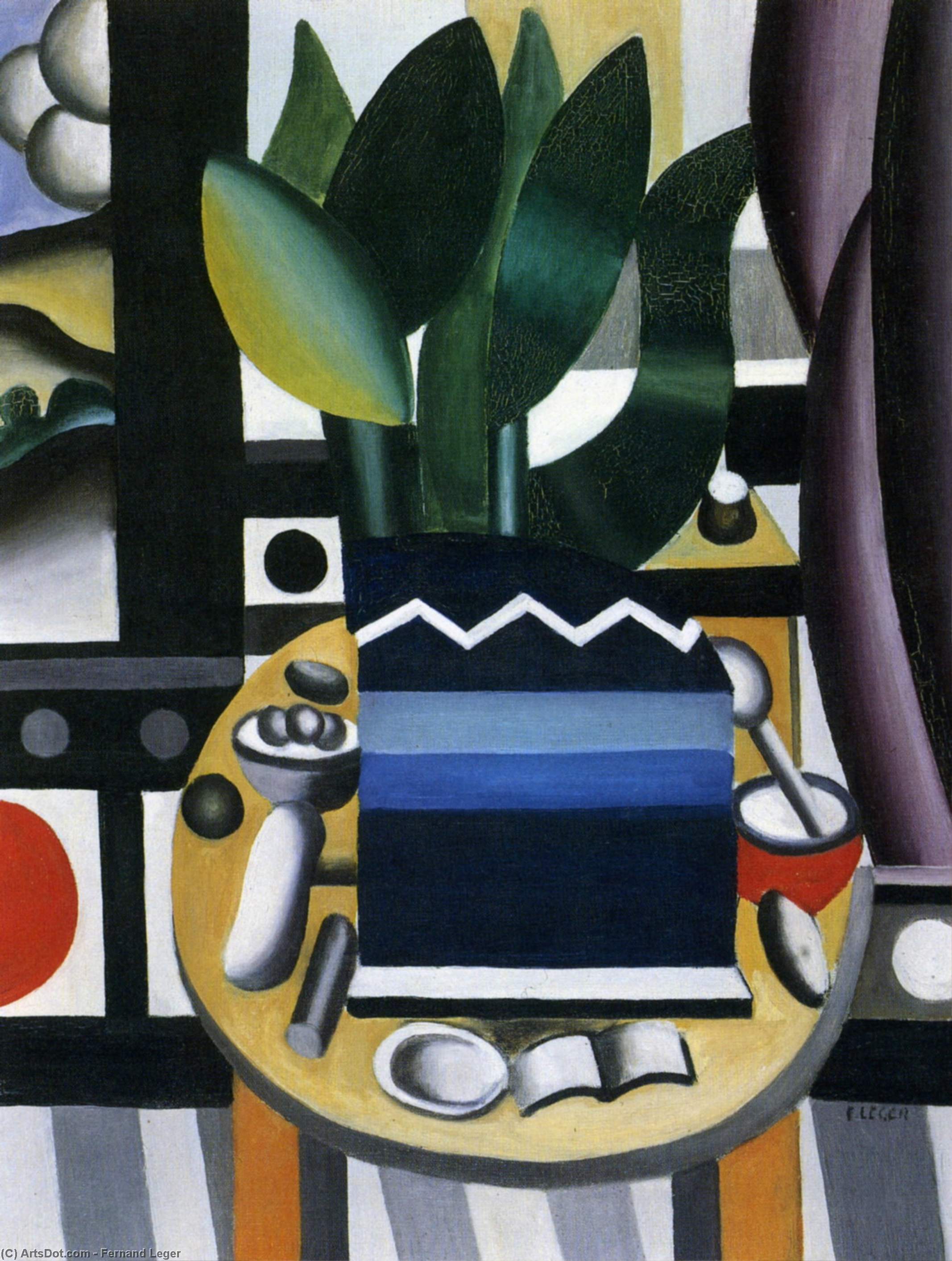
The year 1922 marked a transformative era in the Parisian avant-garde, and Fernand Léger’s Still Life with Candlestick stands as a profound testament to this period of radical reinvention. Moving away from the fleeting, light-drenched impressions of his predecessors, Léger crafted a vision that celebrated the structural integrity of the modern world. This masterpiece is not merely an arrangement of tabletop objects; it is a deliberate construction of geometric planes and rhythmic intersections. Through his unique lens, the humble candlestick and the scattered bowls are elevated into a dance of shapes, where the boundaries between object and space begin to blur. For the discerning collector or interior designer, this piece offers a sophisticated anchor for any space, bringing with it a sense of ordered dynamism and a timeless connection to the dawn of the machine age.The Geometry of Modernity
Léger’s technique in this work reveals a masterful command over the language of Cubism and Futurism. Rather than relying on traditional perspective to create an illusion of depth, he employs a fractured approach that emphasizes the materiality of each element. The composition is built upon a foundation of meticulous geometric precision, where muted blues, earthy ochres, and crisp whites interact to create a contemplative yet energetic atmosphere. His brushwork, though controlled, possesses a textural richness that honors the physical presence of the subjects. By dissecting forms into distinct, overlapping segments, Léger invites the viewer to reconstruct the scene mentally, creating an engaging, intellectual experience. This interplay of light and shadow within the geometric facets provides a rhythmic quality that breathes life into the static arrangement, making it a captivating focal point for contemporary decor.Symbolism and the Spirit of Progress
Beyond its aesthetic brilliance, the painting serves as a symbolic bridge between the pastoral past and an industrial future. Born in the agricultural heart of Normandy, Léger never truly abandoned the groundedness of his roots, yet he became one of the most vocal painters of the technological revolution. In Still Life with Candlestick, the use of heavy, almost sculptural forms suggests the strength and permanence of industrial progress. The objects themselves—the candlestick, the bowls, the vessels—are treated with a weightiness that mirrors the steel and machinery of a burgeoning era. This tension between the domestic stillness of a still life and the underlying energy of modern advancement creates an emotional resonance that is both soothing and stimulating. It is a work that celebrates the beauty found in structure, making it an ideal choice for those who appreciate art that reflects strength, clarity, and the enduring spirit of innovation.Otázky a odpovědi
Jaký emocionální tón doprovází styl Cubism u díla „Still life“?
„Still life“ vyzařuje Calm emocionální nádech v rámci směru Cubism.
Je k dispozici vysokorozlišená verze ke stažení díla "Still life"?
Digitální obraz díla „Still life“ od Fernand Léger si můžete zakoupit na jeho stránce pro digitální objednávky Digitální snímek: stažení digitálního obrazu ve vysokém rozlišení.
V jaké technice a v jakém roce vzniklo dílo „Still life“ od Fernand Léger?
Dílo „Still life“ vzniklo v roce 1922 s využitím techniky Oil. Materiál a datum popisují, jakým způsobem a kdy byl originál vytvořen.
 Náhled v interiéru
 Sdílet
 Sdílet
 Podrobnosti o díle
 Průvodce

 Stáhnout
 Podobné položky
 Rentgenové snímky
 Slideshow
 Otázky a odpovědi
 Statistiky