 Náhled v interiéru
 Sdílet
 Sdílet
 Podrobnosti o díle
 Průvodce

 Stáhnout
 Podobné položky
 Rentgenové snímky
 Slideshow
 Otázky a odpovědi
 Statistiky
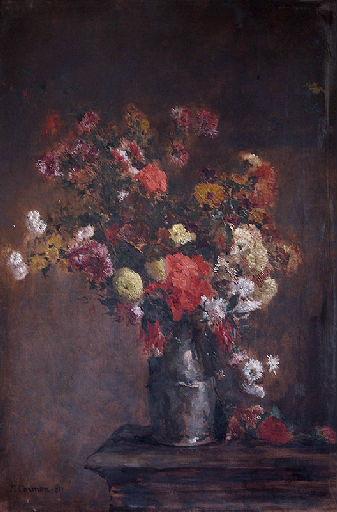
Fleurs

 Zobrazit více
Získejte soubor připravený k tisku, který svou kvalitou výrazně převyšuje webový náhled. Každý prodávaný digitální obraz pochází z vysokorozlišeného originálu v naší databázi – obvykle o šířce 5 000 až 15 000 pixelů – díky čemuž můžete tisknout ve velkém formátu, provádět těsný střih nebo si s jistotou užít i ty nejjemnější detaily.
Žádný soubor neopustí naše studio bez úprav. Digitální expert kontroluje barvy v porovnání s původním malířským dílem a v případě potřeby je upravuje, poté pomocí profesionálních nástrojů pro retuš zvyšuje ostrost a detailnost — přičemž vždy zůstává věrný tahům štětcem a stylu umělce. Výsledkem je obraz, který vypadá jako malba, nikoliv jako naskenovaný snímek s filtrem.
Schvalování před dokončením: náš expert vám do 72 hodin zašle obraz e-mailem k revizi. Nejsste spokojeni? Můžete požádat o úpravy či opravy, nebo si můžete vyžádat vrácení peněz, pokud kvalita neodpovídá vašim očekáváním.
Tuto kvalitu využívají vydavatelství, designová studia, galerie i tiskárny.
Digitální obrazy
Stáhněte si soubor ve vysokém rozlišení pro osobní prohlížení, tisk nebo kreativní projekty. ( Přepnout na tisk Koupit ručně malovaný obraz)
Součást každé objednávky digitálního obrazu
Profesionální digitální doručení, zaručené
Když si vyberete OriginalUniqueArt.com, nezískáváte pouze obrázek – získáváte digitální umělecké dílo s profesionálně vylepšenými detaily, zpracované s precizností a podpořené zárukou za spokojenost. Zde je vše, co vaše objednávka automaticky obsahuje:

Rychlé doručení e-mailem
Váš digitální obraz ve vysokém rozlišení vám bude zaslán e-mailem do 72 hodin od objednávky – připraven k okamžitému použití.

Digitální soubor s využitím AI
Vaše umělecké dílo je profesionálně optimalizováno pomocí pokročilých nástrojů umělé inteligence a manuální úpravy, což zajišťuje maximální úroveň detailu, ostrosti a přesnosti barev.

Doživotní bezplatné znovuodeslání digitálních obrazů
Soubor jste omylem smazali nebo ztratili? Žádný problém – kdykoliv vám ho znovu zašleme zcela zdarma.

Bez poplatků za dovoz – navždy
Užijte si své umělecké dílo okamžitě bez celních poplatků, daní nebo nákladů na dopravu – digitální stažení je vždy bez daňových povinností.

Záruka přesnosti barev
Díky profesionálním nástrojům a správě barev zajišťujeme, aby váš digitální obraz odrážel původní barvy co nejvěrněji.

100dená záruka spokojenosti
Pokud nebudete s digitálním obrázkem spokojeni, provedeme jeho revizi nebo vám vrátíme 100% platby do 100 dnů – bez jakýchkoliv dotazů.

100% záruka vrácení peněz
Nespokojeni? Získejte plnou náhradu peněz do 100 dnů od obdržení digitálního souboru – bez zbytečných dotazů.

Slevy při hromadných objednávkách
Koupě 3 obrazů ušetří 10% – Koupě 5 obrazů ušetří 15% – Koupě 10+ obrazů ušetří 20%. Ideální pro kreativní projekty, galerie a agentury.
Biografie umělce
Fernand Cormon: A Painter of Myth, History, and the Human Spirit
Fernand Cormon (1845-1924) wasn’t merely a painter; he was a chronicler of humanity's journey through time, a master of dramatic storytelling rendered in rich color and evocative detail. Born into an artistic milieu – his father, Eugène Cormon, was a celebrated playwright, and his mother, Charlotte Furais, a renowned actress – Fernand inherited a deep appreciation for performance and narrative. This theatrical sensibility profoundly shaped his approach to art, imbuing his historical scenes with a palpable sense of drama and immediacy. His early training at the studios of Alexandre Cabanel, Eugène Fromentin, and Jean-François Portaels provided him with a solid foundation in academic technique, but it was Cormon’s own distinctive vision that ultimately defined his legacy.
Cormon's artistic trajectory began with a fascination for the sensational. Early works like “Murder in the Seraglio” (1868) and “The Death of Ravana” (1875), depicting scenes of violence and bloodshed, garnered attention – some critical acclaim, but also controversy for their graphic realism. These pieces established his reputation as an artist unafraid to confront difficult subjects, a characteristic that would continue to inform his work throughout his career. However, Cormon’s artistic interests soon broadened beyond mere spectacle. He demonstrated a keen interest in mythology and the grand narratives of history, seeking to capture not just events but also the emotions and human dramas inherent within them.
The Salon Years and Artistic Development
Cormon's rise to prominence was inextricably linked to the prestigious Paris Salon, the dominant art exhibition of its time. He consistently exhibited at the Salon from 1863 onwards, gaining recognition for his powerful compositions and masterful brushwork. The Salon’s emphasis on historical painting provided Cormon with a vital platform to showcase his abilities and establish himself as one of France's leading historical artists. His early successes – medals in 1870 and 1873 – solidified his position within the artistic establishment.
A pivotal moment in Cormon’s career arrived with the commission for “Cain Fleeing Before Jehovah’s Curse” (1880), a monumental work that cemented his reputation for dramatic intensity. This painting, depicting the biblical story of Cain and Abel, demonstrated Cormon's ability to convey profound emotion through gesture, color, and composition. The sheer scale and emotional power of “Cain” established him as a major force in French art. He continued to explore themes of mythology and history, producing iconic works such as "A Forge" (1894) and "Anticipation," each imbued with his characteristic dramatic flair.
Beyond the Salon: Portraits and Institutional Commissions
While Cormon remained a committed participant in the Salon system, he also expanded his artistic practice beyond traditional historical painting. He became increasingly sought after as a portraitist, capturing the likenesses of prominent figures from Parisian society. His portraits were notable for their psychological depth and ability to reveal the inner lives of his subjects. He was particularly known for his evocative depictions of women.
A significant commission during this period came from the Musée de l'Homme (now part of the Natural History Museum), where he created a series of panels illustrating key stages of human development – birth, death, marriage, war, and peace. These grisaille murals, executed with remarkable skill and detail, offered a visual narrative of humanity’s journey through time and demonstrated Cormon’s versatility as an artist. His work on the museum's prehistoric collections, particularly his depictions of Stone Age life, showcased his commitment to exploring themes of human origins and evolution.
Legacy and Influence
Fernand Cormon’s career spanned several decades, witnessing significant shifts in the art world. Despite experiencing a period of relative obscurity after World War I, he remained a respected figure within the artistic community. His influence can be seen in the work of numerous artists who studied at his atelier, including Henri de Toulouse-Lautrec, Louis Anquetin, and Vincent van Gogh (who visited Cormon’s studio in 1888). Cormon's emphasis on dramatic storytelling, expressive brushwork, and a deep engagement with historical and mythological themes left an enduring mark on French painting.
His untimely death in 1924 – struck down by a taxi outside his studio – cut short a remarkable career. Today, Cormon’s paintings are housed in major museums across France and beyond, testament to the lasting power of his artistic vision. He remains a compelling figure in French art history, celebrated for his ability to capture the drama, emotion, and enduring spirit of humanity.

Fernand Cormon
1845 - 1924 , France
Stručné informace
- Artistic Movement Or Style: Historical painting
- Artists Or Movements Influenced By This Artist:
- Van Gogh
- Lautrec
- Artists Who Influenced This Artist:
- Cabanel
- Fromentin
- Portaels
- Date Of Birth: 1845
- Date Of Death: 1924
- Full Name: Fernand-Anne Piestre dit Cormon
- Nationality: French
- Notable Artworks:
- Murder in Sereglio
- Death of Ravana
- Cain fleeing Jehovah
- Place Of Birth: Paris, France