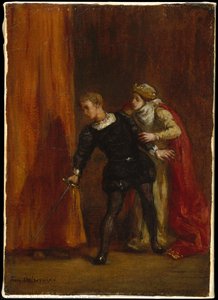
Náhled v interiéru
 Sdílet
 Sdílet
 Podrobnosti o díle
 Průvodce

 Stáhnout
 Podobné položky
 Rentgenové snímky
 Slideshow
 Statistiky
The Lamentation


 Zobrazit více
Ručně malovaná olejová reprodukce
Rukou malované olejné plátno v libovolném rozměru i s rámem, vyrobené našimi umělci na zakázku. ( Přepnout na tisk Přepnout na digitální obraz)




P118B Kč10

P118H Kč10

P118W Kč10

P438Z Kč10

P508JH Kč12

P508YH Kč12

P805H Kč10

P805Z Kč10

P919BZ Kč10

P919G Kč10

P919XJ Kč10

P959ZH Kč10

P968JZ Kč12

W106C Kč8

W218G Kč10

W218JH Kč8

W218Y Kč10

W307PJ Kč10

W316G Kč10

W316PJ Kč8

W316Y Kč10

W398PJ Kč8

W4111J Kč10

W500HY Kč15

W500JH Kč15

W692G Kč12

W849H Kč8

W940BG Kč15

W953PJ Kč8




Vyberte si z našich přednastavených velikostí, které odpovídají původním proporcím díla.

Zadejte šířku a výšku, které potřebujete pro váš rám nebo stěnu. Protože se jedná o ruční malbu, při výběru jiného formátu může umělec kolem obrazu domalovat o něco více, nebo jej mírně oříznout — rozhodnete si vy. Před zahájením malby vám zašleme digitální náhled ke schválení. Obraz zobrazený na této stránce neodpovídá skutečnému výsledku — pouze digitální náhled jej zobrazuje.
Po přijetí objednávky vám tým OriginalUniqueArt.com zašle e-mail s pokyny a poskytne náhledovou verzi.
Celosvětová doprava () za 3–4 týdny namísto standardních 5 týdnů. (26 říjen). Bez kompromisů v kvalitě.

Zdarma celosvětová expresní doprava

Vysoce kvalitní lněné plátno

Kompletní pojištění přepravy

Záruka vrácení celního poplatku

Záruka věrného barevného souladu

100dení lhůta pro vrácení zboží (pouze při vadách výroby)

100% záruka vrácení peněz

Sleva při více objednávkách
 Skleněná varianta je dostupná pouze u rozměrů menších než 110 cm

The Lamentation
Technika reprodukce
Rozměry reprodukce
-


Celková cena za vybrané možnosti reprodukcí
Kč 6415
The Lamentation: A Soulful Echo of Grief
Eugène Delacroix’s “The Lamentation,” painted in 1857, isn't merely a depiction of sorrow; it’s an immersive experience of profound grief and spiritual yearning. Housed within the Staatsgalerie in Karlsruhe, Germany, this monumental canvas transcends its religious subject matter to become a universal meditation on loss, faith, and the human condition. Delacroix, a pivotal figure in the Romantic movement, masterfully employed his signature expressive brushwork and vibrant color palette – techniques honed through admiration of Rubens and the Venetian masters – to capture the raw emotional intensity of Christ’s death and the mourning of those closest to him. The painting isn't about simply illustrating a biblical scene; it’s about conveying the *feeling* of that moment, an almost palpable sense of despair that resonates deeply with the viewer.A Composition Steeped in Symbolism
The arrangement of figures within “The Lamentation” is meticulously crafted to amplify its emotional impact. At the center lies Christ, his body draped across the arms of a man whose grief is etched into every line of his face – a poignant portrayal of familial sorrow. Beside him, another figure reaches out in helpless anguish, while two women, one cradling a baby, embody maternal loss and the heartbreaking prospect of an orphaned future. The inclusion of birds perched atop the cross—one soaring above, the other settled upon the wood—is rich with symbolic meaning. These avian figures are widely interpreted as representing souls ascending to heaven, offering a glimmer of hope amidst the overwhelming darkness. The stark contrast between the white burial shroud and the crimson cloak of Saint John further emphasizes the scene’s drama, drawing the eye to these key elements while simultaneously underscoring the profound tragedy unfolding before us. The somber palette—deep blues, purples, and blacks dominate the sky and clothing—creates an atmosphere of oppressive grief, punctuated by the brilliant white of the shroud and the vibrant red of Saint John's robe.Delacroix’s Romantic Vision: A Reaction to Revolution
“The Lamentation” emerged during a period in French history marked by significant upheaval – the aftermath of the French Revolution and the restoration of the monarchy. Religious themes, once central to artistic expression, had been largely sidelined due to the revolution's emphasis on secularism. Delacroix’s decision to revisit this subject matter wasn’t simply an act of artistic choice; it was a deliberate attempt to revitalize religious imagery with a new level of emotional honesty and dramatic intensity. His own journal entries reveal his profound reaction to the painting: “It inspires an emotion that astonishes even me. You can’t pull yourself away…” This deeply personal response speaks volumes about Delacroix's commitment to capturing genuine feeling, eschewing the idealized forms of Neoclassicism in favor of a more visceral and immediate representation of human suffering. The painting reflects his own Romantic sensibility – a fascination with intense emotion, dramatic landscapes, and the power of nature—and a desire to express profound spiritual experiences.Reproductions: Bringing Delacroix’s Masterpiece Home
For art enthusiasts seeking to experience the emotional depth and artistic brilliance of “The Lamentation” firsthand, handmade oil painting reproductions by OriginalUniqueArt offer a remarkable opportunity. These meticulously crafted replicas capture not only the visual details of Delacroix’s original work but also its inherent atmosphere and emotional resonance. Each reproduction is created using traditional techniques, employing high-quality pigments and canvas to faithfully reproduce the artist's distinctive brushwork and color palette. Owning a “Lamentation” reproduction allows you to bring this powerful artwork into your home, transforming it from a historical artifact into a source of contemplation and emotional connection. Explore the available sizes and options at OriginalUniqueArt.com – and allow yourself to be moved by Delacroix’s timeless masterpiece.- Eugène Delacroix - The Lamentation
- Jean Jacques De Boissieu - Head of an Old Man
- Eugène Delacroix - The Lamentation (64 x 52 cm, Museum of Fine Arts (Boston, United States), Oil On Canvas)
Otázky a odpovědi
Mohu si prohlédnout „The Lamentation“ od Eugène Delacroix pod jiným osvětlením?
Stránka Rentgenové snímky díla „The Lamentation“ od Eugène Delacroix nabízí interaktivní prohlížeč, který vám umožňuje procházet jedenácti optickými vrstvami obrazu, včetně pohledu ve stylu rentgenu.
Jakou úroveň kontrastu má dílo „The Lamentation“ od Eugène Delacroix?
Úroveň kontrastu díla „The Lamentation“ od Eugène Delacroix je Prohlášení.
Je „The Lamentation“ od Eugène Delacroix obrazem, kresbou nebo grafikou?
Dílo „The Lamentation“ od Eugène Delacroix je klasifikováno jako Obrazová tvorba na stěnu. Tato kategorie určuje typ uměleckého díla, kterým je originál.
Biografie umělce
A Revolutionary Brush: The Life and Legacy of Eugène Delacroix
Ferdinand Victor Eugène Delacroix, born in Charenton-Saint-Maurice near Paris in 1798, was more than just a painter; he was the embodiment of Romanticism’s fervent spirit. Emerging as a leading figure in French art during a period of societal upheaval and shifting aesthetic ideals, Delacroix rejected the rigid formalism of Neoclassicism, instead embracing drama, emotion, and a vibrant palette that would forever alter the course of painting. His life, though marked by personal tragedy, became inextricably linked with his artistic vision—a quest to capture the sublime, explore exotic realms, and express the raw power of human experience.
Delacroix’s early years were shaped by a complex family history and a somewhat fragile health. Orphaned at sixteen, he found guidance in the influential figure of Charles-Maurice de Talleyrand-Périgord, who many believed to be his true father. This connection provided him with crucial patronage and access to the Parisian art world. He initially studied under Pierre-Narcisse Guérin, a respected academic painter, but it was the work of Théodore Géricault—particularly his monumental *The Raft of the Medusa*—that truly ignited Delacroix’s artistic passion. He even posed for Géricault, absorbing the elder artist's commitment to realism and emotional intensity.
From Historical Scenes to Exotic Visions
Delacroix burst onto the Salon scene in 1822 with *Dante and Virgil in Hell*, a work that immediately signaled his departure from established norms. Inspired by Dante Alighieri’s *Inferno*, the painting showcased a bold use of color, dynamic composition, and a palpable sense of psychological turmoil. This marked the beginning of a career dedicated to exploring themes of passion, conflict, and the human condition. While initially met with mixed reactions—some critics lauded his originality, others dismissed his work as chaotic and lacking in classical refinement—Delacroix persevered, developing a distinctive style characterized by loose brushwork, rich textures, and an emphasis on movement.
His fascination extended beyond historical and literary subjects. A pivotal journey to North Africa in 1832 profoundly impacted his artistic trajectory. Immersing himself in the vibrant culture of Morocco, Delacroix was captivated by the exotic landscapes, the nomadic lifestyle of the Arab tribes, and the intensity of their traditions. This experience infused his paintings with a newfound sense of color, light, and energy, as seen in works like *Arab Horses Fighting* and numerous studies of Algerian life. He wasn’t merely documenting these scenes; he was seeking to understand the underlying spirit of a culture vastly different from his own.
The Power of Color and Political Engagement
Delacroix's mastery of color is arguably his most enduring legacy. He drew inspiration from the Baroque exuberance of Rubens and the Venetian Renaissance masters, prioritizing chromatic intensity over precise draftsmanship. He understood that color could evoke emotion, create atmosphere, and convey meaning in ways that line alone could not. This innovative approach profoundly influenced subsequent generations of artists, paving the way for Impressionism and Post-Impressionism.
Beyond his aesthetic innovations, Delacroix was a politically engaged artist. His most iconic work, *Liberty Leading the People* (1830), is not simply a depiction of the July Revolution; it’s a powerful allegory for freedom and rebellion. The painting's dynamic composition, allegorical figures, and raw emotional power cemented its place in art history as a symbol of French national identity and revolutionary ideals. It wasn’t just about documenting an event; it was about capturing the spirit of a nation fighting for its liberty.
A Lasting Influence
Delacroix continued to paint prolifically throughout his life, exploring diverse themes ranging from Shakespearean tragedies to biblical narratives. He also made significant contributions as a lithographer, illustrating works by literary giants like William Scott and Johann Wolfgang von Goethe. His studio became a hub for artistic exchange, attracting aspiring painters who were drawn to his unconventional approach.
By the time of his death in 1863, Delacroix had firmly established himself as one of France’s greatest artists. His influence extended far beyond the Romantic movement, shaping the development of modern painting and inspiring countless artists with his bold use of color, dynamic compositions, and unwavering commitment to emotional expression. He remains a pivotal figure in art history—a testament to the power of individual vision and the enduring allure of the sublime.

Eugène Delacroix
1798 - 1863 , Francie
Rychlé informace o umělci
- Artistic Movement Or Style: Romantismus
- Artists Or Movements Influenced By This Artist:
- Impresionismus
- Postimpresionismus
- Artists Who Influenced This Artist:
- Rubens
- Benátští mistři
- Date Of Birth: 26. dubna 1798
- Date Of Death: 13. srpna 1863
- Full Name: Ferdinand Victor Eugène Delacroix
- Nationality: Francouzská
- Notable Artworks (List Of Titles):
- Svoboda vede lid
- Sardanapalova smrt
- Place Of Birth (City And Country): Chantonnay, Francie
Související články

Oil on Canvas: A Historical & Technical Exploration of a Timeless Artistic Medium
Explore the rich history & enduring techniques of oil painting on canvas. Discover the science behind its longevity, conservation practices, and contemporary relevance. Expert insights for art enthusiasts.

The Enduring Power of Painting: A Historical & Contemporary Exploration of Form and Emotion
Explore the rich history & enduring techniques of oil painting with OriginalUniqueArt. Discover masterpieces, learn about art collecting, and find authentic handmade reproductions crafted by skilled artists.

The Enduring Legacy of Oil on Canvas: Technique, History & Aesthetic Impact
Explore the rich history & techniques of oil painting – from Renaissance masters to Impressionism. Discover pigments, layering methods, and why this timeless medium endures. Expert insights for artists & art enthusiasts.
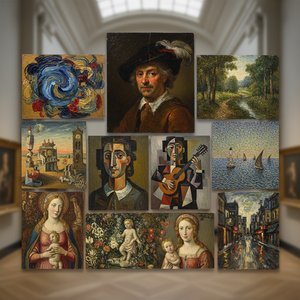
10 legendárních olejů na plátně, které změnily umění | OriginalUniqueArt.cz
Objevte 10 legendárních olejů na plátně od Van Gogha, Moneta a dalších mistrů! Ponořte se do příběhů ikonických děl impresionismu a moderního umění. Reprodukce obrazů pro váš interiér – OriginalUniqueArt.cz

Ferdinand Delacroix: Romanticism's Revolutionary Brush – A Study of Passion, Politics, and Painterly Innovation
Explore the revolutionary art of Eugène Delacroix, leader of French Romanticism. Discover his masterful use of color, political engagement, and lasting influence on modern painting. Learn about key works & history.