Náhled
 Sdílet
 Sdílet
 Podrobnosti o díle

 Stáhnout
 Podobné položky
 Rentgenové snímky
 Slideshow
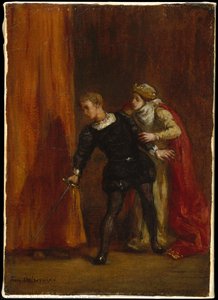
Macbeth Consulting the Witches

 Zobrazit více
Giclée / Umělecký tisk
Giclée nebo plátěný tisk muzeální kvality s rychlou výrobou a flexibilními možnostmi povrchové úpravy. ( Koupit ručně malovaný obraz Koupit obrázek)




P118B $10

P118H $10

P118W $10

P438Z $10

P508JH $12

P508YH $12

P805H $10

P805Z $10

P919BZ $10

P919G $10

P919XJ $10

P959ZH $10

P968JZ $12

W106C $8

W218G $10

W218JH $8

W218Y $10

W307PJ $10

W316G $10

W316PJ $8

W316Y $10

W398PJ $8

W4111J $10

W500HY $15

W500JH $15

W692G $12

W849H $8

W940BG $15

W953PJ $8




Vyberte si z našich přednastavených velikostí, které odpovídají původním proporcím díla.

Můžete zadat vlastní rozměry tak, aby výtvor odpovídal konkrétnímu rámu nebo prostoru. Pokud zvolená velikost nebude odpovídat poměru stran původního obrazu, dílo buď ořížeme, nebo obraz rozšíříme pomocí zrcadlového efektu či jednobarevného okraje. Před zahájením výroby vám bude zaslán digitální náhled k schválení.
Mějte prosím na paměti, že náhled na obrazovce neodráží skutečné oříznutí nebo rozšíření. Pouze digitální náhled přesně zobrazí finální kompozici.
Ačkoliv jsou k dispozici i vlastní rozměry, pro zachování původních proporcí doporučujeme vybrat si rozměr z předdefinovaného seznamu.
Celosvětové doručení () do 2 týdnů namísto standardních 4/5 týdnů. (3 září)

Zdarma celosvětová expresní doprava

Vysoce kvalitní lněné plátno

Kompletní přepravní pojištění

Záruka vrácení celního poplatku

Záruka přesného barevného shodu

60denní lhůta pro vrácení zboží (pouze při vadách výroby)

100% garance vrácení peněz

Sleva při hromadné objednávce
 Skleněná varianta je dostupná pouze u rozměrů menších než 110 cm

Macbeth Consulting the Witches
Giclée / Umělecký tisk
Rozměry reprodukce
-


Celková cena za výběr
$ 80
Macbeth Consulting the Witches: A Dramatic Encounter in Romantic Color
Delacroix’s “Macbeth Consulting the Witches” isn't merely a depiction of Shakespeare’s iconic scene; it’s an embodiment of Romantic fervor, meticulously crafted to capture the chilling psychological drama at its core. Painted in 1845, this lithograph reproduction offers a glimpse into a pivotal moment from Macbeth—the chilling deliberation of Macbeth as he seeks counsel from three enigmatic witches—and exemplifies Delacroix's signature style and masterful execution.Composition and Dramatic Lighting
The artwork’s visual impact begins with its dynamic arrangement. Diagonal lines dominate the canvas, guiding the viewer’s gaze from the lower right corner – where the swirling smoke of the cauldron pulsates with unsettling luminescence – upwards towards Macbeth himself. This deliberate compositional choice amplifies the tension inherent in the scene, mirroring the protagonist's internal turmoil as he wrestles with ambition and prophecy. Stark lighting plays a crucial role; it isolates Macbeth’s face, highlighting his furrowed brow and conveying a palpable sense of apprehension. Simultaneously, the cauldron emits an eerie glow, casting shadows over the witches and contributing to the pervasive atmosphere of dread. Perspective is subtly flattened, reinforcing the theatrical quality of the image and prioritizing emotional resonance over precise realism.Technique: Lithography – Capturing Texture and Emotion
Delacroix’s choice of lithography—a printing process utilizing stone or metal plates—was instrumental in achieving this expressive effect. Unlike oil paints which strive for smooth surfaces, lithography excels at reproducing intricate textures and capturing subtle tonal variations. The artist skillfully employed hatching and cross-hatching to delineate Macbeth's form and the surrounding landscape, creating a palpable sense of roughness and decay that speaks to the corrupting influence of ambition. These textural marks aren’t merely decorative; they serve as conduits for conveying emotion—the apprehension, fear, and uncertainty experienced by Macbeth during this fateful consultation. The lithographic process ensured that the reproduction retains the artist's original intention: to convey not just what was seen but how it *felt*.Symbolism – Witchcraft, Prophecy, and Moral Decay
Beyond its visual artistry, “Macbeth Consulting the Witches” is laden with symbolic significance. The cauldron itself represents witchcraft and divination—forces beyond human comprehension that manipulate fate. The three witches embody chaos and darkness, representing Macbeth’s descent into moral corruption as he abandons ethical considerations in pursuit of power. Their cryptic pronouncements foreshadow Macbeth's impending doom, highlighting the play’s central theme of ambition unchecked by conscience. Delacroix’s masterful portrayal captures this psychological complexity, inviting viewers to contemplate the consequences of succumbing to temptation and disregarding divine law.Romantic Spirit – Emotion and Dramatic Narrative
Ultimately, “Macbeth Consulting the Witches” embodies the spirit of Romanticism—a movement characterized by its fervent belief in emotion, imagination, and individualism. Delacroix’s unwavering commitment to dramatic narrative is evident throughout the composition, mirroring Shakespeare's exploration of human psychology and moral dilemmas. The artwork transcends mere representation; it aspires to evoke a visceral response from the audience, transporting them into the unsettling realm of Macbeth’s tormented mind. This lithograph reproduction allows collectors and interior designers alike to experience the enduring power of Delacroix’s vision—a testament to his ability to transform literary drama into unforgettable visual art.Biografie umělce
A Revolutionary Brush: The Life and Legacy of Eugène Delacroix
Ferdinand Victor Eugène Delacroix, born in Charenton-Saint-Maurice near Paris in 1798, was more than just a painter; he was the embodiment of Romanticism’s fervent spirit. Emerging as a leading figure in French art during a period of societal upheaval and shifting aesthetic ideals, Delacroix rejected the rigid formalism of Neoclassicism, instead embracing drama, emotion, and a vibrant palette that would forever alter the course of painting. His life, though marked by personal tragedy, became inextricably linked with his artistic vision—a quest to capture the sublime, explore exotic realms, and express the raw power of human experience.
Delacroix’s early years were shaped by a complex family history and a somewhat fragile health. Orphaned at sixteen, he found guidance in the influential figure of Charles-Maurice de Talleyrand-Périgord, who many believed to be his true father. This connection provided him with crucial patronage and access to the Parisian art world. He initially studied under Pierre-Narcisse Guérin, a respected academic painter, but it was the work of Théodore Géricault—particularly his monumental *The Raft of the Medusa*—that truly ignited Delacroix’s artistic passion. He even posed for Géricault, absorbing the elder artist's commitment to realism and emotional intensity.
From Historical Scenes to Exotic Visions
Delacroix burst onto the Salon scene in 1822 with *Dante and Virgil in Hell*, a work that immediately signaled his departure from established norms. Inspired by Dante Alighieri’s *Inferno*, the painting showcased a bold use of color, dynamic composition, and a palpable sense of psychological turmoil. This marked the beginning of a career dedicated to exploring themes of passion, conflict, and the human condition. While initially met with mixed reactions—some critics lauded his originality, others dismissed his work as chaotic and lacking in classical refinement—Delacroix persevered, developing a distinctive style characterized by loose brushwork, rich textures, and an emphasis on movement.
His fascination extended beyond historical and literary subjects. A pivotal journey to North Africa in 1832 profoundly impacted his artistic trajectory. Immersing himself in the vibrant culture of Morocco, Delacroix was captivated by the exotic landscapes, the nomadic lifestyle of the Arab tribes, and the intensity of their traditions. This experience infused his paintings with a newfound sense of color, light, and energy, as seen in works like *Arab Horses Fighting* and numerous studies of Algerian life. He wasn’t merely documenting these scenes; he was seeking to understand the underlying spirit of a culture vastly different from his own.
The Power of Color and Political Engagement
Delacroix's mastery of color is arguably his most enduring legacy. He drew inspiration from the Baroque exuberance of Rubens and the Venetian Renaissance masters, prioritizing chromatic intensity over precise draftsmanship. He understood that color could evoke emotion, create atmosphere, and convey meaning in ways that line alone could not. This innovative approach profoundly influenced subsequent generations of artists, paving the way for Impressionism and Post-Impressionism.
Beyond his aesthetic innovations, Delacroix was a politically engaged artist. His most iconic work, *Liberty Leading the People* (1830), is not simply a depiction of the July Revolution; it’s a powerful allegory for freedom and rebellion. The painting's dynamic composition, allegorical figures, and raw emotional power cemented its place in art history as a symbol of French national identity and revolutionary ideals. It wasn’t just about documenting an event; it was about capturing the spirit of a nation fighting for its liberty.
A Lasting Influence
Delacroix continued to paint prolifically throughout his life, exploring diverse themes ranging from Shakespearean tragedies to biblical narratives. He also made significant contributions as a lithographer, illustrating works by literary giants like William Scott and Johann Wolfgang von Goethe. His studio became a hub for artistic exchange, attracting aspiring painters who were drawn to his unconventional approach.
By the time of his death in 1863, Delacroix had firmly established himself as one of France’s greatest artists. His influence extended far beyond the Romantic movement, shaping the development of modern painting and inspiring countless artists with his bold use of color, dynamic compositions, and unwavering commitment to emotional expression. He remains a pivotal figure in art history—a testament to the power of individual vision and the enduring allure of the sublime.

Eugène Delacroix
1798 - 1863 , Francie
Rychlé fakta
- Artistic Movement Or Style: Romantismus
- Artists Or Movements Influenced By This Artist:
- Impresionismus
- Postimpresionismus
- Artists Who Influenced This Artist:
- Rubens
- Benátští mistři
- Date Of Birth: 26. dubna 1798
- Date Of Death: 13. srpna 1863
- Full Name: Ferdinand Victor Eugène Delacroix
- Nationality: Francouzská
- Notable Artworks (List Of Titles):
- Svoboda vede lid
- Sardanapalova smrt
- Place Of Birth (City And Country): Chantonnay, Francie
Související články

Dante Gabriel Rossetti: Top 25 děl a umělecké ikony pro váš domov | OriginalUniqueArt.cz
Prozkoumejte 25 ikonických děl Dante Gabriela Rossettiho – symbolismus, viktoriánský romantismus a krásné ženy v obrazech. Reprodukce obrazů nejvyšší kvality pro váš interiér na OriginalUniqueArt.cz. Objevte celou kolekci online!
Romantic Realism's Finest: 10 Masterpieces for Your Home | OriginalUniqueArt
Explore 10 defining masterpieces of Romantic Realism! Discover Courbet, Millet & Daumier's powerful paintings—capturing emotion and social realities. Find museum-quality reproductions for your home at OriginalUniqueArt.com.
Louvre: Top 25 uměleckých děl | Reprodukce obrazů a inspirace pro interiér
Prozkoumejte 25 nejvýznamnějších uměleckých děl Louvre v Paříži! Obdivujte Monu Lisu, Michelangelova Davida a další klasiky renesance, impresionismu a baroka. Najděte inspiraci pro váš interiér a luxusní reprodukce obrazů na OriginalUniqueArt.com.

Romantická krajina v malbě: 10 mistrovských děl, které definovaly umělecký proud | OriginalUniqueArt
Prozkoumejte 10 ikonických děl romantické krajinářské malby! Objevte příběhy Caspara Davida Friedricha, Turnera a dalších mistrů. Reprodukce obrazů nejvyšší kvality pro váš interiér na OriginalUniqueArt.com.
Romantismus v umění: Top 10 děl, která definovala éru | OriginalUniqueArt.cz
Prozkoumejte 10 ikonických děl romantismu od Delacroixe, Goya a Friedricha. Objevte příběhy umělců, techniky a emoce v obrazech, které definovaly éru. Reprodukce obrazů nejvyšší kvality na OriginalUniqueArt.cz – inspirace pro váš interiér!