Zobrazit v interiéru
 Odeslat
 Sdílet
 Podrobnosti
 Průvodce

 Stáhnout obrázek
 Podobné kousky
 Rentgenové snímky
 Slideshow
 Statistiky
Luiz-Auguste Schwiter
 Olej na plátně
- Obrazová tvorba na stěnu
- Romanticism
 1826
1826- – 19. století
 218.0 x 144.0 cm
 Národní galerie
 Přečíst si více
Ručně malovaná olejová reprodukce
Ručně malované olejné plátno v libovolném rozměru i s rámem, vyrobené našimi umělci na zakázku. ( Přepnout na tiskové verze Přepnout na digitální verzi obrazu)




P118B Kč10

P118H Kč10

P118W Kč10

P438Z Kč10

P508JH Kč12

P508YH Kč12

P805H Kč10

P805Z Kč10

P919BZ Kč10

P919G Kč10

P919XJ Kč10

P959ZH Kč10

P968JZ Kč12

W106C Kč8

W218G Kč10

W218JH Kč8

W218Y Kč10

W307PJ Kč10

W316G Kč10

W316PJ Kč8

W316Y Kč10

W398PJ Kč8

W4111J Kč10

W500HY Kč15

W500JH Kč15

W692G Kč12

W849H Kč8

W940BG Kč15

W953PJ Kč8




Vyberte si z našich přednastavených velikostí, které odpovídají původním proporcím díla.

Zadejte šířku a výšku, které potřebujete pro váš rám nebo stěnu. Protože se jedná o ruční malbu, při výběru jiného formátu může umělec kolem obrazu domalovat o něco více, nebo jej mírně oříznout — rozhodnete si vy. Před zahájením malby vám zašleme digitální náhled ke schválení. Obraz zobrazený na této stránce neodpovídá skutečnému výsledku — pouze digitální náhled jej zobrazuje.
Po přijetí objednávky vám tým OriginalUniqueArt.com zašle e-mail s pokyny a poskytne náhledovou verzi.
Celosvětová doprava () za 3–4 týdny namísto standardních 5 týdnů. (25 říjen). Bez kompromisů v kvalitě.

Zdarma celosvětová expresní doprava

Vysoce kvalitní lněné plátno

Úplné pojištění přepravy

Záruka vrácení celního poplatku

Záruka věrného barevného shodu

100dení lhůta pro vrácení zboží (pouze při vadách výroby)

100% garance vrácení peněz

Sleva při více objednávkách
 Skleněná varianta je dostupná pouze u rozměrů menších než 110 cm

Luiz-Auguste Schwiter
Technika provedení
Velikost reprodukce
-


Celková cena
Kč 6415
A Soul Captured in Light: The Essence of Louis-Auguste Schwiter
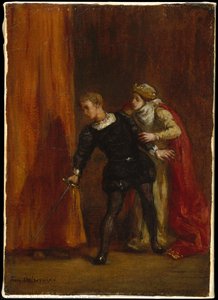
In the annals of Romanticism, few portraits capture the delicate intersection of human character and natural grandeur as poignantly as Eugène Delacroix’s Portrait of Louis-Auguste Schwiter. Painted between 1826 and 1827, this oil on canvas is far more than a mere formal likeness; it is an intimate window into a profound friendship. The subject, Louis-August of Schwiter, the son of Delacroix’s close confidant, is presented not with the stiff, frozen posture typical of earlier academic portraiture, but with a contemplative vitality. As he gazes into the distance, the viewer is invited to share in his quiet introspection, feeling the weight of a thoughtful gentleman lost in thought amidst the vastness of the world.
Delacroix’s revolutionary approach is on full display here, as he masterfully blends the boundaries between portraiture and landscape. Rather than isolating the subject against a sterile, dark background, the artist places Schwiter within an immersive environment where light and color dance in harmony. The use of vibrant hues—particularly the deep blues and lush greens that define the backdrop—serves to heighten the emotional resonance of the piece. This technique suggests a spiritual connection between the man and the natural world, a hallmark of the Romantic movement that seeks to find the sublime within the earthly realm.
Technique and the Romantic Spirit
The technical execution of this masterpiece reflects Delacroix’s departure from the rigid formalism of Neoclassicism. Through the use of loose, expressive brushstrokes, the artist imbues the canvas with a sense of movement and life. This dynamism is not merely decorative; it is essential to conveying the inner character of Schwiter. The texture of the paint and the interplay of light across the subject's formal attire create a tactile experience that draws the eye, making the portrait feel as though it is breathing alongside its subject.
For the discerning collector or interior designer, this work offers an unparalleled opportunity to introduce a sense of historical depth and emotional complexity into a space. The painting’s ability to evoke both the grandeur of nature and the intimacy of human connection makes it a versatile centerpiece for any sophisticated collection. Whether viewed as a precursor to Delacroix's more monumental historical canvases or as a standalone study in color and emotion, Louis-Auguste Schwiter remains a testament to the enduring power of the Romantic vision—a piece that continues to inspire awe through its profound ability to capture the very spirit of its subject.
Otázky a odpovědi
Jaké umístění se hodí k formátu díla „Luiz-Auguste Schwiter“ od Eugène Delacroix?
Dílo v Portrétní orientace formátu, reprodukce díla „Luiz-Auguste Schwiter“, se doporučuje do Obývací prostor.
Jakým způsobem se dílo „Luiz-Auguste Schwiter“ zapojuje do témat a stylu umělce Eugène Delacroix?
Dílo „Luiz-Auguste Schwiter“ sdílí s ostatními pracemi umělce Eugène Delacroix charakteristický styl Romanticism a opakující se témata: inspirace od rubena, benátský renesance styl, integrace krajiny, portrét přátelství, symbolismus julyho povstání, raný romantický experiment, dědictví delacroix.
Jak sytá je paleta díla "Luiz-Auguste Schwiter"?
Barvy díla „Luiz-Auguste Schwiter“ od Eugène Delacroix mají Ztlumené saturaci. Saturace určuje, jak jsou barvy živé nebo tlumené.
Biografie umělce
A Revolutionary Brush: The Life and Legacy of Eugène Delacroix
Ferdinand Victor Eugène Delacroix, born in Charenton-Saint-Maurice near Paris in 1798, was more than just a painter; he was the embodiment of Romanticism’s fervent spirit. Emerging as a leading figure in French art during a period of societal upheaval and shifting aesthetic ideals, Delacroix rejected the rigid formalism of Neoclassicism, instead embracing drama, emotion, and a vibrant palette that would forever alter the course of painting. His life, though marked by personal tragedy, became inextricably linked with his artistic vision—a quest to capture the sublime, explore exotic realms, and express the raw power of human experience.
Delacroix’s early years were shaped by a complex family history and a somewhat fragile health. Orphaned at sixteen, he found guidance in the influential figure of Charles-Maurice de Talleyrand-Périgord, who many believed to be his true father. This connection provided him with crucial patronage and access to the Parisian art world. He initially studied under Pierre-Narcisse Guérin, a respected academic painter, but it was the work of Théodore Géricault—particularly his monumental *The Raft of the Medusa*—that truly ignited Delacroix’s artistic passion. He even posed for Géricault, absorbing the elder artist's commitment to realism and emotional intensity.
From Historical Scenes to Exotic Visions
Delacroix burst onto the Salon scene in 1822 with *Dante and Virgil in Hell*, a work that immediately signaled his departure from established norms. Inspired by Dante Alighieri’s *Inferno*, the painting showcased a bold use of color, dynamic composition, and a palpable sense of psychological turmoil. This marked the beginning of a career dedicated to exploring themes of passion, conflict, and the human condition. While initially met with mixed reactions—some critics lauded his originality, others dismissed his work as chaotic and lacking in classical refinement—Delacroix persevered, developing a distinctive style characterized by loose brushwork, rich textures, and an emphasis on movement.
His fascination extended beyond historical and literary subjects. A pivotal journey to North Africa in 1832 profoundly impacted his artistic trajectory. Immersing himself in the vibrant culture of Morocco, Delacroix was captivated by the exotic landscapes, the nomadic lifestyle of the Arab tribes, and the intensity of their traditions. This experience infused his paintings with a newfound sense of color, light, and energy, as seen in works like *Arab Horses Fighting* and numerous studies of Algerian life. He wasn’t merely documenting these scenes; he was seeking to understand the underlying spirit of a culture vastly different from his own.
The Power of Color and Political Engagement
Delacroix's mastery of color is arguably his most enduring legacy. He drew inspiration from the Baroque exuberance of Rubens and the Venetian Renaissance masters, prioritizing chromatic intensity over precise draftsmanship. He understood that color could evoke emotion, create atmosphere, and convey meaning in ways that line alone could not. This innovative approach profoundly influenced subsequent generations of artists, paving the way for Impressionism and Post-Impressionism.
Beyond his aesthetic innovations, Delacroix was a politically engaged artist. His most iconic work, *Liberty Leading the People* (1830), is not simply a depiction of the July Revolution; it’s a powerful allegory for freedom and rebellion. The painting's dynamic composition, allegorical figures, and raw emotional power cemented its place in art history as a symbol of French national identity and revolutionary ideals. It wasn’t just about documenting an event; it was about capturing the spirit of a nation fighting for its liberty.
A Lasting Influence
Delacroix continued to paint prolifically throughout his life, exploring diverse themes ranging from Shakespearean tragedies to biblical narratives. He also made significant contributions as a lithographer, illustrating works by literary giants like William Scott and Johann Wolfgang von Goethe. His studio became a hub for artistic exchange, attracting aspiring painters who were drawn to his unconventional approach.
By the time of his death in 1863, Delacroix had firmly established himself as one of France’s greatest artists. His influence extended far beyond the Romantic movement, shaping the development of modern painting and inspiring countless artists with his bold use of color, dynamic compositions, and unwavering commitment to emotional expression. He remains a pivotal figure in art history—a testament to the power of individual vision and the enduring allure of the sublime.

Eugène Delacroix
1798 - 1863 , Francie
Rychlé informace
- Artistic Movement Or Style: Romantismus
- Artists Or Movements Influenced By This Artist:
- Impresionismus
- Postimpresionismus
- Artists Who Influenced This Artist:
- Rubens
- Benátští mistři
- Date Of Birth: 26. dubna 1798
- Date Of Death: 13. srpna 1863
- Full Name: Ferdinand Victor Eugène Delacroix
- Nationality: Francouzská
- Notable Artworks (List Of Titles):
- Svoboda vede lid
- Sardanapalova smrt
- Place Of Birth (City And Country): Chantonnay, Francie
Související články

Ferdinand Delacroix: Romanticism's Revolutionary Brush – A Study of Passion, Politics, and Painterly Innovation
Explore the revolutionary art of Eugène Delacroix, leader of French Romanticism. Discover his masterful use of color, political engagement, and lasting influence on modern painting. Learn about key works & history.
The Allure of Azure: Exploring the Symbolic & Aesthetic Depths of Blue in Art History
Explore the rich history of blue in art! Discover its symbolism, from ancient pigments to modern masterpieces by Kandinsky & Seurat. Uncover the psychological impact and cultural meanings behind this captivating hue.

Deset ikonických obrazů v odstínech šedé modré: Umění a inspirace pro váš domov
Objevte deset ikonických obrazů v odstínech šedé modré od Van Gogha, Moneta a dalších mistrů. Ponořte se do příběhů umění, technik a inspirace pro váš interiér. Reprodukce obrazů nejvyšší kvality na OriginalUniqueArt.com.

Serene Blue Backgrounds: Discover Soulful Art to Transform Your Space with Timeless Elegance
Transform your home with soulful blue art. From serene Monet impressions to modern textured sculptures, discover curated masterpieces designed to inspire calm. Explore expert art consultations and bespoke hand-painted reproductions to create your personal sanctuary.
Pierre-Auguste Renoir: Top 25 děl impresionismu pro váš domov | OriginalUniqueArt.cz
Objevte top 25 děl Pierre-Auguste Renoira – impresionistické ikony plné světla a radosti. Prozkoumejte příběhy slavných obrazů, techniky malby a inspirujte se pro váš domov s OriginalUniqueArt.cz! Reprodukce obrazů nejvyšší kvality.