Symbolism · 1901
Spring (Ferdinand Hodler, 1901)
Ferdinand Hodler (1853–1918) vytvořil dílo Spring. Pochází z roku 1901. Patří k hnutí Symbolism. Je vyrobeno z Oil On Canvas. Rozměry jsou 102 × 129 cm.
- 1901
- Oil On Canvas
- 102 × 129 cm

 Náhled v interiéru

 Ručně malovaná olejná reprodukce
 Sdílet
 Sdílet
 Informační list


 Stáhnout
 Podobné položky
 Rentgenové snímky
 Slideshow
 Otázky a odpovědi

 Statistiky
Spring v kostce
- Název díla
- Spring
- Autor
- Ferdinand Hodler (1853–1918)
- Rok narození umělce
- Bern, Švýcarsko
- Datum vytvoření
- 1901
- Technika
- Oil On Canvas
- Rozměry
- 102 × 129 cm
- Pohyb
- Symbolism
- Období
- 19th Century
- Motiv
- nude figures, flower field, nature scene, symbolism, romanticism, outdoor setting
Co przedstawuje dílo Spring?
A Vision of Ephemeral Beauty: Exploring Ferdinand Hodler's "Spring"
To gaze upon Ferdinand Hodler’s Spring is to step directly into a moment suspended between dreams and reality. This painting, executed in 1901, is not merely a depiction of nature reviving; it is an eloquent meditation on cyclical life, renewal, and the delicate interplay between humanity and the burgeoning world. The scene unfolds in a sun-drenched field, carpeted with vibrant yellow blossoms that seem to hum with captured sunlight. At its heart are two figures—one seated in quiet contemplation upon the earth, the other standing watchfulness behind them. Their near-nudity strips away artifice, presenting the human form in a state of elemental grace, making the viewer feel an immediate, intimate connection to their vulnerability and repose.
Symbolism and the Cycle of Life
Hodler, deeply influenced by Symbolist currents, imbued his work with profound meaning. The very title, Spring, speaks volumes about rebirth. In art history, spring is rarely just a season; it represents potentiality, the overcoming of winter’s dormancy, and the promise of life renewed. The flowers are not simply decorative accents; they are emblems of fleeting joy and natural abundance. Furthermore, the pairing of the two figures suggests themes of companionship, transition, or perhaps even the soul's journey through time. Hodler often explored mortality in his work, making this depiction of vibrant, almost breathless vitality feel both utterly alive and profoundly transient—a beautiful reminder that all perfect moments must eventually yield to change.
Technique and Luminous Atmosphere
The technical mastery evident in this piece is breathtaking. While the subject matter feels spontaneous and pastoral, the execution speaks to a highly controlled hand. Hodler utilized color with an almost luminous quality; the yellows of the flowers pop against the deeper tones of the earth and the expansive sky, creating a palpable sense of depth. The handling of light seems integral to the composition itself, suggesting that the illumination is not just from the sun, but perhaps from the very spirit of renewal captured on canvas. For those considering a reproduction, one must appreciate how this technique translates—the goal being to capture that ethereal glow and the soft blending of tones that give the scene its dreamlike quality.
An Emotional Resonance for Modern Spaces
For the collector or designer seeking an anchor piece imbued with narrative depth, Spring offers unparalleled emotional resonance. It possesses a serene power—a quiet majesty that can transform any room from mundane to muse-filled. It speaks to the human desire for beauty, connection, and the enduring promise of hope after hardship. Imagine this painting gracing a gallery wall or serving as the focal point in a sunlit drawing-room; it invites pause, contemplation, and a deep breath. It is an artwork that does not shout its message but whispers it gently across centuries, inviting the viewer to reconnect with nature's most enduring magic.
Vysokorozlišené fotografie díla Spring

Ferdinand Hodler, Spring (1901). Veřejná doména
Odpovědi na otázky k dílu Spring
V jakém roce vzniklo dílo „Spring“ od Ferdinand Hodler?
Vznik díla „Spring“ od Ferdinand Hodler se datuje do roku 1901.
Jakou technikou je vytvořeno dílo "Spring"?
„Spring“ je dílo vytvořené v technice Oil On Canvas.
Jaké jsou rozměry originálu „Spring“?
Původní rozměry díla "Spring" jsou 102 x 129 cm. Původní rozměry slouží jako užitečný vodítko při výběru velikosti reprodukce.
Jaká témata se objevují v díle „Spring“ od Ferdinand Hodler?
Témata obsažená v díle „Spring“ od Ferdinand Hodler zahrnují nude figures, flower field, nature scene, symbolism, romanticism, outdoor setting. Tato témata společně shrnují obsah celého uměleckého díla.
Je dílo „Spring“ volné z autorských práv?
Dílo „Spring“ od Ferdinand Hodler spadá do v rámci volného užití – autorská práva vypršela. Tento stav určuje pravidla pro reprodukci obrazu tohoto díla.
Kdo vytvořil "Spring"?
Dílo "Spring" se připisuje autorovi Ferdinand Hodler.
K kterému uměleckému směru patří „Spring“ od Ferdinand Hodler?
Dílo „Spring“ od Ferdinand Hodler patří k období směru Symbolism, který dílu dodává jeho stylistický kontext.
Do které období tvorby Ferdinand Hodler patří dílo „Spring“?
V rámci kariéry umělce Ferdinand Hodler spadá dílo „Spring“ do období Symbolist period. Tato fáze umožňuje jeho srovnání s dalšími díly tohoto umělce.
Kolik let bylo Ferdinand Hodler, když vzniklo dílo „Spring“?
Ferdinand Hodler bylo 48 let, když v roce 1901 vytvořilo dílo „Spring“. Věk je vypočítán z roku narození umělce, 1853.
O umělci, Ferdinand Hodler
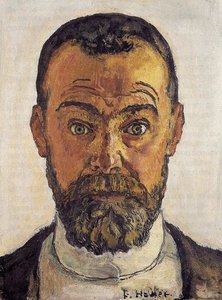
1853–1918, Švýcarsko
Ferdinand Hodler
Architektura smrtelnosti Narodil se v Bernu ve Švýcarsku v roce 1853, jehož raná léta byla definována tichým, vytrvalým žalem. Ještě než dosáhl dospělosti, tuberkulóza, která si vzala jeho otce a dva mladší bratry, zanechala v jeho domácnosti prázdnotu. Tento první střet se ztrátou se stal v jeho díle opakujícím se motivem, stínem, který ho provázel od skromných počátků učňovství až po vrcholy jeho profesionální kariéry. Svůj výcvik začal jako dekorativní malíř, pomáhal nevlastnímu otci při práci s komerčními nápisy, což byla praktická výchova, která v něm zrodila precizní ovládání linie a formy.
O umělci Ferdinand Hodler Významná díla umělce Ferdinand Hodler
Také od autora Ferdinand Hodler
 Eiger, Monch and Jungfrau in Moonlight1908
 Woman in Ecstasy1911
 Sunset on Lake Geneva1915
 Study of two figures1897

Eseje k tématu Spring
 The Language of Mortality: Decoding the Symbols of Life and Decay in Classical ArtDecode the profound symbolism of mortality in Baroque Vanitas art through expert analysis. Explore the secrets of classical masterpieces no…
 Luminous Renewal: How Impressionist Masters Captured the Fleeting Light of SpringExplore how Impressionist masters captured spring's fleeting light through expert analysis. Discover the beauty of seasonal renewal now.
 Mastering Parallelism: The 25 Most Iconic Artworks by Ferdinand HodlerImmerse yourself in the rhythmic beauty of Ferdinand Hodler. Explore 25 iconic masterpieces of Swiss Symbolism and Parallelism. From soulfu…