Symbolism · 1910
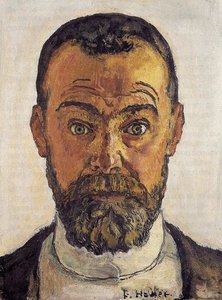
Lumberjack, study (Ferdinand Hodler, 1910)
Ferdinand Hodler (1853–1918) vytvořil dílo Lumberjack, study. Pochází z roku 1910. Patří k hnutí Symbolism. Je vyrobeno z Acrylic On Canvas. Nachází se v Národní galerie Bosny a Hercegoviny v Sarajevo, Bosna a Hercegovina. Rozměry jsou 43 × 44 cm.
- 1910
- Acrylic On Canvas
- 43 × 44 cm
- Národní galerie Bosny a Hercegoviny, Sarajevo

 Náhled v interiéru

 Ručně malovaná olejná reprodukce
 Sdílet
 Sdílet
 Informační list pro studenty


 Stáhnout
 Podobné položky
 Rentgenové snímky
 Slideshow
 Otázky a odpovědi

 Statistiky
Lumberjack, study v kostce
- Název díla
- Lumberjack, study
- Autor
- Ferdinand Hodler (1853–1918)
- Rok narození umělce
- Bern, Švýcarsko
- Datum vytvoření
- 1910
- Technika
- Acrylic On Canvas
- Rozměry
- 43 × 44 cm
- Kde jej vidět
- Národní galerie Bosny a Hercegoviny, Sarajevo, Bosna a Hercegovina
- Pohyb
- Symbolism
- Období
- 19th Century
- Motiv
- lumberjack figure, axe and wood theme, symbolic drawing”,, swiss artist style”,, vintage illustration”, “black & white art”
Co przedstawuje dílo Lumberjack, study?
The Raw Essence of Labor: Ferdinand Hodler’s “Lumberjack, Study”
Ferdinand Hodler's "Lumberjack, Study," painted in 1910, isn’t merely a depiction of a man wielding an axe; it’s a profound meditation on the human condition, rendered with the characteristic Symbolist precision that defined the artist’s career. Born in Bern, Switzerland, Hodler’s life was deeply intertwined with themes of loss and mortality – experiences he channeled into his art through a lens of quiet observation and evocative symbolism. This particular work, executed during a period of intense artistic experimentation for Hodler, captures a moment of potent physicality alongside an underlying sense of melancholy, inviting the viewer to contemplate the dignity and inherent struggle within everyday labor.
- Subject Matter: The central figure is a powerfully built lumberjack, poised in the act of swinging his axe. The focus isn’t on heroic action, but rather on the concentrated effort and raw physicality of the task at hand.
- Style & Technique: Hodler employs a distinctive “parallelism” technique – a simultaneous depiction of multiple viewpoints within a single composition. Here, we see the lumberjack from several angles simultaneously, creating a sense of dynamism and capturing the essence of his movement. The brushstrokes are loose and expressive, contributing to the work’s immediate impact.
A Window into Symbolist Thought
Hodler was a key figure in the Swiss Symbolist movement, an artistic current that sought to express inner emotions and ideas rather than simply representing external reality. Symbolism rejected academic realism, favoring suggestive imagery and evocative color palettes. In “Lumberjack, Study,” this is evident in the muted tones of the landscape – a hazy sky and indistinct trees – which serve not as literal representations but as symbolic anchors for the figure’s emotional state. The darkness surrounding the lumberjack hints at the hardships and uncertainties of his life, while the upward swing of the axe can be interpreted as an aspiration towards something beyond the immediate toil.
The choice of a lumberjack as subject is itself significant. It represents a connection to the land, to physical labor, and to a fundamental human need for survival – themes that resonated deeply with Symbolist artists grappling with questions of identity and purpose in a rapidly changing world.Historical Context & The Bernese Landscape
Bern, Hodler’s birthplace, provided a constant source of inspiration. The rolling hills and forests surrounding the city were frequently depicted in his work, imbued with a sense of timelessness and spiritual resonance. “Lumberjack, Study” reflects this connection to the landscape, grounding the figure within a recognizable yet subtly idealized Bernese setting. The painting was created during a period of significant social change in Switzerland – the rise of industrialization and urbanization were challenging traditional ways of life. Hodler’s work can be seen as both a reflection of these changes and a nostalgic yearning for simpler times.
Emotional Resonance & A Legacy of Quiet Intensity
Despite its seemingly straightforward subject matter, “Lumberjack, Study” possesses a remarkable emotional depth. The lumberjack's face is largely obscured, inviting the viewer to project their own feelings and interpretations onto the figure. There’s a palpable sense of solitude and resilience in his posture – a quiet dignity born from hard work and perhaps, a touch of melancholy. Hodler masterfully captures this complex interplay of strength and vulnerability, creating an image that continues to resonate with viewers today. Reproductions of this powerful study offer a glimpse into the soul of a remarkable artist and a poignant reflection on the human experience.
Ve kterém muzeu se nachází Lumberjack, study?
Národní galerie Bosny a Hercegoviny
Sarajevo, Bosna a Hercegovina
Svatovyně odolnosti: Duše Sarajeva V tlukoucím srdci Sarajeva, města, které přečalo ty nejhlubší bouře dv twentiethého století, stojí Národní galerie Bosny a Hercegoviny jako zářivé svědectví o neochvějné síle lidské tvůrčí činnosti. Překročit její dveře znamená vstoupit do prostoru, kde se jizvy historie setkávají s triumfem uměleckého ducha a nabízejí hluboký dialog mezi turbulentní minulostí a ambiciózní budoucností. Galerie slouží jako útočiště, v němž je kolektivní paměť národa uchována v jemných tazích štětcem i v těžké textuře kamene.


Vysokorozlišené fotografie díla Lumberjack, study

Ferdinand Hodler, Lumberjack, study (1910), Národní galerie Bosny a Hercegoviny. Veřejná doména
Odpovědi na otázky k dílu Lumberjack, study
Kde je dnes možné vidět dílo „Lumberjack, study“ od Ferdinand Hodler?
Dílo „Lumberjack, study“ od Ferdinand Hodler je vystaveno v instituci Národní galerie Bosny a Hercegoviny, Sarajevo, Bosna a Hercegovina. Uvedené muzeum se vztahuje k originálu, nikoliv k reprodukcím.
V jakém roce vzniklo dílo "Lumberjack, study"?
Dílo „Lumberjack, study“ od Ferdinand Hodler vzniklo v roce 1910.
Jakou technikou je vytvořeno dílo "Lumberjack, study"?
Ferdinand Hodler pro dílo „Lumberjack, study“ použil/a techniku Acrylic On Canvas. Tato technika definuje materiální podstatu originálního díla.
Jaké jsou rozměry originálu „Lumberjack, study“?
Zaznamenané rozměry díla „Lumberjack, study“ od Ferdinand Hodler jsou 43 x 44 cm. Reprodukce lze objednat v jiných velikostech při zachování stejných proporcí.
Co zachycuje dílo „Lumberjack, study“ od Ferdinand Hodler?
„Lumberjack, study“ od Ferdinand Hodler zobrazuje: lumberjack figure, axe and wood theme, symbolic drawing”,, swiss artist style”,, vintage illustration”, “black & white art”, “hodler’s study”.
Lze obraz díla „Lumberjack, study“ od Ferdinand Hodler volně reprodukovat?
Co se týče autorských práv, dílo "Lumberjack, study" spadá do v rámci volného užití – autorská práva vypršela.
Kdo vytvořil "Lumberjack, study"?
Dílo "Lumberjack, study" se připisuje autorovi Ferdinand Hodler.
K kterému uměleckému směru patří „Lumberjack, study“ od Ferdinand Hodler?
„Lumberjack, study“ je dílo z období Symbolism. Tento směr představuje uměleckou tradici, jejíž je dílo součástí.
Do které éry tvorby Ferdinand Hodler spadá dílo "Lumberjack, study"?
„Lumberjack, study“ představuje období Late Medieval umělce Ferdinand Hodler.
O umělci, Ferdinand Hodler
1853–1918, Švýcarsko
Ferdinand Hodler
Architektura smrtelnosti Narodil se v Bernu ve Švýcarsku v roce 1853, jehož raná léta byla definována tichým, vytrvalým žalem. Ještě než dosáhl dospělosti, tuberkulóza, která si vzala jeho otce a dva mladší bratry, zanechala v jeho domácnosti prázdnotu. Tento první střet se ztrátou se stal v jeho díle opakujícím se motivem, stínem, který ho provázel od skromných počátků učňovství až po vrcholy jeho profesionální kariéry. Svůj výcvik začal jako dekorativní malíř, pomáhal nevlastnímu otci při práci s komerčními nápisy, což byla praktická výchova, která v něm zrodila precizní ovládání linie a formy.
O umělci Ferdinand Hodler Významná díla umělce Ferdinand Hodler
Také od autora Ferdinand Hodler
 Eiger, Monch and Jungfrau in Moonlight1908
 Woman in Ecstasy1911
 Sunset on Lake Geneva1915
 Study of two figures1897

Eseje k tématu Lumberjack, study
 Exploring Emotional Depth in Art: A Cross-Historical Analysis of Affective RepresentationExplore the rich history of emotional representation in art! This analysis delves into affect theory, Romanticism, Goya's masterpieces & co…
 Mastering Parallelism: The Top 25 Essential Artworks by Ferdinand HodlerExplore 25 iconic Ferdinand Hodler masterpieces and his unique Parallelism style. Discover the full collection on OriginalUniqueArt.com.
 The Subjective Lens: Examining Emotional Depth in Expressionist ArtExplore the profound emotional depth of Expressionist masters like Munch and Schiele. Discover the power of subjective art today.