Symbolism
Day (Truth) (Ferdinand Hodler)
Ferdinand Hodler (1853–1918) vytvořil dílo Day (Truth). Patří k hnutí Symbolism. Je vyrobeno z Oil On Canvas. Nachází se v Art Institute of Chicago v Chicago, Spojené státy americké.
- Oil On Canvas
- Art Institute of Chicago

 Náhled v interiéru

 Ručně malovaná olejná reprodukce
 Sdílet
 Sdílet
 Informační list


 Stáhnout
 Podobné položky
 Rentgenové snímky
 Slideshow
 Otázky a odpovědi

 Statistiky
Day (Truth) v kostce
- Název díla
- Day (Truth)
- Autor
- Ferdinand Hodler (1853–1918)
- Rok narození umělce
- Bern, Švýcarsko
- Technika
- Oil On Canvas
- Kde jej vidět
- Art Institute of Chicago, Chicago, Spojené státy americké
- Pohyb
- Symbolism
- Období
- 19th Century
- Motiv
- man, nude figure, rock, landscape, sky, brown
Co przedstawuje dílo Day (Truth)?
Identification of the Artwork and Artist
The canvas known as Day (Truth) emerges from the hand of Ferdinand Hodler, a significant figure in the evolution of Swiss art. Created about 1906, this work captures a moment of profound stillness. It exists at the intersection of Symbolism and Landscape Painting, reflecting the shifting tides of 19th-century artistic thought. The piece carries the weight of a specific era, where the boundaries between the physical world and the spiritual realm begin to blur.
Ferdinand Hodler brings a unique vision to this composition, moving away from the strictures of realism to explore deeper rhythms of existence. In Day (Truth), the artist seeks to translate the essence of a single moment into a visual language of form and light. The work belongs to a period where the landscape becomes a vessel for existential reflection, a place where the human presence and the natural environment are inextricably linked through a shared, rhythmic geometry.
Composition and Visual Elements
The canvas unfolds with a monumental presence, capturing a moment where the first light of dawn breathes life into the very concept of unity. A serene arrangement of figures mirrors the unfolding morning, creating a rhythmic, visual heartbeat that pulses through the scene. These figures, depicted in states of nakedness, move through the landscape in a way that suggests the unfolding stages of daybreak. Their postures, much like blossoming petals, seem to respond to the increasing brightness of the sky, weaving human form into the very rhythm of the natural world.
Symmetry governs the space, establishing a sense of cosmic harmony that feels both tranquil and profoundly powerful. This structural order is defined by rhythmic symmetry and deep, espresso-toned shadows that anchor the composition. The eye is guided by the horizon line and the movement of the clouds, leading toward a central focus that symbolizes a spiritual awakening. Through this deliberate arrangement, the painting transcends a simple landscape, becoming a meditation on existence itself, where the physical and the spiritual are bound together by a shared, geometric grace.
Technical Details and Medium
The medium of oil on canvas breathes life into this composition, allowing for a layering of thin washes that build an atmospheric effect. These layers create a soft, diffused light that wraps around the figure, casting a gentle glow that avoids harsh shadows. The texture of the work reveals a subtle interplay between the smooth, ethereal quality of the sky and the palpable roughness of the rocky base. Every brushstroke contributes to a sense of weight and permanence, grounding the spiritual essence of the scene in physical substance.
This work functions as a masterclass in Symbolism, where the artist employs his signature theory of parallelism to structure the visual experience. Rhythmic patterns emerge through the arrangement of forms, mirroring the natural order of the cosmos. The composition moves with a rhythmic, visual heartbeat, capturing the ephemeral beauty of daybreak and transforming it into a structured, eternal presence. Through this deliberate application of geometry and repetition, the painting transcends mere representation to touch upon the profound rhythms of existence.
Ve kterém muzeu se nachází Day (Truth)?
Art Institute of Chicago
Chicago, Spojené státy americké
Přehled: Art Institute of Chicago Art Institute of Chicago je soukromé neziskové umělecké muzeum sídlící v Chicagu v americkém státě Illinois. Od svého založení v roce 1879 se tato instituce vyvinula v klíčové kulturní centrum v srdci Grant Park. Současná rozloha muzea se blíží jedné milionu čtverečních stop a zahrnuje rozmanitá prostory, v nichž je uchovávána obrovská sbírka lidské tvůrčí exprese.


Vysokorozlišené fotografie díla Day (Truth)

Ferdinand Hodler, Day (Truth), Art Institute of Chicago. Veřejná doména
Odpovědi na otázky k dílu Day (Truth)
Kde je dnes možné vidět dílo „Day (Truth)“ od Ferdinand Hodler?
Dílo „Day (Truth)“ od Ferdinand Hodler je vystaveno v instituci Art Institute of Chicago, Chicago, Spojené státy americké. Uvedené muzeum se vztahuje k originálu, nikoliv k reprodukcím.
Jakou techniku bylo použito pro dílo „Day (Truth)“ od Ferdinand Hodler?
Technikou díla „Day (Truth)“ od Ferdinand Hodler je Oil On Canvas. Reprodukce mají za cíl věrně zachytit vzhled této techniky.
Co zachycuje dílo "Day (Truth)"?
Témata obsažená v díle „Day (Truth)“ od Ferdinand Hodler zahrnují man, nude figure, rock, landscape, sky, brown, tan. Tato témata společně shrnují obsah celého uměleckého díla.
Lze obraz díla „Day (Truth)“ od Ferdinand Hodler volně reprodukovat?
Stav autorských práv pro dílo „Day (Truth)“ od Ferdinand Hodler: toto dílo spadá do v rámci volného užití – autorská práva vypršela. To určuje, zda lze volně vytvářet reprodukce tohoto obrazu.
K kterému umělci je dílo "Day (Truth)" připisováno?
Dílo "Day (Truth)" vytvořil/a Ferdinand Hodler. Informace na této stránce popisují originální dílo umělce Ferdinand Hodler.
K kterému uměleckému směru patří „Day (Truth)“ od Ferdinand Hodler?
Umělecký směr, ke kterému patří dílo „Day (Truth)“ od Ferdinand Hodler, je Symbolism. Tato klasifikace toto dílo umísťuje mezi související umělce a další umělecká díla.
Do jaké fáze tvůrčího rozvoje Ferdinand Hodler patří dílo „Day (Truth)“?
„Day (Truth)“ představuje období Mature Period umělce Ferdinand Hodler.
Jak lze vysvětlit situaci s autorskými právy u díla „Day (Truth)“ od Ferdinand Hodler?
Autorskoprávní status díla „Day (Truth)“ – v rámci volného užití – autorská práva vypršela – vyplývá ze smrti umělce v roce 1918.
Zůstalo dílo "Day (Truth)" ve své domovské zemi?
Ne – dílo se nachází v zahraničí. Dílo „Day (Truth)“ je uloženo v zemi Spojené státy americké, zatímco Ferdinand Hodler se narodil(a) v zemi Švýcarsko.
O umělci, Ferdinand Hodler
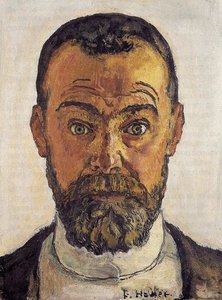
1853–1918, Švýcarsko
Ferdinand Hodler
Architektura smrtelnosti Narodil se v Bernu ve Švýcarsku v roce 1853, jehož raná léta byla definována tichým, vytrvalým žalem. Ještě než dosáhl dospělosti, tuberkulóza, která si vzala jeho otce a dva mladší bratry, zanechala v jeho domácnosti prázdnotu. Tento první střet se ztrátou se stal v jeho díle opakujícím se motivem, stínem, který ho provázel od skromných počátků učňovství až po vrcholy jeho profesionální kariéry. Svůj výcvik začal jako dekorativní malíř, pomáhal nevlastnímu otci při práci s komerčními nápisy, což byla praktická výchova, která v něm zrodila precizní ovládání linie a formy.
O umělci Ferdinand Hodler Významná díla umělce Ferdinand Hodler
Také od autora Ferdinand Hodler
 Eiger, Monch and Jungfrau in Moonlight1908
 Woman in Ecstasy1911
 Sunset on Lake Geneva1915
 Study of two figures1897
Eseje k tématu Day (Truth)
 19th century Swiss painters19th-century Swiss painters like Arnold Böcklin, Ferdinand Hodler, and Henry Fuseli defined an era. Find museum-quality reproductions on Or…
 Mastering Parallelism: The 25 Most Iconic Artworks by Ferdinand HodlerImmerse yourself in the rhythmic beauty of Ferdinand Hodler. Explore 25 iconic masterpieces of Swiss Symbolism and Parallelism. From soulfu…
 Swiss artworks of the 1910sSwiss art from the 1910s featuring masterpieces by Paul Klee, Ferdinand Hodler, and Félix Vallotton. View the full collection on OriginalUn…