

 Zobrazit v interiéru
 Odeslat
 Sdílet
 Podrobnosti
 Průvodce

 Stáhnout obrázek
 Podobné kousky
 Rentgenové snímky
 Slideshow
 Statistiky
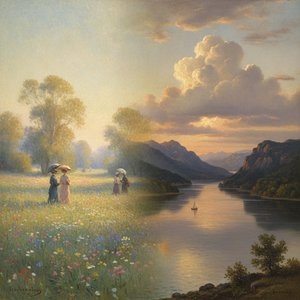
The Seine at Charenton


 Přečíst si více
Ručně malovaná olejová reprodukce
Ručně malované olejné plátno v libovolném rozměru i s rámem, vyrobené našimi umělci na zakázku. ( Přepnout na tiskové verze Přepnout na digitální verzi obrazu)




P118B Kč10

P118H Kč10

P118W Kč10

P438Z Kč10

P508JH Kč12

P508YH Kč12

P805H Kč10

P805Z Kč10

P919BZ Kč10

P919G Kč10

P919XJ Kč10

P959ZH Kč10

P968JZ Kč12

W106C Kč8

W218G Kč10

W218JH Kč8

W218Y Kč10

W307PJ Kč10

W316G Kč10

W316PJ Kč8

W316Y Kč10

W398PJ Kč8

W4111J Kč10

W500HY Kč15

W500JH Kč15

W692G Kč12

W849H Kč8

W940BG Kč15

W953PJ Kč8




Vyberte si z našich přednastavených velikostí, které odpovídají původním proporcím díla.

Zadejte šířku a výšku, které potřebujete pro váš rám nebo stěnu. Protože se jedná o ruční malbu, při výběru jiného formátu může umělec kolem obrazu domalovat o něco více, nebo jej mírně oříznout — rozhodnete si vy. Před zahájením malby vám zašleme digitální náhled ke schválení. Obraz zobrazený na této stránce neodpovídá skutečnému výsledku — pouze digitální náhled jej zobrazuje.
Po přijetí objednávky vám tým OriginalUniqueArt.com zašle e-mail s pokyny a poskytne náhledovou verzi.
Celosvětová doprava () za 3–4 týdny namísto standardních 5 týdnů. (25 říjen). Bez kompromisů v kvalitě.

Zdarma celosvětová expresní doprava

Vysoce kvalitní lněné plátno

Úplné pojištění přepravy

Záruka vrácení celního poplatku

Záruka věrného barevného shodu

100dení lhůta pro vrácení zboží (pouze při vadách výroby)

100% garance vrácení peněz

Sleva při více objednávkách
 Skleněná varianta je dostupná pouze u rozměrů menších než 110 cm

The Seine at Charenton
Technika provedení
Velikost reprodukce
-


Celková cena
Kč 6408
A Moment on the Seine: Ferdinand Guillaumin’s “The Seine at Charenton”
Ferdinand Guillaumin's "The Seine at Charenton," painted in 1878, is more than a picturesque depiction of a riverside scene; it’s a shimmering distillation of Impressionist philosophy. This captivating work transports the viewer to a fleeting moment on the banks of the Seine, capturing not just the physical appearance of Charenton but also the very essence of light and atmosphere that defined Guillaumin's artistic vision. The painting immediately draws the eye with its soft, diffused light – a hallmark of Impressionism’s pursuit of capturing transient effects rather than precise representation.
Guillaumin, a key figure within the French Impressionist movement, was deeply influenced by the theories of Eugène Duranty and Claude Monet. He shared their fascination with depicting the ephemeral qualities of nature, particularly the way light transforms surfaces and creates an illusion of movement. Unlike many of his contemporaries who focused on urban scenes, Guillaumin frequently returned to the landscapes of France, meticulously observing and translating the nuances of color and light onto canvas. “The Seine at Charenton” exemplifies this dedication, showcasing a masterful understanding of how atmospheric conditions can dramatically alter the appearance of familiar subjects.
A Symphony of Color and Light
Technically, the painting is executed with loose, visible brushstrokes – a deliberate choice by Guillaumin to prioritize capturing the *impression* of the scene over meticulous detail. The palette is remarkably restrained yet vibrant, dominated by delicate blues, greens, and ochres that evoke the shimmering surface of the Seine and the hazy sky above. Notice how he uses broken color—applying small dabs of paint side-by-side rather than blending them smoothly—to create a sense of luminosity and depth. The reflections on the water are particularly noteworthy, rendered with an almost ethereal quality, suggesting movement and fluidity.
Guillaumin’s technique is closely aligned with Monet's, yet possesses a unique lyricism. While Monet often sought to capture the objective reality of a scene, Guillaumin imbues his landscapes with a palpable sense of emotion and nostalgia. The composition itself contributes to this effect; the figures in the foreground are subtly blurred, suggesting their detachment from the viewer and inviting us to lose ourselves in the beauty of the natural world.
Symbolism and Emotional Resonance
Beyond its technical brilliance, “The Seine at Charenton” is rich in symbolic meaning. The presence of the boats – one a small rowboat and the other a larger vessel – hints at leisure and connection with nature. These figures, though indistinct, represent humanity’s relationship to the river, suggesting both activity and contemplation. The overall mood is serene and contemplative, inviting the viewer to pause and appreciate the simple pleasures of life. It's not merely a depiction of a place; it’s an evocation of a feeling – a sense of tranquility and connection with the natural world.
The choice of Charenton itself holds significance. Located just southeast of Paris, this charming town was already gaining popularity as a resort destination in the late 19th century, attracting artists and intellectuals seeking respite from the bustle of urban life. Guillaumin’s painting captures this atmosphere of relaxed sophistication, reflecting the growing interest in landscape art and the pursuit of beauty in everyday moments.
A Timeless Masterpiece
“The Seine at Charenton” remains a powerful testament to the enduring appeal of Impressionism. Its delicate colors, evocative brushstrokes, and subtle symbolism continue to captivate viewers today. Reproductions of this work offer an exceptional opportunity to bring the beauty of Guillaumin’s vision into any space, creating a focal point that radiates tranquility and invites contemplation. Consider it not just as a painting, but as a portal to a fleeting moment in time – a reminder of the profound beauty found in the simplest of scenes.
Otázky a odpovědi
Jakou atmosféru by do místnosti vnesla reprodukce díla „The Seine at Charenton“ od Ferdinand Guillaumin?
Dílo „The Seine at Charenton“ s svou Calm atmosférou se doporučuje do Living Room.
Jak populární je „The Seine at Charenton“ v rámci směru Impressionist Landscape?
Dílo "The Seine at Charenton" je v katalogu hodnoceno jako Recognized mezi díly z období Impressionist Landscape.
Do které období tvorby Ferdinand Guillaumin spadá dílo "The Seine at Charenton"?
V rámci kariéry umělce Ferdinand Guillaumin spadá dílo „The Seine at Charenton“ do období Mature Impressionism. Tato fáze umožňuje jeho srovnání s dalšími díly tohoto umělce.
Biografie umělce
early life and career
Ferdinand Guillaumin, born Jean Baptiste Armand Guillaumin on February 16, 1841, in Paris, France, embarked upon his artistic journey amidst the burgeoning fervor of Impressionism – a movement that prioritized capturing ephemeral moments of light and color within the natural world. His formative years were marked by diligent study and experimentation, laying the groundwork for his distinctive style. Guillaumin’s initial training encompassed lithography, honing his technical skills and fostering an appreciation for tonal variations crucial to conveying atmosphere. This foundational knowledge would prove invaluable as he transitioned into painting, establishing himself as a respected artist within Parisian circles.contribution to impressionism
Guillaumin's unwavering dedication to Impressionist principles propelled him to the forefront of this revolutionary artistic movement. He actively participated in numerous exhibitions organized by Société des Beaux-Arts, showcasing his captivating landscapes and garnering critical acclaim. His canvases pulsated with vibrant hues—particularly blues and greens—executed with loose brushstrokes that mirrored the spontaneity inherent in observing nature directly. Unlike academic painters who meticulously rendered details, Guillaumin prioritized conveying the overall impression of a scene, prioritizing emotional resonance over photographic accuracy. He skillfully blended influences from Symbolism, recognizing its exploration of dreams and subconsciousness as complementary to Impressionist aesthetics—a fusion evident in his bold color palettes and emotionally charged compositions.notable works and associations
Guillaumin’s artistic output yielded several masterpieces that continue to inspire admiration. Among these are “Garden in Janville in June,” a serene depiction of botanical beauty bathed in diffused sunlight, and “River Scene,” which captures the tranquil flow of water under an overcast sky—both exemplifying his masterful command of tonal gradation. Furthermore, Guillaumin enjoyed a fruitful collaboration with Claude Monet, forging a bond that transcended artistic rivalry and cemented their shared commitment to Impressionist ideals. Their mutual respect for each other’s vision fueled ongoing dialogue and spurred innovation within the movement. His work resides prominently in the Mount Holyoke College Art Museum, safeguarding his legacy for future generations of art enthusiasts.style and influences
Guillaumin's artistic style distinguishes itself through its ethereal quality—characterized by soft edges, hazy atmospheric perspective, and a deliberate avoidance of harsh contrasts. He drew inspiration from artists such as Vincent van Gogh and Paul Cézanne, whose expressive brushwork and exploration of color harmony resonated deeply with his own sensibilities. However, Guillaumin’s artistic vision was profoundly shaped by Symbolism, mirroring its preoccupation with psychological depth and mystical symbolism. This influence is palpable in his use of symbolic imagery—particularly recurring motifs of flowers and trees—which imbue his paintings with layers of meaning beyond mere visual representation.historical significance
Ferdinand Guillaumin stands as a pivotal figure within the Impressionist canon – an artist who championed spontaneity, emotion, and the transformative power of light. His unwavering devotion to capturing fleeting impressions solidified Impressionism’s position as one of the most influential artistic movements of the late nineteenth century. Through his enduring artworks, Guillaumin continues to captivate audiences worldwide, reminding us of the beauty inherent in embracing subjective experience and celebrating the sublime grandeur of nature.
Ferdinand Guillaumin
1841 - 1927 , Francie
Rychlé informace
- Artistic Movement Or Style: Impressionismus
- Artists Who Influenced This Artist:
- Vincent van Gogh
- Claude Monet
- Paul Cézanne
- Date Of Birth: 26. února 1841
- Date Of Death: 26. června 1927
- Full Name: Jean Baptiste Armand Guillaumin
- Nationality: Francouzský
- Notable Artworks:
- Zahrada v Janvillu v červnu
- Řícen obraz
- Výhled na Puy de Dôme
- Place Of Birth: Paříž, Francie
Související články
Capturing the Light: A Journey Through the Soul of American Impressionism and the Hudson River School
Explore the luminous beauty of American Impressionism and the Hudson River School. Discover a curated journey through light, landscape, and history, celebrating the enduring legacy of masters through exquisite, hand-painted oil reproductions for the discerning art lover.

Paul Cézanne: 25 mistrovských děl a revoluce v moderním umění | OriginalUniqueArt.cz
Prozkoumejte 25 ikonických děl Paula Cézanna – průkopníka moderního umění a impresionismu. Obdivujte jeho still life, krajiny a portréty. Reprodukce obrazů v nejvyšší kvalitě na OriginalUniqueArt.com. Inspirace pro váš interiér!

Evocations of Place: A Historical Journey Through Landscape Art
Explore the rich history of landscape art with OriginalUniqueArt. Discover renowned artists, movements like Impressionism & tonalism, and expert guidance for collecting timeless pieces. Find your perfect serene escape today!

Flowing Narratives: Rivers in Painting – A Historical Exploration
Explore the rich history of rivers in painting! Discover masterpieces from ancient times to Impressionism & beyond. Learn about symbolism, artists like Monet & Daubigny, and find your perfect serene artwork at OriginalUniqueArt.

Evocations of Place: A Historical Journey Through Landscape Art
Explore the rich history of landscape art with OriginalUniqueArt. Discover renowned artists, movements like Impressionism & Romanticism, and expert guidance for collecting timeless pieces. Find your perfect serene escape today!