

 Zobrazit v interiéru
 Odeslat
 Sdílet
 Podrobnosti
 Průvodce

 Stáhnout obrázek
 Podobné kousky
 Rentgenové snímky
 Slideshow
 Statistiky
Reclining Nude


 Přečíst si více
Ručně malovaná olejová reprodukce
Ručně malované olejné plátno v libovolném rozměru i s rámem, vyrobené našimi umělci na zakázku. ( Přepnout na tiskové verze Přepnout na digitální verzi obrazu)




P118B Kč10

P118H Kč10

P118W Kč10

P438Z Kč10

P508JH Kč12

P508YH Kč12

P805H Kč10

P805Z Kč10

P919BZ Kč10

P919G Kč10

P919XJ Kč10

P959ZH Kč10

P968JZ Kč12

W106C Kč8

W218G Kč10

W218JH Kč8

W218Y Kč10

W307PJ Kč10

W316G Kč10

W316PJ Kč8

W316Y Kč10

W398PJ Kč8

W4111J Kč10

W500HY Kč15

W500JH Kč15

W692G Kč12

W849H Kč8

W940BG Kč15

W953PJ Kč8




Vyberte si z našich přednastavených velikostí, které odpovídají původním proporcím díla.

Zadejte šířku a výšku, které potřebujete pro váš rám nebo stěnu. Protože se jedná o ruční malbu, při výběru jiného formátu může umělec kolem obrazu domalovat o něco více, nebo jej mírně oříznout — rozhodnete si vy. Před zahájením malby vám zašleme digitální náhled ke schválení. Obraz zobrazený na této stránce neodpovídá skutečnému výsledku — pouze digitální náhled jej zobrazuje.
Po přijetí objednávky vám tým OriginalUniqueArt.com zašle e-mail s pokyny a poskytne náhledovou verzi.
Celosvětová doprava () za 3–4 týdny namísto standardních 5 týdnů. (22 říjen). Bez kompromisů v kvalitě.

Zdarma celosvětová expresní doprava

Vysoce kvalitní lněné plátno

Úplné pojištění přepravy

Záruka vrácení celního poplatku

Záruka věrného barevného shodu

100dení lhůta pro vrácení zboží (pouze při vadách výroby)

100% garance vrácení peněz

Sleva při více objednávkách
 Skleněná varianta je dostupná pouze u rozměrů menších než 110 cm

Reclining Nude
Technika provedení
Velikost reprodukce
-


Celková cena
Kč 6376
Reclining Nude by Armand Guillaumin: A Dreamscape of Form and Light
Armand Guillaumin’s “Reclining Nude,” painted in 1876, stands as a cornerstone of Impressionist landscape painting alongside its celebrated companion works. Exhibited at the third Impressionist exhibition in Paris that same year, this artwork captures not merely an image but an atmosphere—a palpable stillness imbued with subtle hues and diffused light characteristic of Guillaumin’s distinctive style. Unlike many contemporary depictions of the nude figure, which often prioritized anatomical accuracy, Guillaumin eschewed meticulous detail, opting instead for a softer, more ethereal representation that aligns perfectly with the movement's core tenets.- Subject Matter: The painting portrays a woman reclining on her side in bed, draped in a white sheet—a motif borrowed from Renaissance art and specifically referencing Titian’s Venus of Urbino. This deliberate allusion elevates the scene beyond mere physicality, transforming it into a meditation on beauty and repose.
- Style & Technique: Guillaumin employed loose brushstrokes and vibrant color palettes—primarily blues, greens, and yellows—to convey the impression of natural light filtering through the window. The artist’s technique prioritizes capturing fleeting moments of visual sensation rather than striving for photographic realism.
Symbolism & Emotional Resonance
The inclusion of a flower in the woman's hand serves as a potent symbol—likely representing purity and innocence, mirroring themes prevalent throughout Impressionist art. Furthermore, the placement of a chair near the left edge of the canvas introduces an element of perspective and depth, subtly guiding the viewer’s gaze into the composition. The overall mood conveyed by “Reclining Nude” is one of serene contemplation—a celebration of beauty and tranquility that reflects Guillaumin's profound appreciation for the natural world.- Historical Context: Painted during a period of artistic experimentation and intellectual ferment, “Reclining Nude” embodies the spirit of Impressionism’s challenge to academic conventions. It exemplifies the movement’s commitment to portraying subjective experience—the artist's perception of reality—rather than objective representation.
- Influence & Legacy: Guillaumin’s work profoundly impacted subsequent generations of artists, establishing him as a pivotal figure in the development of Impressionist landscape painting and solidifying his place within art history.
A Masterpiece Revisited
Today, reproductions of “Reclining Nude” grace museums and private collections worldwide—a testament to its enduring appeal and artistic merit. Its delicate color harmonies and evocative brushstrokes continue to inspire artists and captivate viewers alike, ensuring that Guillaumin’s vision persists as a beacon of Impressionist beauty for years to come. The painting's quiet grandeur invites contemplation and offers a glimpse into the artist’s masterful grasp of light and form—a timeless achievement in artistic expression.Otázky a odpovědi
Jakým způsobem se styl díla "Reclining Nude" vztahuje k době svého tvůrce?
Dílo „Reclining Nude“ od Ferdinand Guillaumin spadá do směru Impressionist Landscape Painting, v rámci – 19. století éry svého autora.
Jakou saturaci a intenzitu vykazuje „Reclining Nude“ od Ferdinand Guillaumin?
Barva díla „Reclining Nude“ má míru nasycení Subtle Color a intenzitu Balanced.
Kde mohu najít umělecká díla podobná dílu „Reclining Nude“ od Ferdinand Guillaumin?
Díla podobná "Reclining Nude" jsou uvedena na stránce Podobná díla tohoto díla.
Biografie umělce
early life and career
Ferdinand Guillaumin, born Jean Baptiste Armand Guillaumin on February 16, 1841, in Paris, France, embarked upon his artistic journey amidst the burgeoning fervor of Impressionism – a movement that prioritized capturing ephemeral moments of light and color within the natural world. His formative years were marked by diligent study and experimentation, laying the groundwork for his distinctive style. Guillaumin’s initial training encompassed lithography, honing his technical skills and fostering an appreciation for tonal variations crucial to conveying atmosphere. This foundational knowledge would prove invaluable as he transitioned into painting, establishing himself as a respected artist within Parisian circles.contribution to impressionism
Guillaumin's unwavering dedication to Impressionist principles propelled him to the forefront of this revolutionary artistic movement. He actively participated in numerous exhibitions organized by Société des Beaux-Arts, showcasing his captivating landscapes and garnering critical acclaim. His canvases pulsated with vibrant hues—particularly blues and greens—executed with loose brushstrokes that mirrored the spontaneity inherent in observing nature directly. Unlike academic painters who meticulously rendered details, Guillaumin prioritized conveying the overall impression of a scene, prioritizing emotional resonance over photographic accuracy. He skillfully blended influences from Symbolism, recognizing its exploration of dreams and subconsciousness as complementary to Impressionist aesthetics—a fusion evident in his bold color palettes and emotionally charged compositions.notable works and associations
Guillaumin’s artistic output yielded several masterpieces that continue to inspire admiration. Among these are “Garden in Janville in June,” a serene depiction of botanical beauty bathed in diffused sunlight, and “River Scene,” which captures the tranquil flow of water under an overcast sky—both exemplifying his masterful command of tonal gradation. Furthermore, Guillaumin enjoyed a fruitful collaboration with Claude Monet, forging a bond that transcended artistic rivalry and cemented their shared commitment to Impressionist ideals. Their mutual respect for each other’s vision fueled ongoing dialogue and spurred innovation within the movement. His work resides prominently in the Mount Holyoke College Art Museum, safeguarding his legacy for future generations of art enthusiasts.style and influences
Guillaumin's artistic style distinguishes itself through its ethereal quality—characterized by soft edges, hazy atmospheric perspective, and a deliberate avoidance of harsh contrasts. He drew inspiration from artists such as Vincent van Gogh and Paul Cézanne, whose expressive brushwork and exploration of color harmony resonated deeply with his own sensibilities. However, Guillaumin’s artistic vision was profoundly shaped by Symbolism, mirroring its preoccupation with psychological depth and mystical symbolism. This influence is palpable in his use of symbolic imagery—particularly recurring motifs of flowers and trees—which imbue his paintings with layers of meaning beyond mere visual representation.historical significance
Ferdinand Guillaumin stands as a pivotal figure within the Impressionist canon – an artist who championed spontaneity, emotion, and the transformative power of light. His unwavering devotion to capturing fleeting impressions solidified Impressionism’s position as one of the most influential artistic movements of the late nineteenth century. Through his enduring artworks, Guillaumin continues to captivate audiences worldwide, reminding us of the beauty inherent in embracing subjective experience and celebrating the sublime grandeur of nature.
Ferdinand Guillaumin
1841 - 1927 , Francie
Rychlé informace
- Artistic Movement Or Style: Impressionismus
- Artists Who Influenced This Artist:
- Vincent van Gogh
- Claude Monet
- Paul Cézanne
- Date Of Birth: 26. února 1841
- Date Of Death: 26. června 1927
- Full Name: Jean Baptiste Armand Guillaumin
- Nationality: Francouzský
- Notable Artworks:
- Zahrada v Janvillu v červnu
- Řícen obraz
- Výhled na Puy de Dôme
- Place Of Birth: Paříž, Francie
Související články

The Enduring Allure of the Nude: A Historical & Artistic Exploration of the Human Form
Explore the captivating history of nude art! Discover iconic paintings & artists from classical to modern eras. Uncover symbolism, techniques & find museum-quality reproductions at OriginalUniqueArt.

Impresionismus v obrazech: Top 10 děl, které definují tento revoluční styl
Prozkoumejte 10 ikonických děl impresionismu od Monet, Renoir a dalších. Objevte příběhy za obrazy plnými světla a barev. Reprodukce nejvyšší kvality pro váš interiér na OriginalUniqueArt.com

Za hranicemi světla a barvy: Impresionismus versus Postimpresionismus pro náročného sběratele
Prozkoumejte svět impresionismu a postimpresionismu s . Průvodce pro náročné sběratele, investiční potenciál a rady od odborníků. Objevte mistrovská díla Cézannea, Van Gogha a Gauguina.
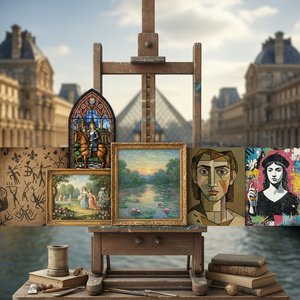
The Enduring Legacy of French Art: Movements, Masters & Cultural Impact
Explore the rich history of French art, from the Salon to Impressionism & beyond. Discover iconic masters, key movements, and expert guidance for collecting timeless masterpieces. OriginalUniqueArt.

Paul Cézanne: 25 mistrovských děl a revoluce v moderním umění | OriginalUniqueArt.cz
Prozkoumejte 25 ikonických děl Paula Cézanna – průkopníka moderního umění a impresionismu. Obdivujte jeho still life, krajiny a portréty. Reprodukce obrazů v nejvyšší kvalitě na OriginalUniqueArt.com. Inspirace pro váš interiér!