
 Náhled v interiéru
 Sdílet
 Sdílet
 Podrobnosti o díle
 Průvodce

 Stáhnout
 Podobné položky
 Rentgenové snímky
 Slideshow
 Q&A
Q&A Statistiky
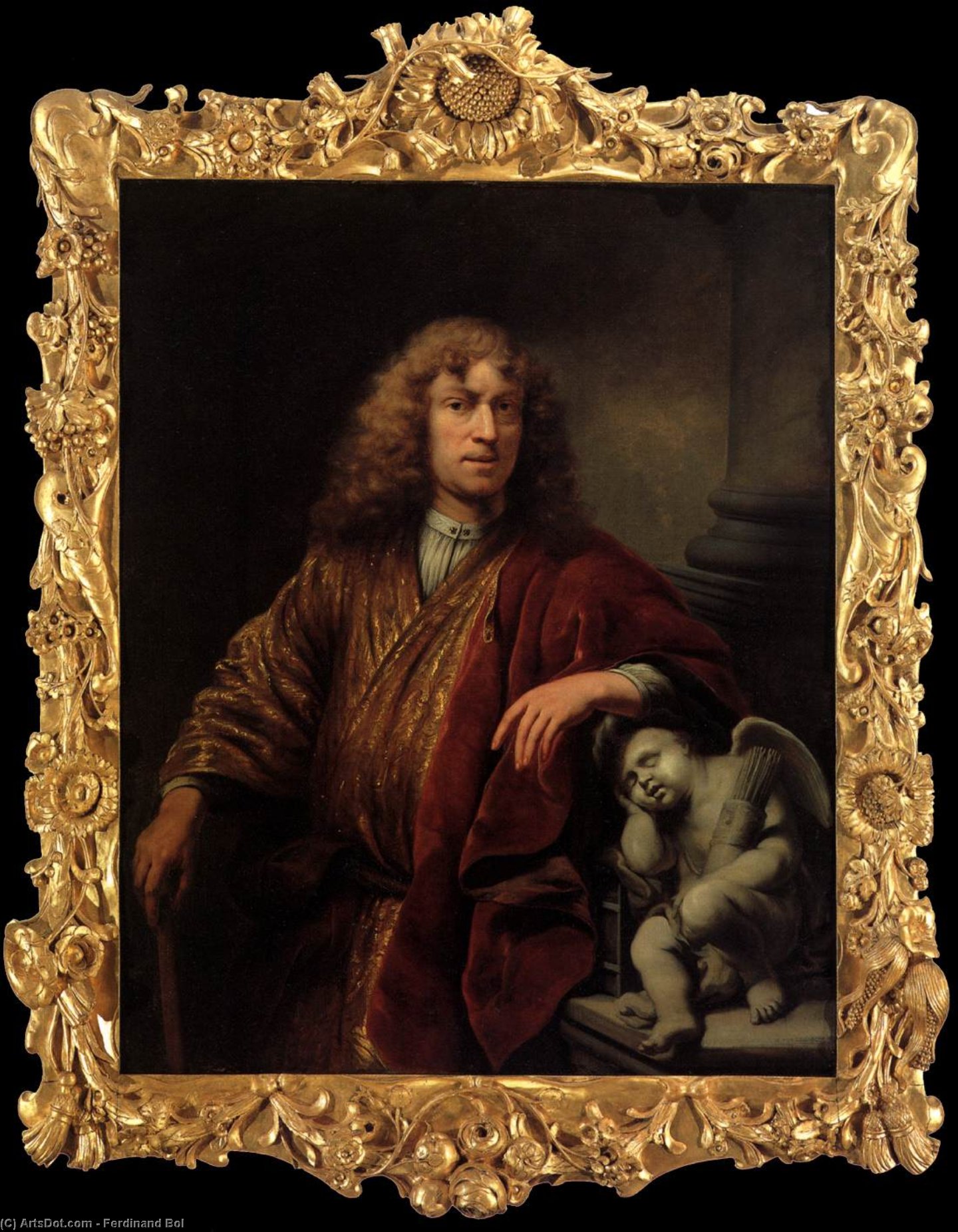
Self-Portrait
 Oil On Canvas
- WallArt
- Baroque
 1669
1669- Early Modern
 128.0 x 104.0 cm
 Rijksmuseum
 Zobrazit více
Získejte soubor připravený k tisku, který svou kvalitou výrazně převyšuje náhled na webu. Každý prodávaný digitální obraz pochází z vysokorozlišeného originálu v naší databázi – obvykle o šířce 5 000 až 15 000 pixelů – díky čemuž můžete tisknout ve velkém formátu, provádět těsný střih nebo si s jistotou užít i ty nejjemnější detaily.
Žádný soubor neopustí naše studio bez úprav. Digitální expert kontroluje barvy v porovnání s původním obrazem a v případě potřeby je upravuje, poté pomocí profesionálních nástrojů pro retuš zvyšuje ostrost a detailnost — přičemž vždy zůstává věrný tahům štětcem a stylu umělce. Výsledkem je obraz, který vypadá jako malba, nikoliv jako naskenovaný snímek s filtrem.
Schvalujete ještě před dokončením: náš expert vám digitální obraz zašle e-mailem k revizi do 72 hodin. Nejsste spokojeni? Požádejte o vylepšení či opravy, nebo si můžete vyžádat vrácení peněz, pokud kvalita neodpovídá očekávání.
Tuto kvalitu využívají vydavatelství, designová studia, galerie i tiskárny.
Digitální obrazy
Stáhněte si soubor ve vysokém rozlišení pro osobní prohlížení, tisk nebo kreativní projekty. ( Přepnout na tisk Koupit ručně malovaný obraz)
Součást každé objednávky digitálního obrazu
Profesionální digitální doručení, zaručené
Když si vyberete OriginalUniqueArt.com, nezískáváte pouze obrázek – získáváte digitální umělecké dílo s profesionálně vylepšenými detaily, zpracované s precizností a podpořené zárukou za spokojenost. Zde je vše, co vaše objednávka automaticky obsahuje:

Rychlé doručení e-mailem
Váš digitální obraz ve vysokém rozlišení vám bude zaslán e-mailem do 72 hodin od objednávky – připraven k okamžitému použití.

Digitální soubor s využitím AI
Vaše umělecké dílo je profesionálně optimalizováno pomocí pokročilých nástrojů umělé inteligence a manuální úpravy, což zajišťuje maximální úroveň detailu, ostrosti a přesnosti barev.

Doživotní bezplatné znovuodeslání digitálních obrazů
Soubor jste omylem smazali nebo ztratili? Žádný problém – kdykoliv vám ho znovu zašleme zcela zdarma.

Bez poplatků za dovoz – navždy
Užijte si své umělecké dílo okamžitě bez celních poplatků, daní nebo nákladů na dopravu – digitální stažení je vždy bez daňových povinností.

Záruka přesnosti barev
Díky profesionálním nástrojům a správě barev zajišťujeme, aby váš digitální obraz odrážel původní barvy co nejvěrněji.

100dená záruka spokojenosti
Pokud nebudete s digitálním obrázkem spokojeni, provedeme jeho revizi nebo vám vrátíme 100% platby do 100 dnů – bez jakýchkoliv dotazů.

100% záruka vrácení peněz
Nespokojeni? Získejte plnou náhradu peněz do 100 dnů od obdržení digitálního souboru – bez zbytečných dotazů.

Slevy při hromadných objednávkách
Koupě 3 obrazů ušetří 10% – Koupě 5 obrazů ušetří 15% – Koupě 10+ obrazů ušetří 20%. Ideální pro kreativní projekty, galerie a agentury.
The Grandeur of Self-Reflection: A Baroque Masterpiece
To stand before this self-portrait is to encounter not merely a likeness, but a carefully constructed statement of status, intellect, and enduring confidence. Rendered in the opulent style of the Baroque period, this work captures the sitter at a moment of profound self-possession. The composition immediately draws the eye into the central figure, whose very bearing speaks of wealth and established dignity. Notice how the artist has utilized dramatic lighting—the hallmark of chiaroscuro—allowing deep shadows to cradle rich folds of fabric while brilliant highlights catch the sheen of luxurious garments and the thoughtful planes of the face. It is a visual symphony built upon contrast, demanding that the viewer pause and absorb the weight of its artistry.
Technique and Material Mastery
The technical execution here is nothing short of masterful. The artist employed oil paints on canvas, allowing for an incredible depth of texture that seems almost palpable. One can trace the meticulous brushwork in the sitter's richly draped clothing, where visible strokes build up volume and suggest the weight of velvet and silk. The handling of skin tones contrasts beautifully with the solidity of the architectural elements—the column and the subtle backdrop. These lines are not merely outlines; they flow, guiding the viewer’s gaze through the carefully orchestrated space. The perspective is expertly managed, employing a one-point focus that anchors all visual energy directly onto the self-portraitist, making the viewing experience intensely personal.
Historical Echoes and Symbolism
Dating to 1669, this piece emerges from the vibrant, ambitious heart of the Dutch Golden Age. While the sitter presents himself as a man of considerable means, the inclusion of the small statue in the background adds a layer of intellectual depth. Such symbolic elements often alluded to classical virtues—perhaps wisdom, or divine favor—suggesting that the subject’s self-regard was rooted not just in earthly success, but in cultivated virtue. The entire presentation speaks to an era where portraiture served as both commemoration and carefully curated public identity.
Bringing Baroque Grandeur Home
For those seeking to infuse a space with the gravitas and romance of historical European art, this reproduction offers unparalleled depth. Imagine this piece gracing a formal drawing-room or a library; its rich palette of deep reds, burnished golds, and warm browns will anchor any sophisticated interior design scheme. The layered textures and dramatic interplay of light make it an instant focal point. Owning a high-quality rendition allows one to connect intimately with the technical brilliance of Ferdinand Bol’s era, bringing home not just a painting, but a tangible piece of Baroque narrative drama.
Otázky a odpovědi
K jakému použití je doporučována tisková reprodukce díla „Self-Portrait“?
Reprodukci díla „Self-Portrait“ od Ferdinand Bol doporučujeme pro Accent. Toto doporučení vychází z tématu, nálady a barevnosti tohoto díla.
Jakou úroveň kontrastu má dílo „Self-Portrait“ od Ferdinand Bol?
Kontrast světla a stínu u díla „Self-Portrait“ je klasifikován jako Bold. Kontrast popisuje, jak výrazně se liší světlé a tmavé oblasti.
Jaké jsou rozměry originálu „Self-Portrait“?
Původní rozměry díla "Self-Portrait" jsou 128 x 104 cm. Původní rozměry slouží jako užitečný vodítko při výběru velikosti reprodukce.
Biografie umělce
Ferdinand Bol: A Forgotten Master of the Dutch Golden Age
Ferdinand Bol, a name perhaps less familiar than those of his illustrious contemporaries Rembrandt van Rijn and Johannes Vermeer, nevertheless occupies a significant, if often overlooked, position within the pantheon of 17th-century Dutch Masters. Born in Dordrecht in 1616, Bol’s artistic journey was deeply intertwined with that of Rembrandt, serving as a pupil in the master's Amsterdam studio during a formative period. This apprenticeship profoundly shaped his style, initially leading to works so convincingly reminiscent of Rembrandt that attribution could prove challenging even for seasoned experts. However, to simply categorize Bol as a mere imitator would be a disservice to his own unique artistic voice and considerable talent. His early life laid the groundwork for a career marked by both technical brilliance and an evolving stylistic independence. While details regarding his initial training remain somewhat scarce – possibilities include tutelage under Jacob Cuyp in Dordrecht or Abraham Bloemaert in Utrecht – it was undoubtedly his time with Rembrandt that proved pivotal, immersing him in the dramatic lighting, psychological depth, and masterful brushwork characteristic of the Baroque period.Early Influences and the Rembrandt Studio
Bol’s artistic development began within the bustling environment of Rembrandt's Amsterdam workshop. This wasn’t merely a place of instruction; it was a crucible where young artists honed their skills amidst a vibrant community of painters, sculptors, and printmakers. Bol’s early years were marked by an intense study of Rembrandt’s techniques – his masterful use of *chiaroscuro*, the dramatic interplay of light and shadow that defined Baroque painting, and his ability to imbue figures with profound psychological depth. It's believed he spent approximately seven years working alongside Rembrandt, a period during which he absorbed not only technical skills but also the master’s approach to composition, color, and characterization. The influence is readily apparent in Bol’s early works, many of which bear striking resemblances to Rembrandt’s portraits and historical scenes. The meticulous detail, the expressive gestures, and the dramatic lighting – all hallmarks of Rembrandt's style – are faithfully replicated by Bol, creating a sense of immediate familiarity for the viewer. However, it is crucial to recognize that Bol was not simply copying his teacher; he was actively engaging with Rembrandt’s techniques, adapting them to his own artistic sensibilities, and gradually developing his own distinctive voice.From Imitation to Independent Vision
Bol's artistic development can be traced through a fascinating trajectory—one beginning with faithful emulation and gradually blossoming into a distinctive personal style. In his early works, the influence of Rembrandt is undeniable; compositions often echo those of his teacher, employing similar *chiaroscuro* effects and a penchant for portraying figures in moments of intense emotional or psychological drama. However, as Bol matured, he began to refine his technique, moving towards a greater emphasis on clarity, elegance, and refined detail. His palette lightened, and his figures acquired a more polished, aristocratic bearing. This shift is particularly evident in his portraits, which became increasingly sought after by Amsterdam’s wealthy elite. He quickly rose through the ranks of Amsterdam's artistic community, becoming a burgher in 1652 and marrying into a family with connections to both the Admiralty and the wine merchants’ guild – affiliations that undoubtedly contributed to securing prestigious commissions. Notably, he received orders for chimney pieces for the new Amsterdam Town Hall, designed by Jacob van Campen, a testament to his growing reputation and artistic standing. He even took on pupils of his own, most notably Godfrey Kneller, who would later achieve fame as an English portrait painter.A Diverse Oeuvre: Historical Narratives and Portraiture
Bol’s oeuvre is remarkably diverse, encompassing historical subjects, portraits, *tronies* (character studies), and even some landscape elements. He demonstrated a particular aptitude for large-scale historical paintings, imbuing them with a sense of grandeur and dramatic tension. The Peace Negotiations between Claudius Civilis and Quintus Petillius Cerealis on the Demolished Bridge, now housed in a museum collection, stands as a prime example of his skill in depicting complex narratives with compelling visual impact. The painting showcases not only his mastery of composition and perspective but also his ability to convey the weight of historical events through expressive gestures and carefully rendered details. However, it was perhaps in the realm of portraiture that Bol truly excelled. He possessed an uncanny ability to capture the likenesses of his sitters while simultaneously revealing their inner character and social status. His portraits are characterized by a refined elegance and psychological insight, offering glimpses into the lives and personalities of Amsterdam’s prominent citizens. Works like Man in Golden Helmet (Mars), now residing in Warsaw's National Museum, exemplify this talent, presenting a figure imbued with both authority and vulnerability.Legacy and Rediscovery
Despite his success during his lifetime, Ferdinand Bol’s reputation waned considerably after his death in 1680. His works were often misattributed to Rembrandt, obscuring his individual contributions to Dutch Golden Age painting. It wasn't until the 20th century that concerted efforts began to re-evaluate his oeuvre and establish him as a significant artist in his own right. Today, scholars and collectors are increasingly recognizing the unique qualities of Bol’s work—his masterful technique, his evolving stylistic independence, and his ability to capture both the outward appearance and inner lives of his subjects. While his output remains relatively small compared to some of his contemporaries, the surviving paintings offer a captivating window into the artistic and cultural landscape of 17th-century Amsterdam. His legacy continues to inspire admiration and intrigue, ensuring that this once-forgotten master will continue to be rediscovered and appreciated by generations to come. The Museum Van Loon in Amsterdam and the Rembrandt House Museum both provide opportunities to encounter his work within the context of the era that shaped him.
Ferdinand Bol
1616 - 1680 , Nizozemsko
Stručné informace
- Artistic Movement Or Style: Barokní malířství
- Artists Or Movements Influenced By This Artist: ['Cuyp']
- Artists Who Influenced This Artist: ['Rembrandt']
- Date Of Birth: 24. června 1616
- Date Of Death: 24. srpna 1680
- Full Name: Ferdinand Bol
- Nationality: Nizozemec
- Notable Artworks:
- Mírové jednání...
- Pyrrhos...
- Muž s zlatou helmy
- Place Of Birth: Dordrecht, Nizozemsko