


Který leptání nebo rytiny je nejznámější?
V našem žebříčku Rytíř od Albrecht Dürer (1513), v Staatliche Kunsthalle Karlsruhe, poté Plate one od William Hogarth a Prastarý dnešní od William Blake.
Slavná díla podle techniky
1494 – 1971
Mistři, ke kterým se naši malíři neustále vracejí. U rytiny je čára vyryta do měděné desky rýlcem; u leptu je vyleptána kyselinou. Zde je 24 mistrovských děl tohoto druhu, z nichž každé je uvedeno spolu s autorem, datem vzniku a muzeem, ve kterém je uloženo.
Naši umělci se stále vrací k dílům Rytíř od Albrecht Dürer, Plate one od William Hogarth a Prastarý dnešní od William Blake. Zde je 24 skvělých leptání a rytiny, včetně informací o malíři, datu a muzeu.

Seznam
Albrecht DürerNávrat renesance
Staatliche Kunsthalle Karlsruhe1513Rytina245 × 188 cm
Toto monochromní rytné dílo zachycuje dramatickou scénu střetu tří klíčových postav. Ve středu kompozice se v krajině pohybuje rytíř v plné zbroji na svém koni, doprovázený psem, který běží mezi zvířaty. Na levé straně vidíme skeletální postavu představující Smrt, jak jede na bledém koni a v ruce drží přesýpací hodiny. Na pravé straně se zase skloubil mezi kořeny stromů ďábel s kozí hlavou. Pracovní nálezeček tohoto díla je vrtaná rybina vytvořená v roce 1513.

William Hogarth18th Century Satire
Muzeum Soaneho sídlaGravura
Ponořte se do pulzující energie umělecké dílny s obrazem „Plate one, from A Rake’s Progress“. Tento složitý lept od Williama Hogartha zachycuje rušné scény plné aktivity a detailů. V centru pozornosti stojí muž v elegantním oblečení, obklopený postavami pracujícími nebo konverzujícími. Tento lept odráží umělecké postupy a sociální dynamiku 18. století.
Hledejtestipplingdetailní linie

William BlakeRomantismus
British Museum, Londýn1794Oil23.3 × 16.8 cm
Naše oči se ponořují do nebeského orbu, zářícího žlutého kruhu, který slouží jako sluneční pozadí pro centrální postavu. Jeho dlouhé, vlající bílé vlasy a vousy zachycují světlo a vytvářejí pocit pohybu proti hluboké černé a tmavě hnědé prázdnotě okolního nebytí.

Petersburg Press, London and New YorkEtching
Tato nádherná grafitová kresba zachycuje jemnou krásu jediného vlasového copu a proměňuje obyčejný předmět v poutavé umělecké dílo. Tento důraz na prosté, avšak evokativní téma symbolizuje ženskost, tradici a osobní identitu, což hluboce rezonuje s emocemi diváka.

William Hogarth18th-century Satire
Muzeum sira Johna Soane1735Gravura v oceli
Ponořte se do chaotické energie "Plátu šestého z A Rake's Progress," mistrovského leptu od Williama Hogartha. Hogarthův charakteristický styl proniká touto detailní kompozicí, kde každý postava a objekt vypráví svůj vlastní příběh. Dílo je z roku 1735 a bylo vytvořeno v době, kdy se Londýn proměňoval a zároveň se objevovaly nové společenské problémy.
Hledejtechaotická hospoda

Albrecht DürerGerman Renaissance
1494Engraving
Bacchanal with Silenus is a work by the German artist Albrecht Dürer, executed in 1494. Around the same time, he created Hercules at the Crossroad, a work dating to about 1498. In about 1512, he produced Flagellation (No. 6).

William BlakeRomanticism
Tate Gallery, Londýn1795Rytina460 × 600 cm
A piece of cloth clings to his form, and his hands move with precision, guided by the sharp points of a compass. This monotype technique allows for a unique play of light, where the shadows feel heavy and the highlights seem to emerge from a murky, thoughtful darkness.

Georges BraqueCubism
The Art Institute of Chicago1911Drypoint etching
In the quiet, monochromatic depths of Georges Braque’s Fox, we encounter a profound moment in the evolution of modern vision. Created in 1911 and published the following year, this exquisite etching serves as a masterclass in the radical language of Cubism.

Gustave DoréRomantický symbolismus
Museo Civico Viterbo, ItálieDřevoryt
Executed as a meticulously detailed black and white engraving, this artwork captures a pivotal moment – the arrival of an angel who opens the gate to Hell itself. The Museo Civico Viterbo, Italy, houses one of the many surviving examples of his engravings, ensuring that this powerful image continues to be appreciated today.
Hledejteanděldramatická scéna

William Henry BartlettRomanticism
1833Engraving or etching
Hare Hall, Essex is a topographical work by William Henry Bartlett. The subject is a Palladian mansion, originally constructed according to designs by James Paine. This architectural study captures the formal symmetry and classical proportions characteristic of the estate. The image was engraved by E. Young in 1833.

William HogarthRocoková satira
Clevelandské muzeum umění1738Vlito (akvatinta a leptání)63 × 76 cm
Scéna se odehrává pod nočním nebesem zalitým měsíčním světlem, které dominuje fluktuující záře ohnivého stolu, jehož teplo ostře kontrastuje s chladnými, až melancholickými tóny okolní temnoty. Prostor zaplňuje rozmanitá skupina postav: někteří se zdají aktivně účastnit festivities, zatímco jiní se pohybují na okraji, což naznačuje komplexní souhru sociálního statusu a individuálních motivací. Dílo „Čtyři denní poryvy: Noc“odráží živou, a přesto bouřlivou atmosféru osmnáctého století v Londýně.
Hledejtekůňnoční scéna

William Henry BartlettRomanticism
Engraving
A sloping lawn pulls the eye from the foreground toward the facade, where tiny figures move through the grass. These people are small, mere punctuation marks in a vast, silent scene of leisure. There is no color to distract the eye, only the tonal range of a monochromatic palette.

Rijksmuseum, Amsterdam1647Etching a drypoint
Rembrandt Harmenszoon van Rijn, jeden z nejvýznamnějších malířů zlatého věku Nizozemska, se v díle „Děti přinášeny k Ježíši“(nylon známá jako „Stovky guilderský tisk“) ukázal jako mistr světla, stínu a lidské psychologie. Scéna zobrazuje Ježíše Krista obklopeného dětmi, kteří se k němu přibližují.
Hledejtesvětlochiaroscuro

Edward HopperContemporary Realism
Philadelphia Museum of Art1921Etching18 × 21 cm
Hopper, a master of capturing fleeting moments of human experience, expertly utilizes light and shadow to create a scene both familiar and unsettlingly detached. It's important to remember that Hopper was deeply influenced by the literary works of writers like Henry James, whose explorations of psychological states resonated strongly with his artistic vision.
Hledejtechairsbench

Benson B. MooreRealism
Etching18 × 22 cm
The artwork titled Tabby Cat is a creation by the artist Benson B Moore. The work carries an inscription that provides historical context regarding its origin and intended recipient. This presentation occurred on May 20th, 1898. The artist's signature, Benson B Moore, is located at the bottom right corner of the composition.

Colour engraving
This work is a reproduction of an engraving dating to 1830, reflecting an idealized perspective of Caribbean cultivation. It functions as a visual record of the 18th-century West Indies, focusing on the mechanics of sugar production and the landscape of the Antilles.

Giorgio MorandiMetaphysical Art
Etching or engraving
He remained rooted in his native city until his death in 1964. This work belongs to a lifelong practice of looking at the same forms through shifting light and shadow. In Untitled (865), the objects exist in a state of stillness.

SCAD Museum of Art, Savannah1971Vytěvování leptem
Part of his ambitious and spiritually charged Song of Songs portfolio, this work transcends the boundaries of traditional printmaking to offer a window into a world where memory, longing, and biblical mysticism converge. For those seeking to curate a space with intellectual depth and artistic prestige, "Return, Return, Shulamite" offers unparalleled inspiration.

Pablo PicassoCubist Surrealism
1937Painting
In the hauntingly beautiful monochrome of Pablo Picasso’s “Minotaur and His Wife,” we are invited into a dreamscape where the boundaries between the human and the mythological dissolve. The composition presents a man—often interpreted as a self-portrait of Picasso —locked in an intimate yet visibly fraught embrace with a woman.

Gustave DoréRomanticism
Etching or engraving
Other compositions from this period include Paradise Lost (11), which presents a hellish landscape populated by serpentine creatures and monstrous forms. The artist also produced Paradise Lost (12), a work characterized by a heavy stillness within a desolate landscape.

William BlakeRomantismus
Tate Collection1825Lineová gravura na papíře
V hlubinách Williamova Blakeova mistrovského díla z roku 1825, Satan před Božím trůnem, jsme pozván do říše, kde se hranice mezi fyzickým a duchovním rozplývají. Tento monumentální úspěch v náprestní grafice slouží jako mnohem více než pouhá ilustrace biblického příběhu; je to intenzivně symbolické zkoumání teologického konfliktu a lidské existence. V jádru díla je Satan vykreslen jako vzrůstá, budící respekt postava, která dominuje božskému trůnu a vizuálně ztělesňuje drzost Luciferova vzdoru proti nebeské autoritě.

Pieter BruegelNorthern Renaissance
Albertina, Vienna1556Engraving
Pieter Bruegel the Elder's Big Fish Eat Little Fish, painted in 1556 and later rendered as an engraving by Pieter van der Heyden, isn’t merely a depiction of marine life; it’s a visceral allegory for the relentless cycle of predation and power that has resonated through human history.
Hledejtecannibalism scene

Max ErnstSurrealism
Museo Nacional ThyssenEtching/engraving
Ernst, a pivotal figure in both Dada and Surrealism, masterfully employs a technique reminiscent of engraving or etching, creating an extraordinary contrast between light and shadow, sharp lines, and a flattened perspective that contributes to the work’s dreamlike quality.
Hledejtemona Lisaserpent

Engraving
The gaze meets Nova Totius Terrarium Orbis, a work that breathes with the spirit of 17th-century cartographic art. In Nova Totius Terrarium Orbis, we see the intersection of geographical inquiry and artistic intent. Within these boundaries, the continents of Europe, Asia, Africa, and America emerge, each defined by its own unique geographical character.
Kde je lze vidět
Muzeum Soaneho sídla
Petersburg Press
Muzeum sira Johna Soane
The Art Institute of Chicago
Museo Civico Viterbo
Rijksmuseum
Umělci

1697–1764 · Spojené království · 3
Kvůli dluhům byl umělec pět let ve Fleet Prison, kde vyrůstal a pozoroval sociální rozdíly v Londýně.
2. Plate one, 5. Šestá deska z "Rake's Progress", 11. The Four Times of Day: Night

1757–1827 · Spojené království · 3
Společnost ho často považovala za šílence, ale on celý život tvořil vlastní mytologii pomocí reliéfové techniky a ručně barvených tisků.
3. Prastarý dnešní, 7. Isaac Newton, 21. Satan před Božím trůnem
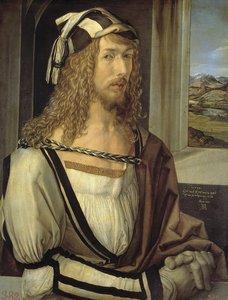
1471–1528 · Německo · 2
Umělec vytvořil přes 300 grafik, včetně série Apokalypsa z roku 1498 a slavné Melancholie I z roku 1514.
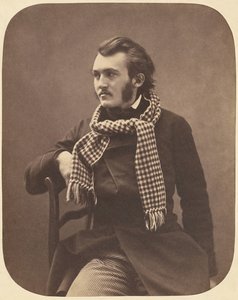
1832–1883 · Francie · 2
Umělec vytvořil přes 10 000 ilustrací, včetně rozsáhlého díla Khavan The Raven od Edgara Allana Poea, za které získal 30 000 franců.

1809–1854 · Spojené království · 2
William Henry Bartlett (1809-1854): britský umělec známý detailními krajinářskými a architektonickými grafiky z Británie, Ameriky & Středomoří.

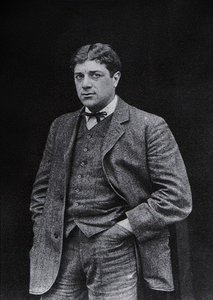
1882–1963 · Francie · 1
V roce 1915 mu těžké zranění hlavy během první světové války způsobilo dočasnou slepotu a dlouhou dobu rekonvalescence.
Otázky a odpovědi
V našem žebříčku Rytíř od Albrecht Dürer (1513), v Staatliche Kunsthalle Karlsruhe, poté Plate one od William Hogarth a Prastarý dnešní od William Blake.
William Hogarth (3), William Blake (3) a Albrecht Dürer (2) z celkem 24 děl.
Staatliche Kunsthalle Karlsruhe obsahuje 1 z celkem 24 děl na seznamu, zbývajících Muzeum Soaneho sídla (1), British Museum (1) a Petersburg Press (1).
Od 1494 (Bacchanal with Silenus od Albrecht Dürer) do 1971 (Return, Return, Shulamite from Song of Songs of Solomon od Salvador Dalí).
6 200 děl; tato stránka ukazuje 24 nejslavnějších z nich, vytvořených 17 umělci.
Londýn, s 2 z 24; poté London and New York (1), Itálie (1) a Amsterdam (1).
Náš žebříček vychází z dat Wikipedie, manuálního hodnocení, které naši redakt tři přisuzují každému umělcovi a dílu, a počtu měsíčních návštěv jednotlivých stránek.