

 Zobrazit v interiéru
 Odeslat
 Sdílet
 Podrobnosti
 Průvodce

 Stáhnout obrázek
 Podobné kousky
 Rentgenové snímky
 Slideshow
 Statistiky
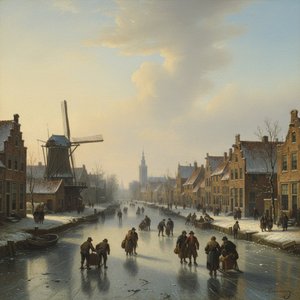
Dodrecht
 Oil On Canvas
- WallArt
- Impressionism
 61.0 x 50.0 cm
 Regional Gallery in Liberec
 Přečíst si více
Giclée / Umělecký tisk
Giclée nebo plátěný tisk muzeální kvality s rychlou výrobou a širokou nabídkou povrchových úprav. ( Objednat ručně malovanou reprodukci Přepnout na digitální verzi obrazu)




P118B Kč10

P118H Kč10

P118W Kč10

P438Z Kč10

P508JH Kč12

P508YH Kč12

P805H Kč10

P805Z Kč10

P919BZ Kč10

P919G Kč10

P919XJ Kč10

P959ZH Kč10

P968JZ Kč12

W106C Kč8

W218G Kč10

W218JH Kč8

W218Y Kč10

W307PJ Kč10

W316G Kč10

W316PJ Kč8

W316Y Kč10

W398PJ Kč8

W4111J Kč10

W500HY Kč15

W500JH Kč15

W692G Kč12

W849H Kč8

W940BG Kč15

W953PJ Kč8




Vyberte si z našich přednastavených velikostí, které odpovídají původním proporcím díla.

Zadejte šířku a výšku, které potřebujete pro váš rám nebo stěnu. Tisk lze pouze oříznout, nikdy však nelze zvětšit obraz nad jeho původní rozměr, proto při výběru jiného formátu dochází ke ztrátě části obrazu. Před samotným tiskem vám zašleme digitální náhled k schválení. Obraz zobrazený na této stránce nenabízí skutečný výřez — ten uvidíte pouze v náhledu.
Celosvětové doručení () do 2 týdnů namísto standardních 4/5 týdnů. (21 říjen)

Zdarma celosvětová expresní doprava

Vysoce kvalitní lněné plátno

Úplné pojištění přepravy

Záruka vrácení celního poplatku

Záruka věrného barevného shodu

100dení lhůta pro vrácení zboží (pouze při vadách výroby)

100% garance vrácení peněz

Sleva při více objednávkách
 Skleněná varianta je dostupná pouze u rozměrů menších než 110 cm

Dodrecht
Giclée / Umělecký tisk
Velikost reprodukce
-


Celková cena
Kč 1700
A Moment in Normandy: Eugène Boudin’s “Dodrecht”
Eugène Louis Boudin's "Dodrecht," painted circa 1874, isn’t merely a depiction of a canal scene; it’s an immersion into the very essence of late 19th-century French Impressionism. This evocative landscape captures a fleeting moment along the waterways of Dordrecht, a city nestled within the Netherlands, and speaks to Boudin's profound connection with light, atmosphere, and the transient beauty of everyday life. The painting immediately draws the viewer in with its soft, hazy palette—muted blues, greens, and ochres dominate, creating an almost dreamlike quality that belies the meticulous observation at play.
Boudin’s approach to capturing this scene is profoundly characteristic of his style. He eschews sharp detail in favor of a loose, broken brushstroke technique, applying paint in short, vibrant dashes that seem to dance across the canvas. This deliberate lack of precision isn't a flaw; rather, it’s the very heart of Impressionism – an attempt to convey not just what is seen, but how it *feels* to be present within that moment. The texture itself becomes a key element, with visible brushwork adding depth and dynamism to the scene. Notice how the reflections shimmer on the water's surface, created by these individual strokes, lending an almost palpable sense of movement.
The Painter’s Philosophy: Plein Air and the Capture of Light
Boudin was a pioneer in the practice of *plein air* painting – working directly outdoors. This commitment to observing nature firsthand profoundly shaped his artistic vision. He wasn't interested in creating photographic reproductions; instead, he sought to capture the ephemeral qualities of light and atmosphere as they shifted with each passing moment. “Dodrecht” exemplifies this philosophy perfectly. The artist meticulously studied how sunlight interacts with water, buildings, and vegetation, translating these observations onto canvas with remarkable sensitivity. His early exposure to Dutch masters like Jongkind, who championed painting outdoors, undoubtedly influenced his approach.
The historical context of the late 19th century is crucial to understanding Boudin’s work. France was undergoing rapid industrialization and urbanization, leading many artists to seek refuge in the countryside and to explore themes of rural life and natural beauty. Boudin's focus on these subjects resonated with a growing public yearning for connection with nature – a sentiment that would become central to the Impressionist movement. The painting subtly evokes the tranquility of a slower pace of life, a stark contrast to the bustling industrial centers of Europe.
Symbolism and Emotional Resonance
Beyond its technical brilliance, “Dodrecht” carries a quiet emotional resonance. The composition—with the canal as the dominant element—creates a sense of enclosure and intimacy, drawing the viewer into the scene. The church steeple rising above the rooftops provides a vertical anchor, grounding the image while simultaneously suggesting a connection to faith and tradition. The boats navigating the waterway hint at human activity and interaction, yet the overall mood remains one of peaceful contemplation.
The painting’s muted color palette contributes significantly to its emotional impact. The soft hues evoke feelings of serenity, nostalgia, and perhaps even melancholy—a subtle reminder of the passage of time. It's a scene that invites reflection on the beauty of the natural world and the simple pleasures of everyday life. “Dodrecht” isn’t just a landscape; it’s an invitation to slow down, observe, and appreciate the fleeting moments of grace that surround us.
A Reproduction Worthy of Display
Reproductions of Boudin's "Dodrecht" offer a remarkable opportunity to bring this evocative masterpiece into your home or office. The delicate balance between light, color, and brushwork is beautifully preserved in high-quality reproductions, allowing you to experience the artist’s vision firsthand. Whether displayed as a focal point on a wall or incorporated into a larger interior design scheme, “Dodrecht” will undoubtedly add a touch of timeless elegance and artistic depth to any space.
Otázky a odpovědi
V jaké orientaci je dílo „Dodrecht“ od Eugène Boudin?
Dílo „Dodrecht“ od Eugène Boudin má formát Landscape. Formát určuje poměry kompozice.
Jak si mohu prohlédnout „Dodrecht“ od Eugène Boudin ve formě skluzobránku?
K dispozici je sklízivka: stránka Diaporama díla „Dodrecht“ od Eugène Boudin.
Jaká jsou práva k reprodukci díla „Dodrecht“ v instituci Regional Gallery in Liberec?
Autorskoprávní status díla „Dodrecht“ od Eugène Boudin je jasný: toto dílo spadá do patří do volného užití – autorská práva vypršela. Jeho umístění v instituci Regional Gallery in Liberec tento stav nemění.
Biografie umělce
Early Life and Artistic Beginnings
Eugène Louis Boudin, born in the coastal town of Honfleur, France, in 1824, possessed a destiny inextricably linked to the sea. His father, a harbor pilot, instilled within him an early appreciation for the ever-changing moods and captivating beauty of the maritime world. This formative influence would become the cornerstone of Boudin’s artistic vision. Rather than pursuing a traditional academic path, young Eugène began his working life aboard a steamboat traversing between Le Havre and Honfleur at the tender age of ten. It was during these voyages that he first felt compelled to capture the fleeting impressions of light and water with sketches in the margins of his books—the nascent stirrings of a lifelong passion. The family’s subsequent move to Le Havre, where his father established a shop for stationery and picture frames, further immersed Boudin in an artistic environment. He worked alongside his father, eventually opening his own small shop, which brought him into contact with local artists like Constant Troyon and Jean-François Millet, who encouraged his burgeoning talent. These early encounters proved pivotal, steering him away from commerce and towards a dedicated life of painting.Developing a Unique Style: Plein Air Painting and Influences
Boudin’s artistic development was profoundly shaped by several key influences. A crucial turning point came with his introduction to Johan Jongkind, a Dutch painter who championed the practice of en plein air—painting outdoors directly from nature. This revolutionary approach allowed Boudin to capture the ephemeral qualities of light and atmosphere with unprecedented immediacy. He embraced this technique wholeheartedly, becoming adept at rendering the subtle nuances of sky and sea. His style also drew inspiration from the 17th-century Dutch masters, whose meticulous attention to detail and atmospheric perspective resonated deeply with his own artistic sensibilities. Boudin’s pastels, characterized by their summary yet evocative brushwork, quickly garnered recognition. Critics like Charles Baudelaire lauded his ability to convey the essence of a scene with remarkable economy, while Camille Corot affectionately dubbed him “the king of the skies,” acknowledging his mastery of atmospheric effects. He was also deeply influenced by the works of fishermen and sailors, whose knowledge of the sea and its moods provided invaluable insight into his subject matter.Impressionism and Lasting Legacy
Though often categorized alongside the Impressionists, Boudin’s relationship with the movement was nuanced. He participated in the first Impressionist exhibition in 1874, showcasing his work alongside Claude Monet and other avant-garde artists. However, he never fully identified as an “Impressionist,” maintaining a more traditional approach to composition and technique. Nevertheless, his influence on the development of Impressionism was undeniable. Most notably, Boudin served as a mentor to a young Claude Monet, instilling in him a love for painting outdoors and encouraging him to abandon academic conventions in favor of capturing fleeting impressions of light and color. Monet himself credited Boudin with fundamentally shaping his artistic vision, stating that Boudin had “torn the veil from my eyes” and revealed the true potential of landscape painting. Throughout his career, Boudin received numerous accolades, including a third-place medal at the Paris Salon in 1881 and a gold medal at the 1892 Exposition Universelle.Major Works and Artistic Themes
Boudin's oeuvre is characterized by a deep connection to the sea and coastal landscapes of Normandy. Still Life with Lobster on a White Tablecloth, now housed at the High Museum of Art in Atlanta, exemplifies his somber yet noble approach to still life painting, imbued with a sense of quiet contemplation. His beach scenes, populated with figures enjoying leisurely pursuits, capture the vibrancy and vitality of seaside life. Honfleur, the Saint Catherine Market Place showcases his skill at depicting bustling urban environments bathed in natural light. Throughout his work, Boudin consistently explored themes of transience, atmosphere, and the interplay between humanity and nature. He possessed an exceptional ability to convey the subtle shifts in weather and light, creating paintings that evoke a powerful sense of place and mood. His dedication to capturing these fleeting moments solidified his reputation as a master of atmospheric perspective and a pioneer of plein air painting.Final Years and Enduring Influence
In his later years, Boudin continued to travel extensively, seeking inspiration in Belgium, the Netherlands, and southern France. He also made several visits to Venice, captivated by its unique light and architectural beauty. Despite facing health challenges, he remained remarkably productive, consistently exhibiting his work and mentoring younger artists. Eugène Louis Boudin passed away in 1898 at Deauville, overlooking the English Channel that had so profoundly shaped his life and art. His legacy extends far beyond his own paintings; the Eugène Boudin Prize, awarded by the Société Nationale des Beaux-Arts, stands as a lasting tribute to his enduring influence on generations of artists. Today, his works are celebrated in museums worldwide, including the Musée d’Orsay in Paris, which houses several of his most iconic paintings, such as Landscape with Sunset. Boudin's remarkable career serves as a testament to the power of observation, the beauty of nature, and the enduring allure of the sea.
Eugène Boudin
1824 - 1898 , Francie
Rychlé informace
- Artistic Movement Or Style: Impresionismus
- Artists Or Movements Influenced By This Artist:
- Monet
- Impresionisté
- Artists Who Influenced This Artist:
- Jongkind
- Holanďani
- Date Of Birth: 12. července 1824
- Date Of Death: 8. srpna 1898
- Full Name: Eugène Louis Boudin
- Nationality: Francouz
- Notable Artworks:
- Stillba s krabem
- Venkovské krajiny
- Place Of Birth: Honfleur, Francie
Související články

Golden Light & Dutch Skies: The Timeless Magic of Dutch Golden Age Landscapes
Discover the breathtaking beauty of Dutch Golden Age landscapes. Explore the mastery of light, chiaroscuro, and 17th-century realism through an expert art history lens, celebrating the enduring legacy of the Dutch Masters for discerning collectors and art lovers.

Top 10 impresionistických krajin: Mistrovská díla, která změnila umění | OriginalUniqueArt
Prozkoumejte 10 ikonických impresionistických krajin od Monet, Renoir a dalších. Objevte příběhy umělců, techniky a barevnost tohoto revolučního hnutí. Najděte perfektní obraz pro váš interiér na OriginalUniqueArt.com
Charles Leickert: Capturing the Dutch Golden Age Light – A Comprehensive Study of Technique, Context, and Legacy
Explore the captivating winter landscapes of Charles Leickert, a master of Dutch Golden Age light & atmosphere. Discover his techniques, symbolism, and lasting legacy – a comprehensive study for art enthusiasts and collectors.

Top 10 impresionistických krajin: Mistrovská díla, která změnila umění | OriginalUniqueArt.cz
Prozkoumejte 10 ikonických impresionistických krajin od Monet, Renoir a dalších. Objevte příběhy umělců, techniky a barvy, které definovaly toto revoluční hnutí. Najděte dokonalý obraz pro váš interiér na OriginalUniqueArt.cz

Capturing the Light of Amsterdam: A Journey Through Impressionist Masterpieces of the Dutch Canals
Embark on a visual journey through the luminous Amsterdam canals. Discover how Impressionist masters captured the fleeting light of the Dutch landscape through evocative brushwork and color. Explore the timeless beauty of these masterpieces for your private art collection.


