

 Zobrazit v interiéru
 Odeslat
 Sdílet
 Podrobnosti
 Průvodce

 Stáhnout obrázek
 Podobné kousky
 Rentgenové snímky
 Slideshow
 Statistiky
Det lugna vattnet
 Akryl na plátně
- Obrazová tvorba na stěnu
- Regionalist Landscape Painting
 1901
1901 1780.0 x 1420.0 cm
 Národní muzeum
 Přečíst si více
Giclée / Umělecký tisk
Giclée nebo plátěný tisk muzeální kvality s rychlou výrobou a širokou nabídkou povrchových úprav. ( Objednat ručně malovanou reprodukci Přepnout na digitální verzi obrazu)




P118B $10

P118H $10

P118W $10

P438Z $10

P508JH $12

P508YH $12

P805H $10

P805Z $10

P919BZ $10

P919G $10

P919XJ $10

P959ZH $10

P968JZ $12

W106C $8

W218G $10

W218JH $8

W218Y $10

W307PJ $10

W316G $10

W316PJ $8

W316Y $10

W398PJ $8

W4111J $10

W500HY $15

W500JH $15

W692G $12

W849H $8

W940BG $15

W953PJ $8




Vyberte si z našich přednastavených velikostí, které odpovídají původním proporcím díla.

Můžete zadat vlastní rozměry tak, aby výtvor odpovídal konkrétnímu rámu nebo prostoru. Pokud zvolená velikost nebude odpovídat poměru stran původního obrazu, dílo buď ořížeme, nebo obraz rozšíříme pomocí zrcadlového efektu či jednobarevného okraje. Před zahájením výroby vám bude zaslán digitální náhled k schválení.
Mějte prosím na paměti, že náhled na obrazovce neodráží skutečné oříznutí nebo rozšíření. Pouze digitální náhled přesně zobrazí finální kompozici.
Ačkoliv jsou k dispozici i vlastní rozměry, pro zachování původních proporcí doporučujeme vybrat si rozměr z předdefinovaného seznamu.
Celosvětové doručení () do 2 týdnů namísto standardních 4/5 týdnů. (21 září)

Zdarma celosvětová expresní doprava

Vysoce kvalitní lněné plátno

Úplné pojištění přepravy

Záruka vrácení celního poplatku

Záruka věrného barevného shodu

100dení lhůta pro vrácení zboží (pouze při vadách výroby)

100% garance vrácení peněz

Sleva při více objednávkách
 Skleněná varianta je dostupná pouze u rozměrů menších než 110 cm

Det lugna vattnet
Giclée / Umělecký tisk
Velikost reprodukce
-


Celková cena
$ 80
Robert Henri: En Pionjär inom Amerikansk Regionalism
Robert Henri, född Robert Henry Cozad i Cincinnati, Ohio den 10 februari 1865 och död Lambertville, New Jersey den 17 augusti 1947, är en central figur i utvecklingen av amerikansk konst. Hans resa från ett barn som flyttar till Nebraska till att bli en hyllad konstnär återspeglar en dedikation till att fånga essensen av vardagslivet och själen hos hans födelseland – en filosofi som djupt påverkade den växande regionalistiska rörelsen.
Henri’s konstnärliga utbildning var initialt något konventionell, där han fick instruktioner i Cincinnati innan han flyttade till New York City 1887. Därförgissa honom själv att bryta mot akademiska begränsningar och omfamna ett mer direkt och uttrycksfullt måleristiskt tillvägagångssätt.
Första Influenser och Konstnärlig Utveckling
Henri’s tidiga konstnärliga utveckling präglades av flera viktiga influenser. Impressionisterna, särskilt Claude Monet och Pierre-Auguste Renoir, gav honom inspiration till att använda ljus och färg på ett innovativt sätt för att skapa atmosfär och känsla. Detta kommer också att märkas i hans senare verk där Henri försöker fånga verkligheten så nära som möjligt utan att försöka efterlikna akademiska ideal.
Landskapet Som Själ
Det lugna vattnet är ett mästerverk av Eugen Napoleon Nicolaus och fångar perfekt essensen av svenska landskap. Henri var en entusiastisk observatör av naturen och försökte skapa konst som återspeglar dess skönhet och komplexitet. Detta syns tydligt i hans målningar där han använder mjuka färger och detaljerade penseldrag för att skapa ett atmosfärisk bild.
Symbolism och Emotionell Inverkan
Verket förmedlar en känsla av lugn och harmoni, vilket är typiskt för Henri’s konstnärliga stil. Det är inte bara ett tekniskt imponerande verk utan också ett psykologiskt djupgående där Henri försöker väcka känslor hos betraktaren genom sina färger och komposition.
Teknik Och Stil
Henri använde sig av en teknik som betonar spontanitet och direkt uttryck. Han arbetade ofta utanför studion och föredrog att måla direkt på duken, vilket gav honom möjlighet att fånga ögonblicket perfekt och skapa konstverk med ett autentiskt känsloliv. Detta är särskilt tydligt i Det Lugna Vattnet där Henri använder ett tjockt lager av målning för att skapa en imponerande textur och fånga ljusets reflektioner på vattnets yta.
Biografie umělce
Robert Henri: A Pioneer of American Regionalism
Robert Henri, born Robert Henry Cozad in Cincinnati, Ohio on February 10, 1865, and passing away in Lambertville, New Jersey on December 17, 1947, stands as a pivotal figure in the development of American art. His journey from a young boy moving to Nebraska to becoming a celebrated artist reflects a dedication to capturing the essence of everyday life and the spirit of his native land – a philosophy that profoundly influenced the burgeoning Regionalist movement. Initially, Henri’s artistic training was somewhat conventional, receiving instruction in Cincinnati before relocating to New York City in 1887. It was here, amidst the bustling art scene, that he began to forge his distinctive path, rejecting the academic constraints of the time and embracing a more direct and expressive approach to painting.Early Influences and Artistic Development
Henri’s early artistic development was shaped by several key influences. The Impressionists, particularly Monet and Renoir, instilled in him an appreciation for capturing fleeting moments of light and color. However, he quickly moved beyond mere imitation, seeking to infuse his work with a deeper emotional resonance. He also found inspiration in the works of Gustave Courbet, whose commitment to depicting ordinary subjects with honesty and realism resonated deeply with Henri’s own artistic vision. Crucially, Henri's time spent observing the lives of working-class Americans – particularly in New York City – provided him with a rich source of subject matter and a profound understanding of human nature. This immersion in the realities of urban life would become a defining characteristic of his art. His early works often depicted scenes of street life, laborers, and immigrants, rendered with a remarkable sensitivity to their dignity and struggles.The Ashcan School and Regionalism
Henri’s most significant contribution to American art lies in his role as a founder of the Ashcan School. Emerging in the early 1900s, this movement sought to break away from the traditional subjects favored by the established art world – landscapes and historical scenes – and instead focus on depicting the gritty realities of urban life in America. Artists like Henri, John Sloan, George Bellows, and Everett Shinn captured the sights and sounds of New York City’s tenements, factories, and crowded streets with unflinching honesty. Henri's paintings, such as *Table at City Diner* (1913) and *The Newsboy*, are prime examples of this style—characterized by loose brushwork, vibrant colors, and a focus on the lives of ordinary people. He championed a philosophy of “art for life’s sake,” believing that art should reflect the world as it truly is, not as it is idealized or romanticized. This stance directly challenged the prevailing artistic conventions of the time and paved the way for future generations of American artists to explore new subject matter and approaches.Technique and Style
Henri’s distinctive style was characterized by a bold and expressive use of color, loose brushwork, and a dynamic sense of movement. He favored working *alla prima* – directly on the canvas without preliminary sketches – allowing him to capture the immediacy of his subjects. His compositions were often asymmetrical and energetic, reflecting the chaotic energy of urban life. He employed a technique he called “color-plus-form,” prioritizing color as the primary element in his paintings while still maintaining a strong sense of form and structure. Henri’s palette was typically rich and vibrant, utilizing complementary colors to create visual excitement and depth. He wasn't interested in photographic realism; instead, he sought to convey the *feeling* of a scene—the atmosphere, the mood, and the emotional impact.Legacy and Historical Significance
Robert Henri’s influence on American art is undeniable. As a founder of the Ashcan School, he helped to shift the focus of American painting away from traditional subjects and towards the realities of everyday life. His commitment to depicting ordinary people with dignity and respect paved the way for future generations of artists to explore social realism and documentary photography. Henri’s emphasis on “art for life’s sake” continues to resonate today, reminding us that art can be a powerful tool for social commentary and personal expression. His work remains celebrated for its honesty, vitality, and profound understanding of the human condition. He is remembered not just as an artist but as a teacher who inspired countless students to pursue their own artistic visions with passion and conviction. His legacy endures in the continued exploration of regional themes and the celebration of ordinary subjects within American art.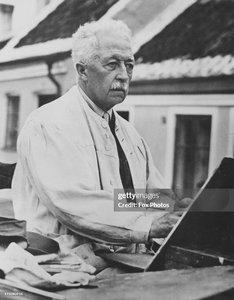
eugen napoleon nicolaus
1865 - 1947 , Sweden
Rychlé informace
- Artistic Movement Or Style: Impressionism
- Artists Or Movements Influenced By This Artist:
- The Ashcan School
- American Impressionism
- Artists Who Influenced This Artist:
- William Merritt Chase
- Jean-Baptiste Camille Corot
- Date Of Birth: 1865
- Date Of Death: 1947
- Full Name: Robert Henri
- Nationality: American
- Notable Artworks:
- The Table
- Spanish Village
- Portrait of a Musician
- Place Of Birth: Cincinnati, Ohio
Související články

Romantická krajina v malbě: 10 mistrovských děl, které definovaly umělecký proud | OriginalUniqueArt
Prozkoumejte 10 ikonických děl romantické krajinářské malby! Objevte příběhy Caspara Davida Friedricha, Turnera a dalších mistrů. Reprodukce obrazů nejvyšší kvality pro váš interiér na OriginalUniqueArt.com.

Evocations of Place: A Historical Journey Through Landscape Art
Explore the rich history of landscape art with OriginalUniqueArt. Discover renowned artists, movements like Impressionism & tonalism, and expert guidance for collecting timeless pieces. Find your perfect serene escape today!
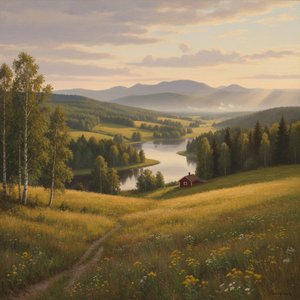
Johan Krouthén: Navigating Swedish Romanticism Through Landscape & Light
Explore the captivating landscapes of Johan Krouthén, a Swedish artist who broke from tradition to embrace realism & idealism. Discover his technique, influences, and legacy with OriginalUniqueArt.

John Constable: 25 mistrovských děl krajinářské poezie | OriginalUniqueArt.com
Prozkoumejte 25 ikonických děl Johna Constabla, mistra anglického krajinářství a romantismu. Obdivujte jeho olejomalby, plátna s venkovskou atmosférou a inspirujte se pro dekoraci interiéru. Reprodukce obrazů nejvyšší kvality na OriginalUniqueArt.com

Evocations of Place: A Historical Journey Through Landscape Art
Explore the rich history of landscape art with OriginalUniqueArt. Discover renowned artists, movements like Impressionism & Romanticism, and expert guidance for collecting timeless pieces. Find your perfect serene escape today!
