
 Zobrazit v interiéru
 Odeslat
 Sdílet
 Podrobnosti
 Průvodce

 Stáhnout obrázek
 Podobné kousky
 Rentgenové snímky
 Slideshow
 Statistiky
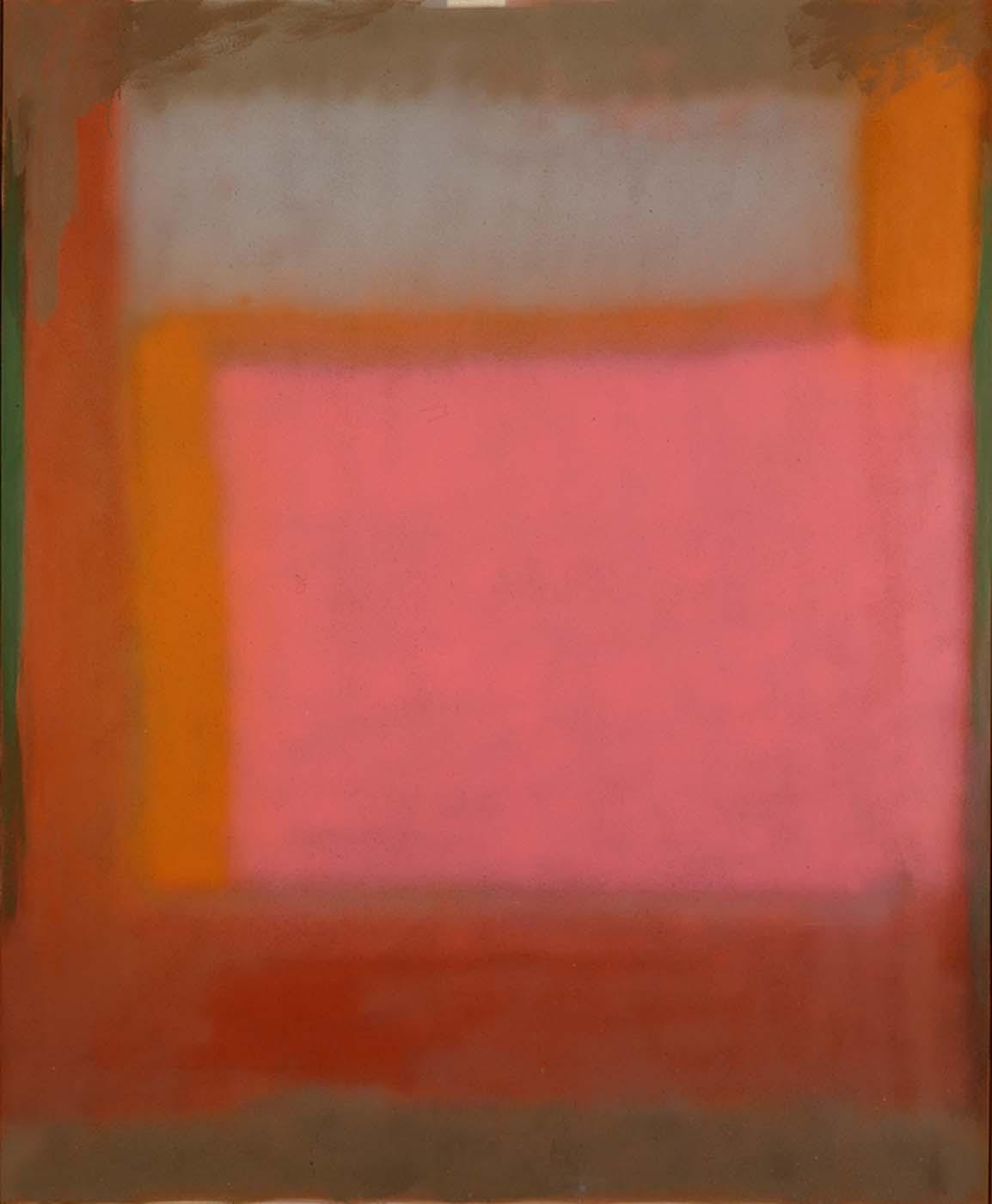
Spring
 1972
1972 173.0 x 143.0 cm
 Přečíst si více
Umělecké dílo zobrazené na této stránce je chráněno autorským zákonem, což znamená, že nemůžeme legálně vytvářet ani prodávat jeho identickou reprodukci. Tato ochrana je vymáhána na základě mezinárodních dohod, jako například Berberská úmluva a národními zákony, včetně těch stanovených v Americký autorský zákon – Díl 17. Všechna práva vyhrazena.
Jako etickou a právní alternativu nabízíme vlastní, ručně malovaná umělecká díla inspirovaná originálem. Naši zdatní a profesionální umělci si pečlivě studují styl, náladu a uměleckou podstatu originálu, aby vytvořili nové, jedinečné dílo, které vyvolává stejný pocit – přičemž zůstává samostatným originálním tvůrčím dílem.
Tato metoda je plně v souladu s autorským právem, protože nezahrnuje kopírování ani duplikování chráněného díla. Jde o kreativní reinterpretaci – nový obraz, který je inspirován originálem, ale není s ním identický.
Ručně malovaná olejová reprodukce
Ručně malované olejné plátno v libovolném rozměru i s rámem, vyrobené našimi umělci na zakázku. ( Přepnout na tiskové verze Přepnout na digitální verzi obrazu)




































Vyberte si z našich přednastavených velikostí, které odpovídají původním proporcím díla.

Zadejte šířku a výšku, které potřebujete pro váš rám nebo stěnu. Protože se jedná o ruční malbu, při výběru jiného formátu může umělec kolem obrazu domalovat o něco více, nebo jej mírně oříznout — rozhodnete si vy. Před zahájením malby vám zašleme digitální náhled ke schválení. Obraz zobrazený na této stránce neodpovídá skutečnému výsledku — pouze digitální náhled jej zobrazuje.
Po přijetí objednávky vám tým OriginalUniqueArt.com zašle e-mail s pokyny a poskytne náhledovou verzi.
Celosvětová doprava () za 3–4 týdny namísto standardních 5 týdnů. (22 říjen). Bez kompromisů v kvalitě.

Zdarma celosvětová expresní doprava

Vysoce kvalitní lněné plátno

Úplné pojištění přepravy

Záruka vrácení celního poplatku

Záruka věrného barevného shodu

100dení lhůta pro vrácení zboží (pouze při vadách výroby)

100% garance vrácení peněz

Sleva při více objednávkách
 Skleněná varianta je dostupná pouze u rozměrů menších než 110 cm

Spring
Technika provedení
Velikost reprodukce
-


Celková cena
Kč 6422
Biografie umělce
The Lyrical Soul of Abstract Expressionism
Esteban Vicente stands as a profound bridge between the classical traditions of Europe and the radical, transformative energy of the New York School. Born in 1903 in the quiet Spanish town of Turégano, his early life was shaped by a deep connection to the cultural richness of Spain. Under the guidance of his father, an amateur painter, Vicente’s formative years were spent wandering the halls of the Museo del Prado, where the masters of the past instilled in him a foundational respect for light, form, and composition. This classical training at the Real Academia de Bellas Artes de San Fernando provided the structural discipline that would later allow him to navigate the boundless realms of abstraction with unparalleled grace.
As the shadows of the Spanish Civil War loomed over his homeland, Vicente’s journey took a decisive turn toward New York City in 1936. This migration was more than a mere change of geography; it was an immersion into the epicenter of a burgeoning modernism. In the vibrant artist colonies of Manhattan, he found himself amidst a circle of luminaries including Jackson Pollock, Willem de Kooning, and Mark Rothko. Yet, while many of his contemporaries embraced the raw, spontaneous ferocity of Action Painting, Vicente carved out a distinctively meditative path. His work became a reflective counterpoint to the era's more aggressive gestures, focusing instead on a lyrical abstraction that sought to capture the intangible relationships within the natural world.
A Symphony of Color and Light
The true essence of Vicente’s mastery lies in his ability to manipulate color as if it were a living, breathing entity. Unlike the automatic, impulsive creation favored by some of his peers, Vicente approached his canvases with a painstaking, layered precision. He explored the delicate interplay between tonal harmonies and geometric forms, creating works that felt both expansive and deeply intimate. His technique often involved the careful layering of paint and even the inventive use of cut-and-torn paper in collages, resulting in textures that invite the viewer into a state of quiet contemplation.
His aesthetic evolution can be viewed through several key artistic pillars:
- Color Field Exploration: A profound focus on how hues interact to create depth and atmosphere without the need for representational subjects.
- Biomorphic Influence: A subtle nod to Surrealism, where organic, fluid shapes emerge from the abstract landscape.
- Meditative Composition: The use of light and form to evoke emotional responses, moving away from narrative toward pure sensation.
In his later years, particularly after establishing a refuge in Bridgehampton, Long Island, his work continued to refine this dialogue between the physical and the ethereal. Whether through oil on canvas or intricate paper works, Vicente’s art remained a testament to the power of chromatic resonance—the idea that color alone can communicate the complexities of human experience.
A Lasting Legacy in Modern Art
The historical significance of Esteban Vicente extends far beyond his individual canvases. He represents the successful synthesis of two worlds: the academic rigor of the Spanish tradition and the experimental freedom of American Post-War art. His career, spanning eight decades and two continents, serves as a vital link in the evolution of modernism, proving that abstraction could be both intellectually rigorous and deeply poetic.
Today, his legacy is preserved in some of the world's most prestigious institutions, ensuring that his quiet revolution of color continues to inspire. His works are held in permanent collections at:
- The Museum of Modern Art (MoMA), New York
- The Metropolitan Museum of Art, New York
- The Art Institute of Chicago
- The National Gallery of Art, Washington, D.C.
- The Bilbao Fine Arts Museum, Spain
Through his ability to find the universal in the abstract, Esteban Vicente remains a pivotal figure whose art does not merely demand to be seen, but invites the soul to linger within its luminous depths.

Esteban Vicente
1903 - 2001 , Spain
Rychlé informace
- Full Name: Esteban Vicente Pérez
- Nationality: Spanish American
- Date Of Birth: 1903
- Date Of Death: 2001
- Place Of Birth: Turégano, Spain
- Notable Artworks:
- Countryside
- Untitled, from the portfolio Peace Portfolio I
- Spring
- Artistic Movement Or Style: Abstract Expressionism
- Artists Or Movements Influenced By This Artist: ['New York School']
