Art Deco
Little Slave (Erté)
Erté (1892–1990) vytvořil dílo Little Slave. Patří k hnutí Art Deco. Je vyrobeno z Tempera. Nachází se v Labirinto della Masone v Fontanellato, Italy. Rozměry jsou 65 × 53 cm.
- Tempera
- 65 × 53 cm
- Labirinto della Masone, Fontanellato

 Náhled v interiéru

 Ručně malovaná olejná reprodukce
 Sdílet
 Sdílet
 Informační list pro studenty


 Stáhnout
 Podobné položky
 Rentgenové snímky
 Slideshow
 Otázky a odpovědi

 Statistiky
Little Slave v kostce
- Název díla
- Little Slave
- Autor
- Erté (1892–1990)
- Rok narození umělce
- Petrohrad, Rusko
- Technika
- Tempera
- Rozměry
- 65 × 53 cm
- Kde jej vidět
- Labirinto della Masone, Fontanellato, Italy
- Pohyb
- Art Deco
- Období
- Modern
- Motiv
- woman, fashion, performance, elegant, stylized, geometric
Co przedstawuje dílo Little Slave?
The Essence of Art Deco Elegance
In the pantheon of twentieth-century visual culture, few names evoke the shimmering allure of the Jazz Age quite like Erté. His masterpiece, Little Slave, serves as a breathtaking window into an era defined by unparalleled glamour and sophisticated design. The artwork presents a stylized, ethereal depiction of a woman caught in a moment of theatrical grace, embodying the very soul of the Art Deco movement. Through elongated forms and meticulous ornamentation, Erté invites the viewer into a world where fashion, movement, and geometry converge to create something truly transcendent. This piece is not merely an illustration; it is a rhythmic dance of lines that captures the pulse of a modernizing world.
The composition is masterfully centered around a singular female figure who commands the frame with an effortless, poised energy. Positioned slightly off-center to suggest a dynamic, mid-motion state, she holds a broom that cuts a diagonal path across the canvas, injecting a sense of kinetic vitality into the stillness. The background, rendered in a deep, solid darkness, acts as a velvet stage, pushing the subject forward and ensuring that every intricate detail of her attire is illuminated. This deliberate use of negative space creates a focused intimacy, making the viewer feel as though they are witnessing a private, fleeting moment of performance.
A Symphony of Line and Texture
Technically, Little Slave is a triumph of tempera on canvas, showcasing Erté’s legendary precision. The artist utilizes strong, clean lines to define the silhouette of the figure, contrasting the fluid, organic curves of her pose with the more structured, geometric motifs found within her costume. There is a palpable sense of texture achieved through delicate brushwork; one can almost feel the weight of the patterned fabric and the soft, feathery touch of the broom. The color palette is a masterclass in restrained luxury, relying on a sophisticated harmony of creams, whites, browns, and subtle glints of gold to evoke an atmosphere of timeless opulence.
The lighting within the piece is soft and diffused, casting a gentle glow that smooths the transitions between form and shadow. This lack of harsh contrast contributes to the artwork's polished, almost dreamlike quality. By flattening the perspective—a hallmark of the Art Deco aesthetic—Erté emphasizes the decorative nature of the work, transforming the canvas into a luxurious tapestry of design. For the discerning collector or interior designer, this piece offers a sophisticated focal point that brings a sense of historical depth and rhythmic elegance to any curated space.
Symbolism and Emotional Resonance
Beyond its aesthetic brilliance, Little Slave carries a profound emotional weight. The title introduces a compelling layer of complexity, inviting us to contemplate the juxtaposition between the subject's refined, aristocratic appearance and the symbolic implications of her role. The broom, an instrument of labor and service, stands in stark contrast to the lavishness of her costume, perhaps hinting at a narrative of hidden strength or the theatricality of social roles. This tension between elegance and toil creates a hauntingly beautiful melancholy that lingers in the mind long after the first viewing.
For those seeking to infuse their surroundings with inspiration, this reproduction offers more than just decoration; it offers an encounter with history. It is a piece that speaks to the enduring power of beauty and the intricate dance between grace and reality. Whether placed in a contemporary gallery setting or a classic study, Little Slave remains a captivating testament to Erté’s vision—a vision that continues to define the very meaning of modern luxury.
Ve kterém muzeu se nachází Little Slave?
Labirinto della Masone
Fontanellato, Italy
A Verdant Odyssey: The Soul of Labirinto della Masone In the quiet, fertile plains of Fontanellato, where the whispers of the River Po meet the historical echoes of the Duchy of Parma, lies a sanctuary that defies simple categorization. The Labirinto della Masone is not merely a destination; it is a profound sensory experience, a living tapestry woven from the threads of literature, nature, and fine art. Conceived by the visionary polymath Franco Maria Ricci, this extraordinary complex serves as a physical manifestation of a dream shared with his close friend, the Argentine master Jorge Luis Borges.


Vysokorozlišené fotografie díla Little Slave

Chráněno autorským právem: tyto soubory slouží pouze pro osobní prohlídku, nikoliv jako licence k opětovnému zveřejnění.
Erté, Little Slave, Labirinto della Masone.
Odpovědi na otázky k dílu Little Slave
Které muzeum uchovává originál díla "Little Slave"?
Dílo „Little Slave“ od Erté je vystaveno v instituci Labirinto della Masone, Fontanellato, Italy. Uvedené muzeum se vztahuje k originálu, nikoliv k reprodukcím.
Jakou techniku bylo použito pro dílo „Little Slave“ od Erté?
Technikou díla „Little Slave“ od Erté je Tempera. Reprodukce mají za cíl věrně zachytit vzhled této techniky.
Jaké jsou rozměry originálu díla „Little Slave“ od Erté?
Zaznamenané rozměry díla „Little Slave“ od Erté jsou 65 x 53 cm. Reprodukce lze objednat v jiných velikostech při zachování stejných proporcí.
Co zachycuje dílo "Little Slave"?
Témata obsažená v díle „Little Slave“ od Erté zahrnují woman, fashion, performance, elegant, stylized, geometric, dark. Tato témata společně shrnují obsah celého uměleckého díla.
Patří „Little Slave“ od Erté do volného tisku?
Dílo „Little Slave“ od Erté spadá do stále chráněno autorským právem. Tento stav určuje pravidla pro reprodukci obrazu tohoto díla.
Kdo je autorem díla "Little Slave"?
Autorem díla „Little Slave“ je Erté. Práce je v katalogu uvedena pod jménem Erté.
K kterému uměleckému směru patří „Little Slave“ od Erté?
Dílo „Little Slave“ od Erté patří k období směru Art Deco, který dílu dodává jeho stylistický kontext.
Do které éry tvorby Erté spadá dílo "Little Slave"?
V rámci kariéry umělce Erté spadá dílo „Little Slave“ do období Mature Period. Tato fáze umožňuje jeho srovnání s dalšími díly tohoto umělce.
Patří dílo „Little Slave“ od Erté do volného užití, a proč?
Dílo „Little Slave“ od Erté spadá do stále chráněno autorským právem. Autorská práva se počítají od roku úmrtí autora; Erté zemřel(a) v roce 1990.
O umělci, Erté

1892–1990, Rusko
Erté
Early Life and Artistic Awakening Romain de Tirtoff, známý pod jménem Erté, se narodil v roce 1892 v Petrohradu, Rusko, do rodiny s bohatou historií a spojeními. Jeho otec byl admirál v carské ruské flotile, což naznačovalo tradiční cestu pro mladého Romaina. Nicméně, již od dětství projevoval silnou vášeň pro umění – lásku k malbě a designu, kterou podpořila jeho milující matka a fascinace exotickými perskými miniaturami, které se nacházely v knihovně otce. Tyto složité vzory ovlivnily jeho pozdější tvorbu svým opulentním detailem a stylizovanou elegancí.
Také od autora Erté
 Evening Night
 At the Theatre, Trapeze
 Fantasia
 At the Theatre, Golden Calf
Eseje k tématu Little Slave
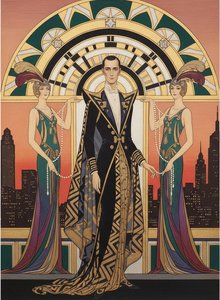 Erté: The Art Deco Visionary Who Defined Modern GlamourExplore the glamorous world of Erté, the 'Father of Art Deco'. Discover his iconic fashion illustrations, stunning sculptures & enduring le…
 Tři plátna, jeden příběh: Vliv volby na emocionální rezonanci umělecké interpretaceProzkoumejte hluboký vliv subjektivní interpretace na emocionální rezonanci uměleckých děl. Analýza klíčových konceptů a trendů 20. století…
 The Theatrical Elegance of Art Deco: The Line Work and Fashion Genius of ErtéDiscover the unparalleled elegance of Art Deco through the lens of Erté. Explore a masterclass in linear precision, theatrical costume desi…