
 Náhled
 Sdílet
 Sdílet
 Podrobnosti o díle

 Stáhnout
 Podobné položky
 Rentgenové snímky
 Slideshow
 Statistiky
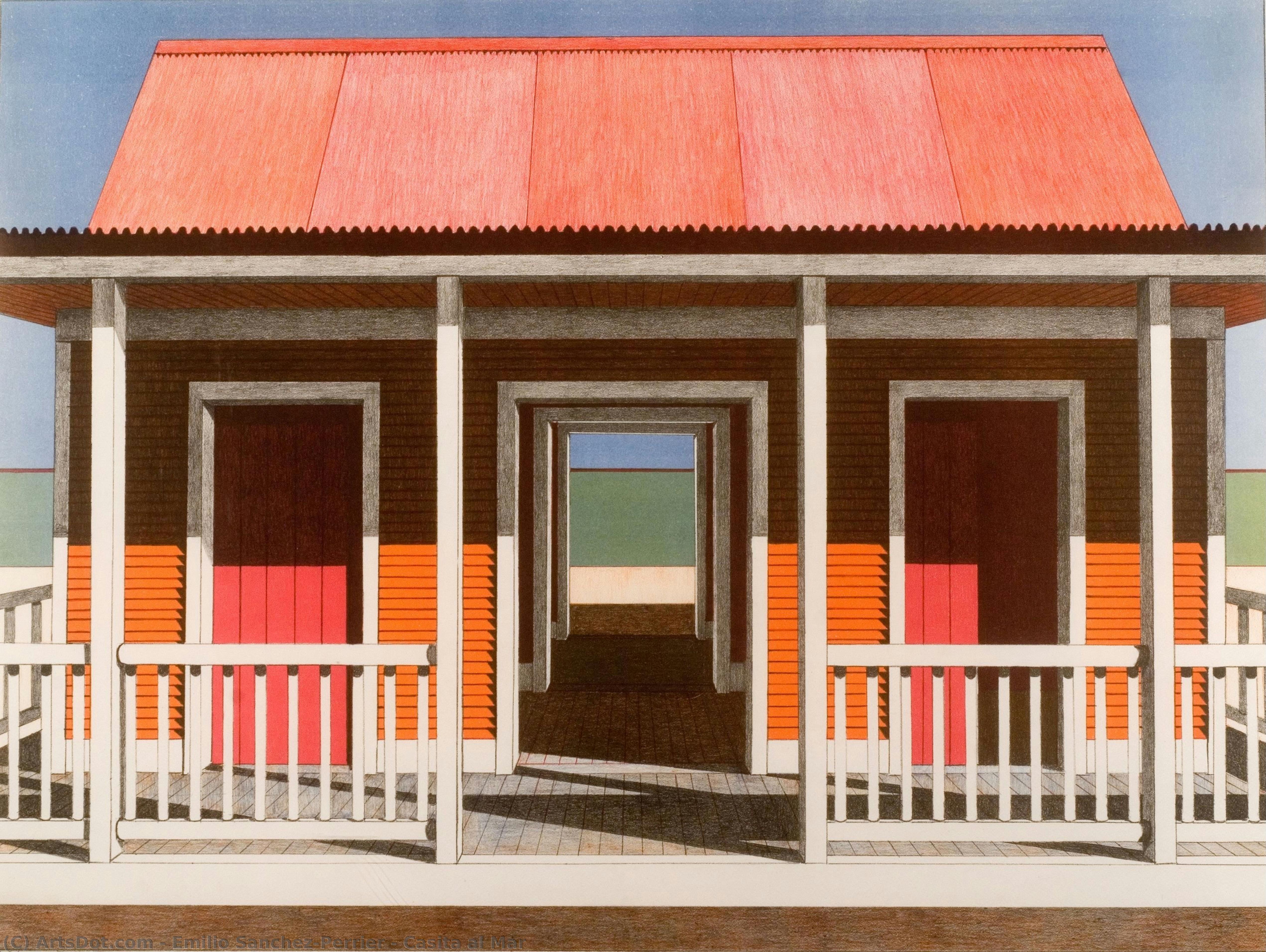
Casita al Mar


 Zobrazit více
Ručně malovaná olejová reprodukce
Ručně malovaná olejná barva na plátně ve vašem zvoleném rozměru i s rámem, vyrobená našimi umělci na zakázku. ( Přepnout na tisk Přepnout na digitální obraz)




P118B $10

P118H $10

P118W $10

P438Z $10

P508JH $12

P508YH $12

P805H $10

P805Z $10

P919BZ $10

P919G $10

P919XJ $10

P959ZH $10

P968JZ $12

W106C $8

W218G $10

W218JH $8

W218Y $10

W307PJ $10

W316G $10

W316PJ $8

W316Y $10

W398PJ $8

W4111J $10

W500HY $15

W500JH $15

W692G $12

W849H $8

W940BG $15

W953PJ $8




Vyberte si z našich přednastavených velikostí, které odpovídají původním proporcím díla.

Můžete zadat vlastní rozměry pro konkrétní rám nebo prostor. Pokud se vámi vybraná velikost neshoduje s proporcemi původního obrazu, dílo buď ořízneme, nebo jej doplníme ručně malovanými prvky. Před zahájením výroby vám bude zaslán digitální náhled ke schválení.
Upozorňujeme, že náhled na obrazovce neodpovídá skutečnému ořezu ani rozšíření. Pouze digitální náhled přesně zobrazí finální kompozici.
Ačkoliv je možné zvolit vlastní velikost, pro zachování původních proporcí doporučujeme vybrat rozměr z předdefinovaného seznamu.
Po přijetí objednávky vám tým OriginalUniqueArt.com zašle e-mail s pokyny a poskytne náhledovou verzi.
Celosvětová doprava () za 3–4 týdny namísto standardních 5 týdnů. (13 září). Bez kompromisů v kvalitě.

Zdarma celosvětová expresní doprava

Vysoce kvalitní lněné plátno

Kompletní přepravní pojištění

Záruka vrácení celního poplatku

Záruka přesného barevného shodu

100dená lhůta pro vrácení zboží (pouze při vadách)

100% garance vrácení peněz

Sleva při hromadné objednávce
 Skleněná varianta je dostupná pouze u rozměrů menších než 110 cm

Casita al Mar
Technika reprodukce
Rozměry reprodukce
-


Celková cena za výběr
$ 300
A Reverie in Red and Ochre: Exploring Emilio Sánchez Perrier’s “Casita al Mar”
Emilio Sánchez Perrier's "Casita al Mar" isn't merely a depiction of a coastal dwelling; it’s an immersion into memory, a carefully constructed echo of the architectural soul of Cuba. Painted in 1974, this artwork embodies the artist’s signature style – a deliberate reduction to essential forms, prioritizing the interplay of verticals and horizontals that create a powerfully linear composition. The painting's vibrant palette, dominated by rich reds and oranges punctuated with crisp white trim, immediately draws the eye, inviting contemplation of its geometric precision.
- Architectural Roots: Sánchez’s “casitas,” as he termed them, are deeply rooted in the nostalgic recollection of Cuban vernacular architecture. Carol Damian notes that these structures "are formed from memory of Cuban architecture," suggesting a profound connection to his homeland and its distinctive aesthetic.
- Geometric Harmony: The artist's training at the Art Students League in New York City, coupled with his fascination for color and shadow manipulation, resulted in compositions that are strikingly geometric and almost abstract. This deliberate approach elevates the humble house into a study of form and light.
- A Touch of Fortuny: Sánchez’s early mentorship with Mariano Fortuny proved pivotal. Fortuny's influence – characterized by a vibrant palette and meticulous attention to detail – is undeniably present in "Casita al Mar," contributing to the painting’s luminous quality and sophisticated technique.
Decoding the Symbolism of Space
"Casita al Mar" transcends a simple representation of a building; it's an exploration of domesticity, tranquility, and perhaps even a yearning for simpler times. The large open doorway acts as a portal, inviting the viewer into a space that feels both welcoming and slightly removed. The bench within the interior suggests a place for quiet reflection, while the chair near the entrance hints at moments of social connection. This carefully arranged composition speaks to the fundamental human need for shelter, comfort, and community.
- The Open Doorway: Symbolically, the open doorway represents opportunity, invitation, and a connection between the interior world and the expansive sea beyond.
- The Bench & Chair: These elements reinforce the theme of domesticity and relaxation, suggesting a space designed for respite and contemplation.
Technique and Artistic Vision
Sánchez Perrier’s mastery is evident in his precise rendering of form and light. The use of color is not haphazard; it's deliberately employed to create depth, volume, and a sense of atmosphere. The sharp contrasts between the warm reds and oranges and the cool white trim heighten the visual impact, drawing attention to the building’s architectural details. His technique reflects a meticulous approach honed through years of training and a deep understanding of artistic principles.
- Linear Emphasis: The dominant use of straight lines creates a sense of order and stability, reflecting the artist's deliberate control over composition.
- Color as Form: Sánchez Perrier skillfully uses color not just for decorative effect but as an integral element in defining form and creating spatial illusion.
A Legacy of Light and Memory
"Casita al Mar" stands as a testament to Emilio Sánchez Perrier’s artistic vision – a fusion of technical skill, architectural sensibility, and deeply personal nostalgia. Created during a period of significant change in his life, the painting offers a poignant glimpse into his enduring connection to Cuba and his ability to translate memory into a powerfully evocative work of art. This piece is more than just a beautiful image; it’s an invitation to step into a world of light, color, and timeless beauty.
Biografie umělce
A Life Painted in Light: The World of Emilio Sánchez Perrier
Emilio Sánchez Perrier, born in the vibrant heart of Seville in 1855, was an artist destined to capture the ephemeral beauty of light and atmosphere. His journey began not with a brush in hand, but amidst the precise workings of his father’s clockmaking shop. Yet, even within the meticulous world of gears and springs, a creative spirit stirred, leading him toward formal training at the School of Fine Arts in Seville and later, Madrid. These formative years laid a solid foundation, instilling in him a dedication to technique that would become a hallmark of his style. However, it was a pivotal encounter with Mariano Fortuny in Granada in 1871 that truly ignited his artistic vision. Fortuny’s influence – a vibrant palette and an acute attention to detail – became deeply embedded within Perrier's evolving aesthetic. This early mentorship proved crucial, shaping the direction of his career as he embraced landscape painting and watercolor with increasing passion.Parisian Horizons and Artistic Refinement
The allure of Paris beckoned in 1879, offering Sánchez Perrier a gateway to new artistic horizons. He immersed himself in the studios of Auguste Bolard, Jean-Léon Gérôme, and Félix Ziem, each master contributing uniquely to his development. Studying under these diverse influences broadened his perspective, solidifying his commitment to landscape painting while exposing him to varied approaches to composition and technique. The Barbizon school’s emphasis on direct observation of nature resonated deeply, as did the luminous quality found in Ziem's work. These Parisian experiences weren’t merely about acquiring skills; they were about absorbing a spirit – a dedication to capturing the fleeting moments of light and atmosphere that define a place. He painted *en plein air* around Fontainebleau and Barbizon, honing his ability to translate the natural world onto canvas with remarkable fidelity.Venice, Andalusia, and the Essence of Place
Sánchez Perrier’s artistic voice truly blossomed as he began to focus on specific locales – Venice and Andalusia. He became particularly celebrated for his evocative depictions of Venice, capturing not just its architectural grandeur but also its unique charm and romantic ambiance. His paintings transport viewers to the canals and palazzi, bathed in a soft, ethereal light. Simultaneously, he remained deeply connected to his Andalusian roots, portraying the landscapes and everyday life of southern Spain with equal skill and sensitivity. Works like *Triana* (1889) offer captivating glimpses into Seville’s neighborhoods, while *Bank of the Guadaira with boat* (c. 1890) exemplifies the serene beauty of the Andalusian countryside. His style is a compelling blend of realism and impressionistic sensibility; he doesn't merely record what he sees but evokes a feeling, an atmosphere that lingers in the mind long after viewing his work. He masterfully balanced detailed observation with a poetic interpretation of light and color.Legacy and Lasting Influence
Emilio Sánchez Perrier’s contributions to Spanish landscape painting are significant, though perhaps not as widely recognized as some of his contemporaries. His work reflects the artistic currents of the late 19th century – the influence of the Barbizon School, a touch of Orientalism gleaned from his Parisian studies, and a uniquely Spanish sensibility rooted in his Andalusian heritage. He successfully captured the essence of both Andalusian life and the allure of Venice, creating a body of work that continues to resonate with audiences today. His paintings offer a glimpse into a bygone era, demonstrating a remarkable talent for capturing not only physical beauty but also the spirit of a place. Even now, his works – like *Winter in Andalusia (poplars and sheep at Alcalá de Guadaira)* housed in the Museo Carmen Thyssen, Málaga – stand as testaments to his skill and vision. Sánchez Perrier passed away in 1907, leaving behind a legacy of evocative landscapes that continue to inspire and captivate art lovers worldwide. His paintings are not simply representations of places; they are invitations to experience them anew, through the eyes of an artist who understood the power of light, color, and atmosphere.
emilio sanchez-perrier
1855 - 1907 , Spain
Rychlé fakta
- Artistic Movement Or Style: Realism, Impressionism
- Artists Or Movements Influenced By This Artist:
- Barbizon School
- Orientalism
- Artists Who Influenced This Artist:
- Mariano Fortuny
- Auguste Bolard
- Jean-Léon Gérôme
- Félix Ziem
- Date Of Birth: 1855
- Date Of Death: 1907
- Full Name: Emilio Sánchez Perrier
- Nationality: Spanish
- Notable Artworks:
- Triana (1889)
- Fisher and son in boat (1907)
- Bank of the Guadaira
- Winter in Andalusia
- Place Of Birth: Seville, Spain
Související články

OriginalUniqueArt.com F.A.Q.: Elevate Your Decor with Premium Textured Giclée Prints
Discover the distinction of OriginalUniqueArt.com premium textured Giclée prints. Expertly crafted with archival 12-color pigments and museum-grade substrates, our prints offer unparalleled vividness for the discerning collector seeking luxury, durability, and timeless elegance.