

 Zobrazit v interiéru
 Odeslat
 Sdílet
 Podrobnosti
 Průvodce

 Stáhnout obrázek
 Podobné kousky
 Rentgenové snímky
 Slideshow
 Statistiky
Svatý Jeroným
 Olej na plátně
- Obrazová tvorba na stěnu
- Barokní revival
 1600
1600- – Raná modernita
 110.0 x 95.0 cm
 Frickova sbírka
 Přečíst si více
Giclée / Umělecký tisk
Giclée nebo plátěný tisk muzeální kvality s rychlou výrobou a širokou nabídkou povrchových úprav. ( Objednat ručně malovanou reprodukci Přepnout na digitální verzi obrazu)




P118B Kč10

P118H Kč10

P118W Kč10

P438Z Kč10

P508JH Kč12

P508YH Kč12

P805H Kč10

P805Z Kč10

P919BZ Kč10

P919G Kč10

P919XJ Kč10

P959ZH Kč10

P968JZ Kč12

W106C Kč8

W218G Kč10

W218JH Kč8

W218Y Kč10

W307PJ Kč10

W316G Kč10

W316PJ Kč8

W316Y Kč10

W398PJ Kč8

W4111J Kč10

W500HY Kč15

W500JH Kč15

W692G Kč12

W849H Kč8

W940BG Kč15

W953PJ Kč8




Vyberte si z našich přednastavených velikostí, které odpovídají původním proporcím díla.

Zadejte šířku a výšku, které potřebujete pro váš rám nebo stěnu. Tisk lze pouze oříznout, nikdy však nelze zvětšit obraz nad jeho původní rozměr, proto při výběru jiného formátu dochází ke ztrátě části obrazu. Před samotným tiskem vám zašleme digitální náhled k schválení. Obraz zobrazený na této stránce nenabízí skutečný výřez — ten uvidíte pouze v náhledu.
Celosvětové doručení () do 2 týdnů namísto standardních 4/5 týdnů. (19 říjen)

Zdarma celosvětová expresní doprava

Vysoce kvalitní lněné plátno

Úplné pojištění přepravy

Záruka vrácení celního poplatku

Záruka věrného barevného shodu

100dení lhůta pro vrácení zboží (pouze při vadách výroby)

100% garance vrácení peněz

Sleva při více objednávkách
 Skleněná varianta je dostupná pouze u rozměrů menších než 110 cm

Svatý Jeroným
Giclée / Umělecký tisk
Velikost reprodukce
-


Celková cena
Kč 1696
Vize spirituální intenzity
V tichých, zastíněných koutech dějin umění má málo postav tak hluboké vážnosti jako Svatý Jeroným od El Greca. Toto mistrovské dílo, vytvořené kolem roku 1600 v vášnivé atmosféře Toledo, je mnohem víc než jen pouhým portrétem světce; je to okno do samotné duše manierismu. Obraz zachycuje vzorného Otce církve, svatého Jeronýma, nikoliv jako vzdálenou ikonu, ale jako muže hluboce ponířeného tíhou vlastní zbožnosti. Jak sedí v přísném prostředí, jeho zchátralý obličej a dlouhé, vlající bílé vousy slouží jako svědectví o celém životě stráveném intelektuální přísnosti a duchovním hledání. Umělec mistrovsky využívá paletu sytých červených a jemných růžových tónů na temném, vágním pozadí, čímž zajišťuje, že každá vráska moudrosti i každý záhyb jeho učenského roucha vtahuje diváka do jeho soukromé chvíle kontemplace.
Technika, kterou alkalmazoval Doménikos Theotokópulos – řecký mistr známý jako El Greco – je prostě transformativní. Odkloněním se od vyvážených, harmonických ideálů vrcholné renesance přijímá El Greco expresivní deformace manierismu, aby vyvolal pocit božského neklidu. Díky brilantnímu využití chiaroscuro (světlozasu) rzezbí Jeronýmovu postavu dramatickým světlem a stínem, čímž vytváří trojrozměrnou přítomnost, která působí téměř hmatatelně. Prodloužené proporce a chvějivé, éterické světlo charakteristické pro jeho styl nereprezentují pouze fyzickou realitu; naznačují duchovní realitu, která přesahuje materiální svět. Pro náročné sběratele nebo interiérové designéry nabízí tento obraz dominantní ohnisko, které do jakéhokoli sofistikovaného prostoru vnáší pocit historické hloubky a dramatické elegance.
Průsečík historie a zbožnosti
Abychom pochopili emocionální rezonanci tohoto díla, musíme se podívat na ulice Toledo na přelomu 16. a 17. století. Bylo to město pulzující katolickou pobožností, místo, kde se hranice mezi pozemským a božským zdály tenké. El Greco, který prošel byzantskou tradicí Kréty až po živoucí ateliéry Benátek a Říma, dorazil do Španělska s jedinečným vizuálním jazykem schopným vyjádřit toto intenzivní náboženské živočišné pnutí. V obraze Svatý Jeroným vidíme vrchol této cesty. Svatý, proslulý překladem Bible do latiny, je zobrazen se svou knihou – samotným nástrojem díla svého života – symbolizující vůči mostu mezi lidským intelektem a božskou révlace.
Symbolika v rámci kompozice vybízí k dlouhodobému pohledu. Výrazný kontrast mezi živě červenou jeho pláště a temnými hloubkami pozadí slouží k izolaci tématu, což zrcadlí samotářskou povahu asketického života. Z plátna vyzařuje hmatatelný pocit osamělosti a intelektuálního hladu. Pro ty, kteří chtějí ozdobit pracovnu, knihovnu nebo formální galerii, nabízí vysoce kvalitní reprodukce tohoto díla víc než jen dekoraci; nabízí pozvání k zastavení, k zamyšlení a k setkání s jedním z nejvíce emocionálně nabitých období v dějinách západního umění. Je to kus, který než jen visí na stěně – on vdechuje život architektuře, která jej obklopuje.
Otázky a odpovědi
Jakou saturaci a intenzitu vykazuje „Svatý Jeroným“ od El Greco?
Dílo „Svatý Jeroným“ od El Greco je zachyceno s Jemné barvy saturací a Jednobarevné intenzitou.
V jakém roce bylo vytvořeno dílo „Svatý Jeroným“ od El Greco?
Dílo „Svatý Jeroným“ od El Greco vzniklo v roce 1600.
V jakém věku vytvořil/a El Greco dílo „Svatý Jeroným"?
El Greco vytvořil/a dílo „Svatý Jeroným“ v возрасте 59 let. Umělec se narodil/a v 1541 a dílo je datováno na 1600.
Biografie umělce
Doménikos Theotokópoulos, called El Greco
Doménikos Theotokópoulos, known to the world as El Greco – “the Greek” – was a painter whose life and work defied easy categorization. Born in Crete, Greece (1541), his artistic journey took him through Venice and Rome before finding its ultimate expression in the spiritual heartland of Spain: Toledo. El Greco wasn’t merely a product of these places; he synthesized their influences into something wholly unique, a style that anticipated the emotional intensity of Expressionism and the fragmented forms of Cubism centuries later. His early training within the Byzantine tradition instilled in him a meticulous attention to detail and a profound understanding of religious iconography. This foundation, however, wouldn’t confine him. He signed his works in Greek, often appending “Krḗs” – Cretan – as a proud declaration of his origins, even as he ventured into new artistic territories. The seeds of his distinctive style were sown not just in technique but also in the fervent religious climate of his homeland and the rich tapestry of Venetian art.Early Years: Venice and Rome
El Greco’s formative years were spent in Venice around 1567, where he immersed himself in the vibrant artistic scene dominated by titans like Titian, Tintoretto, and Veronese. He diligently studied their mastery of color, composition, and dramatic lighting—skills that would profoundly shape his future endeavors. Recognizing the importance of mastering Western Renaissance techniques, El Greco absorbed their influence, adapting them to his own distinctive vision. His Venetian training resulted in early works such as *Saint Sebastian* (1600), where anatomical detail blends seamlessly with an almost theatrical use of light and shadow—a testament to his ability to fuse Byzantine precision with Venetian dynamism. Subsequently, he traveled to Rome, encountering Mannerism – a style characterized by elongated forms, distorted perspectives, and sophisticated compositions. While he demonstrated considerable talent in the competitive Roman art world, El Greco struggled to gain widespread recognition due to stylistic differences from prevailing tastes of the time. Despite these challenges, his exposure to Mannerist principles undoubtedly broadened his artistic horizons.A Style Unlike Any Other
El Greco’s artistic style is instantly recognizable – and utterly captivating. His figures are often dramatically elongated, their bodies stretched and contorted in poses that convey a sense of spiritual ecstasy or profound anguish. This isn't mere stylistic affectation; it’s an attempt to depict the unseen, the emotional and spiritual realities that lie beyond the surface of things. He masterfully employed color – not necessarily realistic color, but vibrant, often unnatural hues – to heighten the emotional impact of his work. Dramatic lighting, with stark contrasts between light and shadow, creates a theatrical effect, drawing the viewer into the heart of the scene. *The Burial of the Count of Orgaz* (1586-1588), considered his masterpiece, exemplifies these qualities perfectly. The painting depicts a miraculous event – the descent of saints to bury a pious nobleman – with remarkable realism in the portrayal of contemporary figures juxtaposed against ethereal, elongated forms representing divine intervention. He blended Byzantine traditions with Italian Renaissance techniques, forging a style that was both innovative and deeply personal. His later works became increasingly mystical, reflecting his own profound religious beliefs and a growing detachment from conventional artistic norms.Toledo: The Flowering of Genius
El Greco’s relocation to Toledo in 1577 marked a pivotal moment in his artistic career—a move that coincided with the rise of Counter-Reformation fervor and provided him with an environment conducive to exploring his spiritual convictions. Here, he received significant commissions from churches and monasteries, securing patronage from influential figures like Diego de Castilla, Archbishop of Toledo. This support enabled him to produce some of his most celebrated paintings, including *Saint Martin and the Beggar* (1597/1599), *St. Peter in Tears* (1582), and *The Holy Family with Saint Anne and the Infant John the Baptist* (c. 1595/1600). These works demonstrate El Greco’s masterful command of composition, color, and expressive gesture—characteristics that solidified his reputation as one of Spain's foremost artists. Notably, *View of Toledo* (1596-1600) stands apart from his other paintings due to its landscape genre—a rare departure from religious iconography for El Greco—yet it captures the essence of Toledo with an almost visionary quality.Legacy and Rediscovery
El Greco’s artistic legacy extends far beyond his lifetime, influencing generations of artists who recognized him as a precursor to modern art movements like Expressionism and Cubism. His distinctive style—characterized by elongated figures, intense emotion, and dramatic lighting—resonated with artists seeking new ways to convey psychological depth and spiritual experience. Furthermore, El Greco’s pioneering use of color and perspective challenged conventional artistic norms, paving the way for groundbreaking innovations in visual art. Although largely overlooked by art historians during the 19th century, El Greco experienced a resurgence of interest in the 20th century thanks to the recognition of artists like Picasso and Braque who admired his stylistic originality. Today, El Greco is revered as one of Spain’s greatest painters—a visionary artist whose work continues to inspire awe and contemplation with its profound spiritual resonance and unparalleled artistic brilliance.
El Greco
1541 - 1614 , Greece
Rychlé informace
- Artistic Movement Or Style: Mannerism, Baroque
- Artists Or Movements Influenced By This Artist:
- Expressionism
- Cubism
- Artists Who Influenced This Artist:
- Titian
- Tintoretto
- Date Of Birth: 1541
- Date Of Death: 1614
- Full Name: Doménikos Theotokópoulos
- Nationality: Greek-Spanish
- Notable Artworks:
- Burial of the Count of Orgaz
- View of Toledo
- El Espolio
- St. Sebastian
- Place Of Birth: Crete, Greece
Související články

Rembrandt van Rijn: Top 25 mistrovských děl pro váš interiér | OriginalUniqueArt.cz
Prozkoumejte 25 nejlepších děl Rembrandta van Rijna – od portrétů po biblické scény. Objevte příběhy, techniky a inspiraci nizozemského baroka. Reprodukce obrazů pro váš interiér na OriginalUniqueArt.cz.

Georges Seurat: 25 mistrovských děl a revoluce bodové techniky | OriginalUniqueArt
Prozkoumejte 25 ikonických děl Georges Seurata – průkopníka impresionismu a bodové techniky. Objevte příběhy za slavnými obrazy, barevnou teorii a inspirujte se pro váš interiér s reprodukcemi nejvyšší kvality na OriginalUniqueArt.com.
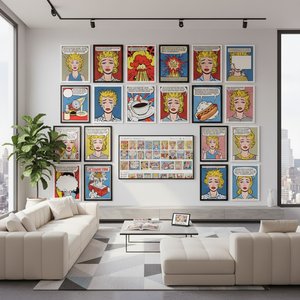
Roy Lichtenstein: Top 25 děl pop artu pro váš interiér | OriginalUniqueArt.cz
Prozkoumejte 25 ikonických děl Roye Lichtensteina – průkopníka pop artu. Obrazy s komiksovými motivy, výrazné barvy a unikátní technika ben-day dots. Najděte inspiraci pro váš interiér a kvalitní reprodukce na OriginalUniqueArt.cz! Prozkoumejte celou kolekci online.

El Greco: 25 mistrovských děl pro váš interiér | OriginalUniqueArt.com
Prozkoumejte 25 ikonických děl El Greco – španělského mistra renesance a baroka. Obdivujte jeho duchovní malby, portréty a unikátní styl na OriginalUniqueArt.com. Reprodukce obrazů pro váš interiér.
25 Mistrovských Děl Ermitáže: Umění pro Vaši Inspiraci | OriginalUniqueArt.cz
Prozkoumejte 25 ikonických děl z Ermitáže v Petrohradě! Obdivujte Rembrandta, Da Vinciho a další mistry. Historie umění, techniky a inspirace pro váš interiér. Reprodukce obrazů nejvyšší kvality na OriginalUniqueArt.com.


