

 Náhled v interiéru
 Sdílet
 Sdílet
 Podrobnosti o díle
 Průvodce

 Stáhnout
 Podobné položky
 Rentgenové snímky
 Slideshow
 Q&A
Q&A Statistiky
Pokutující Márie Magdalena
 Olej na plátně
- Obrazová tvorba na stěnu
- Pozdní renesanční manýrismus
 1590
1590- Renesance
 109.0 x 96.0 cm
 Cau Ferrat Museum
 Zobrazit více
Giclée / Umělecký tisk
Giclée nebo plátěný tisk muzeální kvality s rychlou výrobou a širokou nabídkou povrchových úprav. ( Koupit ručně malovaný obraz Přepnout na digitální obraz)




P118B Kč10

P118H Kč10

P118W Kč10

P438Z Kč10

P508JH Kč12

P508YH Kč12

P805H Kč10

P805Z Kč10

P919BZ Kč10

P919G Kč10

P919XJ Kč10

P959ZH Kč10

P968JZ Kč12

W106C Kč8

W218G Kč10

W218JH Kč8

W218Y Kč10

W307PJ Kč10

W316G Kč10

W316PJ Kč8

W316Y Kč10

W398PJ Kč8

W4111J Kč10

W500HY Kč15

W500JH Kč15

W692G Kč12

W849H Kč8

W940BG Kč15

W953PJ Kč8




Vyberte si z našich přednastavených velikostí, které odpovídají původním proporcím díla.

Zadejte šířku a výšku, které potřebujete pro váš rám nebo stěnu. Tisk lze pouze oříznout, nikdy však nelze zvětšit obraz nad jeho původní rozměr, proto při výběru jiného formátu dochází ke ztrátě části obrazu. Před samotným tiskem vám zašleme digitální náhled k schválení. Obraz zobrazený na této stránce nenabízí skutečný výřez — ten uvidíte pouze v náhledu.
Celosvětové doručení () do 2 týdnů namísto standardních 4/5 týdnů. (30 říjen)

Zdarma celosvětová expresní doprava

Vysoce kvalitní lněné plátno

Kompletní pojištění přepravy

Záruka vrácení celního poplatku

Záruka věrného barevného souladu

100dení lhůta pro vrácení zboží (pouze při vadách výroby)

100% záruka vrácení peněz

Sleva při více objednávkách
 Skleněná varianta je dostupná pouze u rozměrů menších než 110 cm

Pokutující Márie Magdalena
Giclée / Umělecký tisk
Rozměry reprodukce
-


Celková cena za vybrané možnosti reprodukcí
Kč 1738
Úvod do světa El Greca a díla Pokutující Márie Magdalena
El Greco (Doménikos Theotokopoulos), narozený na Kréta, byl řecký malíř, sochař a architekt španělské renesance. Je proslulý svým jedinečznym stylem, který v sobě spojuje prvky byzantského, italského i španělského umění. Jedno z jeho nejslavnějších děl, Pokutující Márie Magdalena, představuje výjimečný příklad jeho mistrovství v zachycování emocí a spirituality.Detailní pohled na Pokutující Marii Magdalenu
V letech kolem 1580–1585 vznikla Pokutující Márie Magdalena, olej na plátno o rozměrech přibližně 100 x 79 cm. Toto mistrovské dílo demonstruje inovativní styl El Greca a jeho schopnost vyjádřit hluboké city prostřednictvím práce s barvou, světlem a kompozicí.Styl a analýza
Pokutující Márie Magdalena je silnou reprezentací Marie Magdaleny v hlubokém stavu pokání. El Grecovy protáhlé postavy, dramatické osvětlení a živé barvy vytvářejí intenzivní emocionální atmosféru, která diváka vtahuje přímo do scény. Umělec využívá techniku chiaroscuro (silný kontrast mezi světlem a tmou), aby zvýraznil postavu Marie Magdaleny a učinil z ní ohnisko celkové kompozice. Malba je charakteristická svým dynamickým pohybem, kdy se tělo Marie Magdaleny v spirále kroutí, jak se odvrací od pozemských pokušení směrem k životu zasvěcenému Bohu. Její výraz tváře a držení těla vyjadřují hluboký pocit lítosti a introspekce, což vybízí diváka k zamyšlení nad jeho vlastní duchovní cestou.Umístění a význam
Původně vytvořená pro soukromou devoci, Pokutující Márie Magdalena je dnes součástí trvalé sbírky Muzea umění Nelson-Atkins v Kansas City, Missouri. Tento obraz je považován za jedno z nejdůležitějším děl El Greca a slouží jako svědectví o jeho uměleckém géniu a schopnosti předávat komplexní emoce skrze vizuální umění.Závěr
Závěrem lze říci, že Pokutující Márie Magdalena od El Greca je výjimečným příkladem renesančního umění, který odhaluje unikátní styl umělce a jeho mistrovství v zachycování emocí i duchovna. Tento obraz slouží jako mocné připomínání lidské schopnosti transformace a odkupu, což z něj činí dílo, které musí vidět každý, kdo se zajímá o umění, historii nebo spiritualitu.Objevte další mistrovská díla na OriginalUniqueArt.com
Na OriginalUniqueArt.com můžete prozkoumat širokou škálu ručně vyráběných reprodukcí olejových obrazů, včetně děl El Greca a dalších slavných umělců. Náš tým odborných řemeslníků se věnuje oživování těchto mistrovských děl s pečlivou pozorností k detailu a nepřekonatelnou zručností.- Prozkoumejte naši kolekci: Prohlédněte si náš rozsáhlý katalog reprodukcí olejných obrazů, který obsahuje díla z různých období a stylů.
- Přizpůsobte si svou objednávku: Vyberte si velikost, rám a další možnosti přizpůsobení, aby vaše umělecké dílo bylo skutečně jedinečné.
- Zažijte výjimečnou kvalitu: Náš tým odborných řemeslníků používá pouze ty nejlepší materiály a techniky k vytváření úchvatných reprodukcí, které zachycují podstatu originálních děl.
Otázky a odpovědi
Patří dílo „Pokutující Márie Magdalena“ mezi slavná děl směru Pozdní renesanční manýrismus?
Dílo "Pokutující Márie Magdalena" je v katalogu hodnoceno jako Ikonické mezi díly z období Pozdní renesanční manýrismus.
Kdo vytvořil dílo "Pokutující Márie Magdalena" a v jakém roce?
Autorem díla „Pokutující Márie Magdalena“ je El Greco a vzniklo v roce 1590.
Jak se v díle "Pokutující Márie Magdalena" propojují kontrast a harmonie?
Barevná analýza díla „Pokutující Márie Magdalena“ od El Greco zachycuje Výrazný kontrast a Nesourodá paleta barev harmonii.
Biografie umělce
Doménikos Theotokópoulos, called El Greco
Doménikos Theotokópoulos, known to the world as El Greco – “the Greek” – was a painter whose life and work defied easy categorization. Born in Crete, Greece (1541), his artistic journey took him through Venice and Rome before finding its ultimate expression in the spiritual heartland of Spain: Toledo. El Greco wasn’t merely a product of these places; he synthesized their influences into something wholly unique, a style that anticipated the emotional intensity of Expressionism and the fragmented forms of Cubism centuries later. His early training within the Byzantine tradition instilled in him a meticulous attention to detail and a profound understanding of religious iconography. This foundation, however, wouldn’t confine him. He signed his works in Greek, often appending “Krḗs” – Cretan – as a proud declaration of his origins, even as he ventured into new artistic territories. The seeds of his distinctive style were sown not just in technique but also in the fervent religious climate of his homeland and the rich tapestry of Venetian art.Early Years: Venice and Rome
El Greco’s formative years were spent in Venice around 1567, where he immersed himself in the vibrant artistic scene dominated by titans like Titian, Tintoretto, and Veronese. He diligently studied their mastery of color, composition, and dramatic lighting—skills that would profoundly shape his future endeavors. Recognizing the importance of mastering Western Renaissance techniques, El Greco absorbed their influence, adapting them to his own distinctive vision. His Venetian training resulted in early works such as *Saint Sebastian* (1600), where anatomical detail blends seamlessly with an almost theatrical use of light and shadow—a testament to his ability to fuse Byzantine precision with Venetian dynamism. Subsequently, he traveled to Rome, encountering Mannerism – a style characterized by elongated forms, distorted perspectives, and sophisticated compositions. While he demonstrated considerable talent in the competitive Roman art world, El Greco struggled to gain widespread recognition due to stylistic differences from prevailing tastes of the time. Despite these challenges, his exposure to Mannerist principles undoubtedly broadened his artistic horizons.A Style Unlike Any Other
El Greco’s artistic style is instantly recognizable – and utterly captivating. His figures are often dramatically elongated, their bodies stretched and contorted in poses that convey a sense of spiritual ecstasy or profound anguish. This isn't mere stylistic affectation; it’s an attempt to depict the unseen, the emotional and spiritual realities that lie beyond the surface of things. He masterfully employed color – not necessarily realistic color, but vibrant, often unnatural hues – to heighten the emotional impact of his work. Dramatic lighting, with stark contrasts between light and shadow, creates a theatrical effect, drawing the viewer into the heart of the scene. *The Burial of the Count of Orgaz* (1586-1588), considered his masterpiece, exemplifies these qualities perfectly. The painting depicts a miraculous event – the descent of saints to bury a pious nobleman – with remarkable realism in the portrayal of contemporary figures juxtaposed against ethereal, elongated forms representing divine intervention. He blended Byzantine traditions with Italian Renaissance techniques, forging a style that was both innovative and deeply personal. His later works became increasingly mystical, reflecting his own profound religious beliefs and a growing detachment from conventional artistic norms.Toledo: The Flowering of Genius
El Greco’s relocation to Toledo in 1577 marked a pivotal moment in his artistic career—a move that coincided with the rise of Counter-Reformation fervor and provided him with an environment conducive to exploring his spiritual convictions. Here, he received significant commissions from churches and monasteries, securing patronage from influential figures like Diego de Castilla, Archbishop of Toledo. This support enabled him to produce some of his most celebrated paintings, including *Saint Martin and the Beggar* (1597/1599), *St. Peter in Tears* (1582), and *The Holy Family with Saint Anne and the Infant John the Baptist* (c. 1595/1600). These works demonstrate El Greco’s masterful command of composition, color, and expressive gesture—characteristics that solidified his reputation as one of Spain's foremost artists. Notably, *View of Toledo* (1596-1600) stands apart from his other paintings due to its landscape genre—a rare departure from religious iconography for El Greco—yet it captures the essence of Toledo with an almost visionary quality.Legacy and Rediscovery
El Greco’s artistic legacy extends far beyond his lifetime, influencing generations of artists who recognized him as a precursor to modern art movements like Expressionism and Cubism. His distinctive style—characterized by elongated figures, intense emotion, and dramatic lighting—resonated with artists seeking new ways to convey psychological depth and spiritual experience. Furthermore, El Greco’s pioneering use of color and perspective challenged conventional artistic norms, paving the way for groundbreaking innovations in visual art. Although largely overlooked by art historians during the 19th century, El Greco experienced a resurgence of interest in the 20th century thanks to the recognition of artists like Picasso and Braque who admired his stylistic originality. Today, El Greco is revered as one of Spain’s greatest painters—a visionary artist whose work continues to inspire awe and contemplation with its profound spiritual resonance and unparalleled artistic brilliance.
El Greco
1541 - 1614 , Řecko
Rychlé informace o umělci
- Artistic Movement Or Style: Mannerismus, Baroko
- Artists Who Influenced This Artist:
- Titian
- Tintoretto
- Date Of Birth: 1541
- Full Name: Doménikos Theotokópoulos
- Nationality: Řek
- Notable Artworks:
- The Burial of the Count of Orgaz
- View of Toledo
- El Espolio
- St. Sebastian
- Place Of Birth: Crete, Greece
Související články

El Greco: 25 mistrovských děl pro váš interiér | OriginalUniqueArt.com
Prozkoumejte 25 ikonických děl El Greco – španělského mistra renesance a baroka. Obdivujte jeho duchovní malby, portréty a unikátní styl na OriginalUniqueArt.com. Reprodukce obrazů pro váš interiér.

Top 25 uměleckých děl z Museo del Prado: Velázquez, Goya a mistři španělského baroka | OriginalUniqueArt.com
Prozkoumejte 25 ikonických děl z Museo del Prado v Madridu! Obdivujte Velázqueze, Goyu a El Greca. Historie umění, techniky a inspirace pro váš interiér. Reprodukce obrazů nejvyšší kvality na OriginalUniqueArt.com.
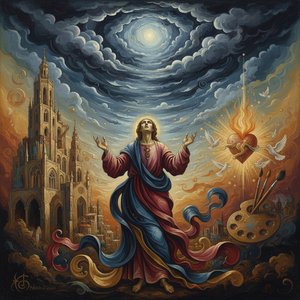
El Greco: Spirituality, Style & Innovation – A Renaissance Master's Legacy
Explore the captivating world of El Greco! Discover his unique style, spiritual intensity, and lasting impact on art history. Learn about this Renaissance master's life, iconic paintings & legacy.
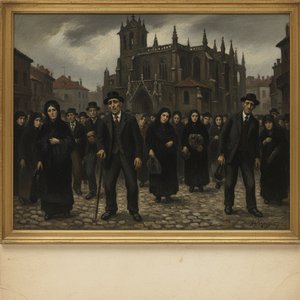
José Gutiérrez Solana: A Chronicle of Spanish Society Through Expressionist Vision
Explore the captivating world of José Gutiérrez Solana, a pivotal Spanish Expressionist painter. Discover his haunting depictions of early 20th-century Spain, influenced by Goya & El Greco. Learn about his key works and lasting legacy.
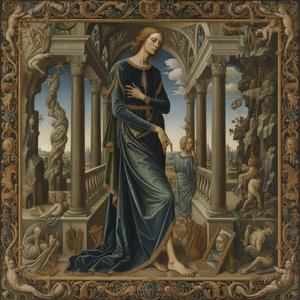
Mannerism Explained: The Dramatic Evolution of Renaissance Art and the Rise of El Greco
Explore the dramatic evolution of Mannerism from High Renaissance perfection to El Greco's spiritual intensity. Discover the history, techniques, and enduring legacy of this transformative era through an expert art-history lens.


