1917
Preview slide, Cleopatra (Edward Steichen, 1917)
Edward Steichen (1900–1973) vytvořil dílo Preview slide, Cleopatra. Pochází z roku 1917. Je vyrobeno z Photography. Nachází se v Museum of the Moving Image v Astoria, Spojené státy americké.
- 1917
- Photography
- Museum of the Moving Image, Astoria

 Ručně malovaná olejná reprodukce
 Sdílet
 Sdílet
 Informační list


 Stáhnout
 Podobné položky
 Slideshow
 Otázky a odpovědi

 Statistiky
Preview slide, Cleopatra v kostce
- Název díla
- Preview slide, Cleopatra
- Autor
- Edward Steichen (1900–1973)
- Rok narození umělce
- Bivange, Lucembursko
- Datum vytvoření
- 1917
- Technika
- Photography
- Kde jej vidět
- Museum of the Moving Image, Astoria, Spojené státy americké
- Období
- Modern
- Motiv
- woman, headdress, jewelry, yellow text, black background, profile portrait
Co przedstawuje dílo Preview slide, Cleopatra?
A Cinematic Vision of Antiquity
In this mesmerizing preview slide for the 1917 production of Cleopatra, we are transported not merely to an ancient era, but to the dawn of cinematic spectacle. The artwork serves as a breathtaking window into the early 20th-century obsession with grand, "super-productions" that sought to recreate the opulence of Egypt through the lens of Hollywood's burgeoning golden age. At its heart lies the magnetic presence of Theda Bara, the quintessential "vamp" of the silent era, whose portrayal of the Egyptian queen captures a sense of dangerous allure and regal command. The composition is a masterful arrangement of dramatic portraits, where the central figure of Cleopatra, adorned in an intricate headdress and shimmering jewelry, acts as the gravitational pull for the viewer's gaze. Flanking her are secondary figures that hint at the complex web of political intrigue and passion that defines the legend, creating a visual tapestry that promises both intimacy and epic scale.
The aesthetic language of this piece is deeply rooted in the theatricality of the era, utilizing bold, high-contrast elements to command attention. The use of large, ornate yellow typography against a deep black void creates a striking chiaroscuro effect, reminiscent of the dramatic lighting found in stage plays of the period. This interplay of light and shadow does more than just provide legibility; it imbues the poster with a sense of mystery and nocturnal grandeur. The intricate details—from the delicate feathers on the side profiles to the heavy, draped fabrics of the central costume—demonstrate a commitment to texture and tactile realism that was essential in making silent film marketing feel tangible and immersive to an audience far removed from the actual Nile.
The Artistry of Edward Steichen
While this piece functions as a promotional artifact, it carries the unmistakable sophisticated touch of Edward Steichen. A figure who transcended simple categorization, Steichen was a pioneer whose life bridged the worlds of fine art photography, painting, and fashion. His ability to manipulate light and shadow—a skill honed during his formative years in both Europe and America—is evident in the way this composition breathes life into the shadows. The piece embodies the transition from traditional pictorialism to a more modern, editorial style that would later define his legendary work for Vogue and Vanity Fair. For the collector, owning a reproduction of such a work is not merely about possessing a vintage image; it is about embracing a pivotal moment in visual history where photography began to capture the very essence of glamour and myth.
A Sophisticated Statement for Modern Interiors
For the discerning collector or interior designer, this piece offers much more than mere nostalgia; it is a sophisticated statement of cultural history. The high-contrast palette of deep blacks and radiant yellows allows it to serve as a powerful focal point in a variety of contemporary settings. Whether placed in a minimalist gallery-style room or integrated into a richly textured, maximalist study, the artwork brings an air of cinematic drama and historical depth. It invites conversation, acting as a bridge between the ancient legends of Egypt and the modern magic of the silver screen. To display this work is to celebrate the enduring power of storytelling and the timeless allure of the legendary Cleopatra.
Ve kterém muzeu se nachází Preview slide, Cleopatra?
Museum of the Moving Image
Astoria, Spojené státy americké
Brána do světa pixelů: Filmová duše Astorii V srdci pulzující čtvrti Astoria v Queensu stojí Museum of the Moving Image jako jedinečné, fascinující křižiště, kde se snoubí umění, technologie a vyprávění příběhů. Je mnohem víc než pouhým úložištěm artefaktů; je to pohlcující zážitek, který dýchá samotnou esencí moderního života. Muzeum, sídlící v historických zdech Kaufman Astoria Studios – památníku, jehož prostory kdysi rezonovaly tvůrčí energií zlaté éry Hollywoodu – samo o sobě slouží jako živé svědectví filmové historie.
Vysokorozlišené fotografie díla Preview slide, Cleopatra

Protected by copyright: these files are for personal reference, not a licence to republish.
Edward Steichen, Preview slide, Cleopatra (1917), Museum of the Moving Image.
Odpovědi na otázky k dílu Preview slide, Cleopatra
Kde je dnes možné vidět dílo „Preview slide, Cleopatra“ od Edward Steichen?
Dílo „Preview slide, Cleopatra“ od Edward Steichen je vystaveno v instituci Museum of the Moving Image, Astoria, Spojené státy americké. Uvedené muzeum se vztahuje k originálu, nikoliv k reprodukcím.
V jakém roce vzniklo dílo "Preview slide, Cleopatra"?
Dílo „Preview slide, Cleopatra“ od Edward Steichen vzniklo v roce 1917.
Jakou technikou je vytvořeno dílo "Preview slide, Cleopatra"?
Edward Steichen pro dílo „Preview slide, Cleopatra“ použil/a techniku Photography. Tato technika definuje materiální podstatu originálního díla.
Jaká témata se objevují v díle „Preview slide, Cleopatra“ od Edward Steichen?
Témata obsažená v díle „Preview slide, Cleopatra“ od Edward Steichen zahrnují woman, headdress, jewelry, yellow text, black background, profile portrait, feathers. Tato témata společně shrnují obsah celého uměleckého díla.
Je dílo „Preview slide, Cleopatra“ volné z autorských práv?
Stav autorských práv pro dílo „Preview slide, Cleopatra“ od Edward Steichen: toto dílo spadá do stále chráněno autorským právem. To určuje, zda lze volně vytvářet reprodukce tohoto obrazu.
Kdo vytvořil "Preview slide, Cleopatra"?
Dílo "Preview slide, Cleopatra" vytvořil/a Edward Steichen. Informace na této stránce popisují originální dílo umělce Edward Steichen.
V jakém věku vytvořil/a Edward Steichen dílo „Preview slide, Cleopatra"?
Při vzniku díla „Preview slide, Cleopatra“ v roce 1917 bylo umělcům Edward Steichen (narozenému/é v 1900) 17 let.
Jak lze vysvětlit situaci s autorskými právy u díla „Preview slide, Cleopatra“ od Edward Steichen?
Dílo „Preview slide, Cleopatra“ od Edward Steichen spadá do volného užívání (stále chráněno autorským právem). Autorské právo vyprší po určité době od úmrtí umělce, ke kterému došlo v roce 1973.
Nachází se dílo „Preview slide, Cleopatra“ od Edward Steichen v zemi původu umělce?
Ne – dílo se nachází v zahraničí. Edward Steichen se narodil(a) v Lucembursko, zatímco originál díla „Preview slide, Cleopatra“ je uchováván v muzeu v Spojené státy americké.
O umělci, Edward Steichen

1900–1973, Lucembursko
Edward Steichen
A Life Bridging Worlds: The Artistic Odyssey of Edward Steichen Edward Steichen, later known as Edward Jean Steichen, was a figure who transcended simple categorization. Born in 1879 in the small village of Bivange, Luxembourg, his life became an extraordinary journey from European roots to becoming one of America’s most influential artists – not merely as a photographer, but as a painter, curator, and visionary who reshaped how we perceive visual culture. The early years were marked by a significant relocation; in 1881, the Steichen family emigrated to Hancock, Michigan, seeking new opportunities. This move instilled in young Edward a sense of displacement and perhaps, a heightened sensitivity to observation – qualities that would profoundly shape his artistic vision.
O umělci Edward Steichen Významná díla umělce Edward Steichen
Také od autora Edward Steichen
 Le Tournesol (The Sunflower)1920
 Behind-the-scenes photograph, Paying the Piper1921
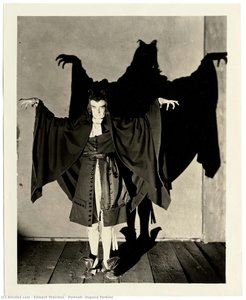 Portrait, Osgood Perkins1923
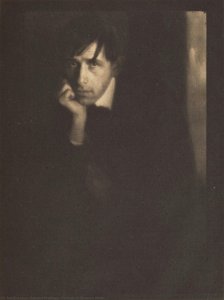 Portrait of Clarence White1905
Eseje k tématu Preview slide, Cleopatra
 Decoding Baroque Grandeur: A Masterclass in Drama, Movement, and Emotion in 17th-Century ArtExplore the breathtaking drama of 17th-century Baroque art. Discover how masters used chiaroscuro, movement, and intense emotion to create …
 25 Masterpieces by Amedeo Modigliani: The Soul of Modern PortraitureExplore 25 iconic Modigliani masterpieces and their soulful stories. Discover the full collection online at OriginalUniqueArt.com.
 The Photographic Lens as Fine Art: Tracing the Evolution of Fashion Imagery from Pictorialism to the Avant-GardeTrace the evolution of fashion photography from Pictorialism to the avant-garde. Explore this visual journey through art history now.