1923
Lobby card, Java Head (Edward Steichen, 1923)
Edward Steichen (1900–1973) vytvořil dílo Lobby card, Java Head. Pochází z roku 1923. Je vyrobeno z Print. Nachází se v Museum of the Moving Image v Astoria, Spojené státy americké.
- 1923
- Museum of the Moving Image, Astoria

 Náhled v interiéru

 Ručně malovaná olejná reprodukce
 Sdílet
 Sdílet
 Informační list


 Stáhnout
 Podobné položky
 Rentgenové snímky
 Slideshow
 Otázky a odpovědi

 Statistiky
Lobby card, Java Head v kostce
- Název díla
- Lobby card, Java Head
- Autor
- Edward Steichen (1900–1973)
- Rok narození umělce
- Bivange, Lucembursko
- Datum vytvoření
- 1923
- Technika
- Kde jej vidět
- Museum of the Moving Image, Astoria, Spojené státy americké
- Období
- Early Modern
- Motiv
- movie poster, vintage art, lobby card, indian culture, nautical theme, drama scene
Co przedstawuje dílo Lobby card, Java Head?
A Glimpse into Cinematic Drama: The Allure of the Lobby Card
This evocative lobby card for "Java Head," dating back to 1923, transports us directly into the vibrant, dramatic heart of early cinema. It is more than just a promotional piece; it is a carefully constructed tableau vivant, capturing the charged atmosphere that defined silent film epics. The composition immediately draws the eye to the intense interaction between the two central figures. On the left, the gentleman, clad in the formal attire of the era—a suit and tie—leans into the scene with an air of grave seriousness, his posture suggesting a pivotal moment of revelation or confrontation. His gaze seems fixed upon the woman, anchoring the narrative tension.
The Symbolism of Culture and Mystery
The woman on the right introduces layers of exotic mystery to this dramatic exchange. Her adornment, featuring what appears to be elaborate traditional Indian jewelry, immediately suggests a cross-cultural narrative—a common trope in early Hollywood melodramas that allowed for rich visual storytelling. Her head is turned slightly away from the viewer, lending her an air of enigmatic contemplation; she seems caught between the man's intensity and some internal deliberation. The background reinforces this sense of journey and scope with its stylized depiction of a ship upon the ocean. This nautical element hints at themes of passage, separation, or perhaps even escape, grounding the personal drama within a grander, sweeping adventure.
Technique and Vintage Allure
The aesthetic quality of this piece is deeply rooted in the illustrative traditions of the early 20th century. The color palette—dominated by rich blues, warm yellows, and deep reds—is characteristic of period printing techniques, lending the entire image a beautiful patina of age that collectors so adore. While the original medium was likely lithography or high-quality printmaking for theatrical display, its reproduction offers us the chance to own this specific visual language. The overall style is illustrative yet highly polished, embodying the grand spectacle promised by "A Paramount Picture."
Emotional Resonance for the Modern Collector
For the discerning collector or interior designer, this artwork serves as a potent piece of decorative storytelling. It doesn't merely hang on a wall; it narrates a moment suspended in time—a breath held just before the climax. The blend of formal Western attire with richly detailed Eastern costume creates an immediate visual dialogue, sparking conversation and contemplation within any sophisticated space. Owning this reproduction allows one to curate an environment steeped in cinematic romance and historical grandeur, making it a captivating focal point that speaks volumes about an appreciation for art history and dramatic flair.
Ve kterém muzeu se nachází Lobby card, Java Head?
Museum of the Moving Image
Astoria, Spojené státy americké
Brána do světa pixelů: Filmová duše Astorii V srdci pulzující čtvrti Astoria v Queensu stojí Museum of the Moving Image jako jedinečné, fascinující křižiště, kde se snoubí umění, technologie a vyprávění příběhů. Je mnohem víc než pouhým úložištěm artefaktů; je to pohlcující zážitek, který dýchá samotnou esencí moderního života. Muzeum, sídlící v historických zdech Kaufman Astoria Studios – památníku, jehož prostory kdysi rezonovaly tvůrčí energií zlaté éry Hollywoodu – samo o sobě slouží jako živé svědectví filmové historie.
Vysokorozlišené fotografie díla Lobby card, Java Head

Chráněno autorským právem: obrázek je uveden pouze pro ilustrační účely.
Další velikosti, výřezy a citace →Edward Steichen, Lobby card, Java Head (1923), Museum of the Moving Image.
Odpovědi na otázky k dílu Lobby card, Java Head
Kde mohu vidět originál díla „Lobby card, Java Head“ od Edward Steichen?
Originál díla „Lobby card, Java Head“ si můžete prohlédnout v instituci Museum of the Moving Image, Astoria, Spojené státy americké.
V jakém roce bylo vytvořeno dílo „Lobby card, Java Head“ od Edward Steichen?
Vznik díla „Lobby card, Java Head“ od Edward Steichen se datuje do roku 1923.
Jakou technikou je vytvořeno dílo "Lobby card, Java Head"?
Technikou díla „Lobby card, Java Head“ od Edward Steichen je Print. Reprodukce mají za cíl věrně zachytit vzhled této techniky.
Co zachycuje dílo "Lobby card, Java Head"?
Motivy díla „Lobby card, Java Head“ jsou movie poster, vintage art, lobby card, indian culture, nautical theme, drama scene, silent film.
Patří „Lobby card, Java Head“ od Edward Steichen do volného tisku?
Dílo „Lobby card, Java Head“ od Edward Steichen spadá do stále chráněno autorským právem. Tento stav určuje pravidla pro reprodukci obrazu tohoto díla.
K kterému umělci je dílo "Lobby card, Java Head" připisováno?
Dílo "Lobby card, Java Head" se připisuje autorovi Edward Steichen.
Kolik let bylo Edward Steichen, když v roce 1923 vytvořil(a) dílo „Lobby card, Java Head“?
Edward Steichen vytvořil/a dílo „Lobby card, Java Head“ v возрасте 23 let. Umělec se narodil/a v 1900 a dílo je datováno na 1923.
Proč má dílo „Lobby card, Java Head“ právě takový autorský status?
Dílo „Lobby card, Java Head“ od Edward Steichen spadá do volného užívání (stále chráněno autorským právem). Autorské právo vyprší po určité době od úmrtí umělce, ke kterému došlo v roce 1973.
Nachází se dílo "Lobby card, Java Head" v zemi svého autora?
Ne – dílo se nachází v zahraničí. Edward Steichen se narodil(a) v Lucembursko, zatímco originál díla „Lobby card, Java Head“ je uchováván v muzeu v Spojené státy americké.
O umělci, Edward Steichen

1900–1973, Lucembursko
Edward Steichen
A Life Bridging Worlds: The Artistic Odyssey of Edward Steichen Edward Steichen, later known as Edward Jean Steichen, was a figure who transcended simple categorization. Born in 1879 in the small village of Bivange, Luxembourg, his life became an extraordinary journey from European roots to becoming one of America’s most influential artists – not merely as a photographer, but as a painter, curator, and visionary who reshaped how we perceive visual culture. The early years were marked by a significant relocation; in 1881, the Steichen family emigrated to Hancock, Michigan, seeking new opportunities. This move instilled in young Edward a sense of displacement and perhaps, a heightened sensitivity to observation – qualities that would profoundly shape his artistic vision.
O umělci Edward Steichen Významná díla umělce Edward Steichen
Také od autora Edward Steichen
 Le Tournesol (The Sunflower)1920
 Behind-the-scenes photograph, Paying the Piper1921
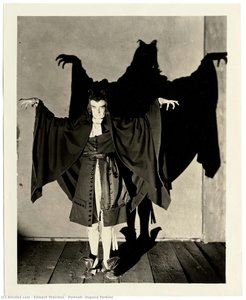 Portrait, Osgood Perkins1923
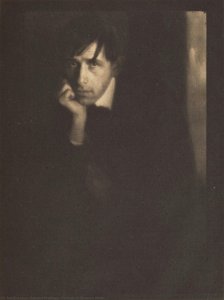 Portrait of Clarence White1905
Eseje k tématu Lobby card, Java Head
 Pictorialism: A Search for Artistic Photography's Soul – Aesthetics, Techniques & LegacyExplore the captivating world of Pictorialism – a pivotal movement that transformed photography into fine art. Discover key artists like St…
 Crowns of Creativity: A Visual Journey Through History's Most Iconic Headdresses and Artful AdornmentsEmbark on a visual journey through history's most stunning headdresses. From royal crowns to sacred feathers, explore the artistry of iconi…
 25 Must-See Masterpieces at the Smithsonian American Art MuseumExplore 25 iconic works from the Smithsonian American Art Museum. From Hopper to O'Keeffe, find masterpieces on OriginalUniqueArt.com.