
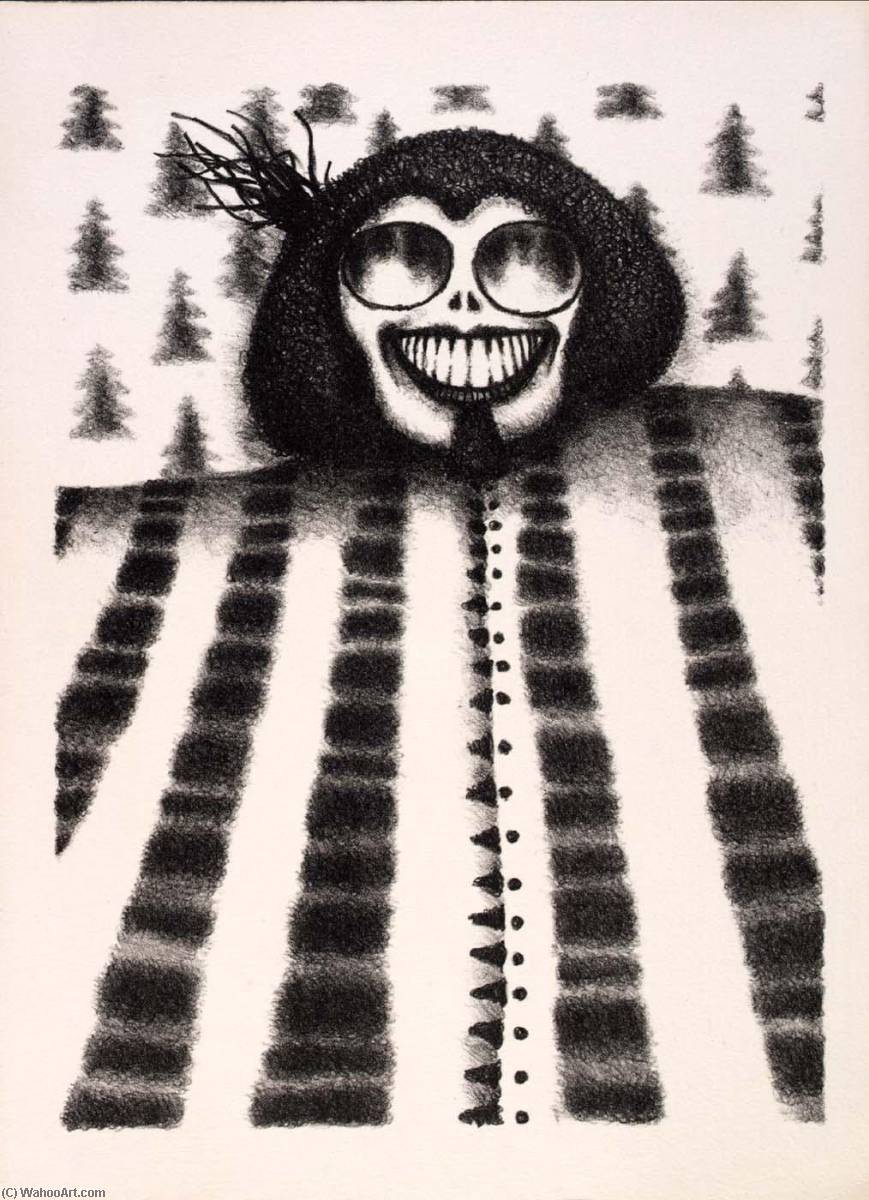
 Náhled
 Sdílet
 Sdílet
 Podrobnosti o díle

 Stáhnout
 Podobné položky
 Rentgenové snímky
 Slideshow
 Statistiky
Untitled
 1976
1976 24.0 x 18.0 cm
 Zobrazit více
Giclée / Umělecký tisk
Giclée nebo plátěný tisk muzeální kvality s rychlou výrobou a flexibilními možnostmi povrchové úpravy. ( Koupit ručně malovaný obraz Přepnout na digitální obraz)




































Vyberte si z našich přednastavených velikostí, které odpovídají původním proporcím díla.

Můžete zadat vlastní rozměry tak, aby výtvor odpovídal konkrétnímu rámu nebo prostoru. Pokud zvolená velikost nebude odpovídat poměru stran původního obrazu, dílo buď ořížeme, nebo obraz rozšíříme pomocí zrcadlového efektu či jednobarevného okraje. Před zahájením výroby vám bude zaslán digitální náhled k schválení.
Mějte prosím na paměti, že náhled na obrazovce neodráží skutečné oříznutí nebo rozšíření. Pouze digitální náhled přesně zobrazí finální kompozici.
Ačkoliv jsou k dispozici i vlastní rozměry, pro zachování původních proporcí doporučujeme vybrat si rozměr z předdefinovaného seznamu.
Celosvětové doručení () do 2 týdnů namísto standardních 4/5 týdnů. (13 září)

Zdarma celosvětová expresní doprava

Vysoce kvalitní lněné plátno

Kompletní přepravní pojištění

Záruka vrácení celního poplatku

Záruka přesného barevného shodu

100dená lhůta pro vrácení zboží (pouze při vadách)

100% garance vrácení peněz

Sleva při hromadné objednávce
 Skleněná varianta je dostupná pouze u rozměrů menších než 110 cm

Untitled
Giclée / Umělecký tisk
Rozměry reprodukce
-


Celková cena za výběr
$ 80
Biografie umělce
A Vision of the American Psyche: The Life and Art of Edward Paschke
Edward Paschke, born in Chicago in 1939 and passing away in 2004, was a pivotal figure in the development of contemporary figurative painting. He wasn’t interested in grand narratives or sweeping historical statements; instead, he focused his attention on the often-overlooked moments of everyday life, imbuing them with a haunting psychological depth that resonated deeply with viewers and continues to captivate audiences today. Paschke's artistic journey began with studies at the Art Institute of Chicago, where he initially explored abstract expressionism, but quickly found himself drawn towards a more representational style—one that allowed him to directly engage with the world around him, albeit through a distinctly personal lens. He wasn’t simply *recording* reality; he was interpreting it, filtering it through his own unique sensibility and creating images that felt both familiar and strangely unsettling.Early Influences and the Emergence of a Unique Style
The Midwestern landscape and its inhabitants profoundly shaped Paschke's artistic vision. Growing up in Chicago during the post-war era, he witnessed a society undergoing rapid transformation—a blend of optimism and anxiety that found expression in his work. Early influences included artists like Edward Hopper, whose depictions of American loneliness and alienation resonated with Paschke’s own observations. However, Paschke quickly moved beyond mere imitation, developing a highly distinctive style characterized by flattened perspectives, bold colors, and an almost graphic quality. His figures often appear isolated, caught in moments of quiet contemplation or subtle interaction. He wasn't interested in traditional notions of beauty; instead, he sought to capture the raw emotional truth of his subjects. This pursuit led him to experiment with various techniques, including collage and printmaking, which further enhanced the visual impact of his paintings. The use of vibrant, often jarring color palettes became a hallmark of his work, creating an atmosphere that was both alluring and disquieting.Themes of Isolation, Memory, and Americana
Paschke’s oeuvre is unified by several recurring themes: isolation, memory, and the complexities of American life. His paintings often depict solitary figures in mundane settings—diners, gas stations, roadside motels—places that evoke a sense of transience and anonymity. These aren't idyllic scenes; they are imbued with a subtle melancholy, hinting at the loneliness and alienation that can exist even within seemingly familiar environments. Memory plays a crucial role in his work, as he often revisited childhood experiences and personal recollections, transforming them into evocative visual narratives. He wasn’t interested in recreating specific events; instead, he sought to capture the *feeling* of those moments—the emotional residue that lingered long after they had passed. His exploration of Americana is particularly poignant, offering a nuanced portrayal of rural life and the changing social landscape of the Midwest. He didn’t shy away from depicting the darker aspects of American society—poverty, disillusionment, and the loss of innocence—but he did so with empathy and compassion.Major Achievements and Artistic Legacy
Throughout his career, Paschke exhibited extensively in galleries and museums across the United States and Europe. He received numerous awards and accolades for his work, solidifying his reputation as a leading figure in contemporary painting. While he never sought widespread fame or commercial success, his paintings have become increasingly recognized for their artistic merit and historical significance. His influence can be seen in the work of many younger artists who share his interest in figurative representation and psychological depth. Paschke’s ability to capture the essence of American life—its beauty, its contradictions, and its underlying anxieties—continues to resonate with audiences today.- His innovative use of color and flattened perspective challenged traditional notions of realism.
- He successfully bridged the gap between abstract expressionism and figurative painting.
- His work provided a powerful commentary on the social and cultural landscape of post-war America.
Historical Significance and Enduring Appeal
Edward Paschke’s historical significance lies in his ability to capture the spirit of an era—a time of rapid change, profound uncertainty, and a growing sense of alienation. He wasn't interested in offering easy answers or simplistic solutions; instead, he presented viewers with complex images that demanded contemplation and interpretation. His paintings serve as a powerful reminder of the human condition—our capacity for both joy and sorrow, connection and isolation. The enduring appeal of his work stems from its emotional honesty and its ability to connect with audiences on a deeply personal level. He didn’t just paint pictures; he created visual stories that spoke to the universal experiences of memory, loss, and the search for meaning in a fragmented world. His legacy continues to inspire artists and viewers alike, ensuring his place as a vital voice in contemporary art history.
edward paschke
1939 - 2004 , United States of America
Rychlé fakta
- Artistic Movement Or Style: Chicago Imagists
- Artists Or Movements Influenced By This Artist:
- Andy Warhol
- James Rosenquist
- Artists Who Influenced This Artist:
- Gauguin
- Picasso
- Seurat
- Date Of Birth: June 22, 1939
- Date Of Death: November 25, 2004
- Full Name: Edward Francis Paschke
- Nationality: American
- Notable Artworks:
- Mannish Boy
- Hilda
- Place Of Birth: Chicago, United States