Přepnout na tisk
 Zobrazit více







































 U děl nebo reprodukcí, u nichž je jakákoliv strana větší než 105 cm (přibližně 41 palců), bude rám dodán jako sestava v rozloženém stavu. Tato metoda zajišťuje bezpečné doručení a chrání dílo před poškozením během přepravy.


Young Woman Reclining: A Pioneering Vision of Modern Art
Édouard Manet’s Young Woman Reclining stands as a cornerstone of Impressionism and a testament to Manet’s revolutionary approach to painting in the mid-1860s. More than just a portrait, it's an exploration of gaze, stillness, and the subtle interplay between reality and artistic interpretation—themes that would define the movement’s aesthetic sensibilities.Spanish Influence and Artistic Inspiration
Manet’s fascination with Spanish art profoundly shaped his creative vision. He drew inspiration from Francisco de Goya’s monumental Clothed Maja, a painting that challenged academic conventions by depicting a nude peasant woman with unflinching honesty. This influence is palpable in the pose of the reclining figure—a languid posture reminiscent of Spanish flamenco dancers—and her costume, which echoes traditional Spanish attire. The deliberate choice to incorporate elements of Goya’s style signaled Manet's determination to break free from established artistic norms and embrace a more truthful representation of human experience.Simplicity and Directness: A Revolutionary Technique
Manet’s artistic style is characterized by remarkable simplicity and directness, qualities that were groundbreaking for his time. Unlike the meticulous detail favored by academic painters, he employed bold brushstrokes—often applying paint thickly—to capture the essence of his subject rather than striving for photographic accuracy. This technique prioritizes tonal variations and expressive color palettes over precise rendering, resulting in a luminous surface that conveys mood and atmosphere. The absence of blending creates an immediacy that invites contemplation and challenges viewers to engage with the painting on an emotional level.The Studio Setting: A Touch of Domestic Comfort
Adding another layer of intrigue is Manet’s inclusion of domestic elements within his studio setting—a tufted daybed, a bowl containing fruit, and a cat curled up beside the woman. These objects serve not merely as props but as symbols of comfort and intimacy, subtly contrasting with the stillness of the pose. They underscore Manet's desire to depict scenes from everyday life, elevating ordinary subjects to artistic significance. The deliberate juxtaposition of these elements reinforces the painting’s narrative dimension—a quiet moment of repose amidst the bustle of Parisian society.Provenance and Recognition: From Nadar’s Collection to Yale
The history of Young Woman Reclining is marked by notable ownership transitions. Initially owned by Manet himself and subsequently acquired by Gaspard-Félix Tournachon (Nadar), the celebrated photographer, it underwent a further transformation when sold at auction in 1895. Today, it resides prominently within the Yale University Art Gallery’s collection—a testament to its enduring artistic merit and its pivotal role in shaping the trajectory of modern art. Its presence continues to inspire admiration and scholarly debate, cementing Manet's legacy as a visionary artist who dared to redefine the boundaries of painting.- Painting by 'Edouard Manet' | Edouard Manet: Young Woman Reclining (Yale University Art Gallery (Hartford, United States), Oil On Canvas)
- Painting by 'Edouard Manet' | Edouard Manet: Street Singer, oil on canvas, Museum of Fine Art
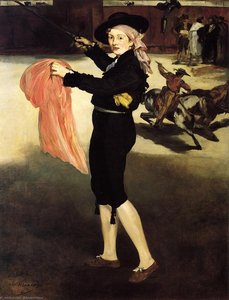
- Painting by 'Edouard Manet' | Edouard Manet: Lola de Valence (123 x 92 cm, Musée d’Orsay (Paris, France), Realism, Oil On Canvas)
Otázky a odpovědi
O jaký typ uměleckého díla se jedná u „Young Woman Reclining“ od Édouard Manet?
„Young Woman Reclining“ je dílo typu Obrazová tvorba na stěnu.
Jak mohu získat digitální kopii díla „Young Woman Reclining“ od Édouard Manet?
„Young Woman Reclining“ je k dispozici jako stažení digitálního obrazu ve vysokém rozlišení, zakoupit jej můžete přímo na stránce Digitální snímek.
Kde si mohu koupit print díla „Young Woman Reclining“ od Édouard Manet?
Tisk díla „Young Woman Reclining“ od Édouard Manet si můžete objednat přímo na jeho stránce Kvalitní umělecký tisk: umělecký tisk na bavlněném plátně nebo archivním plátnovém papíře.
 Náhled v interiéru
 Sdílet
 Sdílet
 Podrobnosti o díle
 Průvodce

 Stáhnout
 Podobné položky
 Rentgenové snímky
 Slideshow
 Otázky a odpovědi
 Statistiky