Přepnout na tisk
 Zobrazit více







































 U děl nebo reprodukcí, u nichž je jakákoliv strana větší než 105 cm (přibližně 41 palců), bude rám dodán jako sestava v rozloženém stavu. Tato metoda zajišťuje bezpečné doručení a chrání dílo před poškozením během přepravy.


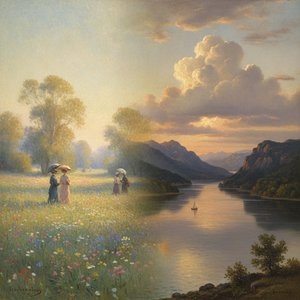
A Moment Frozen in Sunlight: Manet’s *The Seine at Argenteuil*
Édouard Manet's *The Seine at Argenteuil*, painted in 1874, isn’t merely a depiction of a riverside scene; it’s a shimmering distillation of Impressionism’s nascent spirit. More than just capturing a picturesque day by the river, Manet offers us a fleeting moment – a snapshot of leisure and modernity that vibrates with an almost palpable energy. The painting resides within the Courtauld Institute Galleries in London, a testament to its enduring significance within the art world, yet it feels remarkably immediate, as if we’ve stumbled upon this very scene, bathed in the warm glow of a summer afternoon.
The composition is deceptively simple, yet profoundly effective. A series of boats – barges, cutters, and smaller craft – glide across the Seine, their reflections dancing on the water's surface. These aren’t idealized vessels; they are functional, everyday objects, reflecting the burgeoning interest in outdoor recreation that defined a changing Paris. Nine figures populate the scene: families picnicking on the bank, individuals enjoying a boat ride, and even a dog playfully bounding along the shore. Manet masterfully avoids detailed portraits, instead presenting these subjects as fragments of experience, inviting us to complete the narrative with our own imaginations. The arrangement isn’t rigidly formal; it possesses an organic quality, mirroring the natural flow of the river and the casual interactions of its inhabitants.
The Language of Light and Color – An Impressionist Breakthrough
Manet's revolutionary approach to painting lies in his deliberate rejection of academic conventions. He abandoned the meticulous blending and smooth surfaces favored by earlier generations, opting instead for a technique characterized by broken brushstrokes and a vibrant palette. Notice how he captures the shimmering effect of sunlight on the water – not with precise detail, but through a rapid succession of short, dabs of color. This is quintessential Impressionism: an attempt to record the *impression* of light and atmosphere rather than a photographic representation of reality. The use of complementary colors—the blues and oranges—intensifies the visual impact, creating a sense of heightened luminosity. He studied the techniques of artists like Caravaggio and Velázquez, not to emulate them directly, but to understand how they manipulated light and shadow to create depth and drama – principles he then adapted to his own unique style.
The painting’s color palette is remarkably bright and airy, dominated by yellows, blues, and greens. These hues evoke the warmth of the sun and the freshness of the water, creating a sense of optimism and vitality. Manet's brushwork is loose and expressive, contributing to the overall feeling of spontaneity and immediacy. He wasn’t interested in rendering every detail with painstaking accuracy; instead, he focused on capturing the essence of the scene – its light, color, and atmosphere.
A Window into 19th-Century Parisian Life
*The Seine at Argenteuil* offers a fascinating glimpse into the social and cultural landscape of late 19th-century Paris. The presence of these leisurely activities—picnicking by the river, boating excursions—reflects the growing leisure time enjoyed by the middle class as industrialization brought about economic prosperity. It’s a scene of burgeoning modernity, capturing a moment before the rapid transformations of the 20th century fundamentally altered Parisian life. Manet wasn't simply painting a pretty picture; he was documenting a shift in values – a move away from formality and tradition towards a greater appreciation for pleasure and nature.
Furthermore, the painting’s subject matter—a commonplace scene of everyday life—represented a significant departure from the traditional themes favored by academic painters. Manet's decision to depict ordinary people engaged in ordinary activities challenged established artistic conventions and paved the way for future generations of artists who sought to capture the realities of modern urban life. It is a pivotal work, signaling the move away from historical or mythological subjects towards a focus on contemporary experience.
Bringing *The Seine at Argenteuil* Home – A Reproduction Worth Cherishing
A hand-painted reproduction of *The Seine at Argenteuil* offers a remarkable opportunity to bring this iconic Impressionist masterpiece into your home. OriginalUniqueArt meticulously recreates Manet’s technique, capturing the vibrancy of his brushstrokes and the luminosity of his colors. Each detail is rendered with exceptional care, ensuring that the reproduction faithfully reflects the original painting's emotional impact. Whether adorning a living room wall or gracing an entryway, this artwork will serve as a constant reminder of Manet’s artistic genius and the enduring beauty of Impressionism. Explore high-quality reproductions at OriginalUniqueArt.com and discover how you can own a piece of art history.
Otázky a odpovědi
Využívá „The Seine at Argenteuil“ od Édouard Manet výrazné kontrasty, nebo jemné harmonie?
V díle "The Seine at Argenteuil" se Vyvážený kontrast snoubí s Nesourodá paleta barev harmonií.
V jakém roce a v rámci kterého uměleckého směru bylo dílo "The Seine at Argenteuil" vytvořeno?
Dílo „The Seine at Argenteuil“ od Édouard Manet pochází z roku 1874 a patří k období Impressionist Painting.
Jaká technika byla u díla "The Seine at Argenteuil" použita a v jakém roce vzniklo?
Dílo "The Seine at Argenteuil" vzniklo v roce 1874 za použití techniky Olej na plátně.
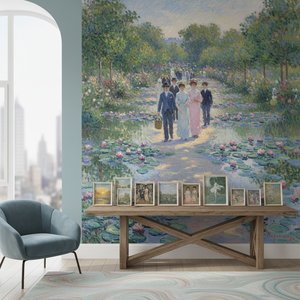
 Náhled v interiéru
 Sdílet
 Sdílet
 Podrobnosti o díle
 Průvodce

 Stáhnout
 Podobné položky
 Rentgenové snímky
 Slideshow
 Q&A
Q&A Statistiky